 Some of the Police Officers at the training session
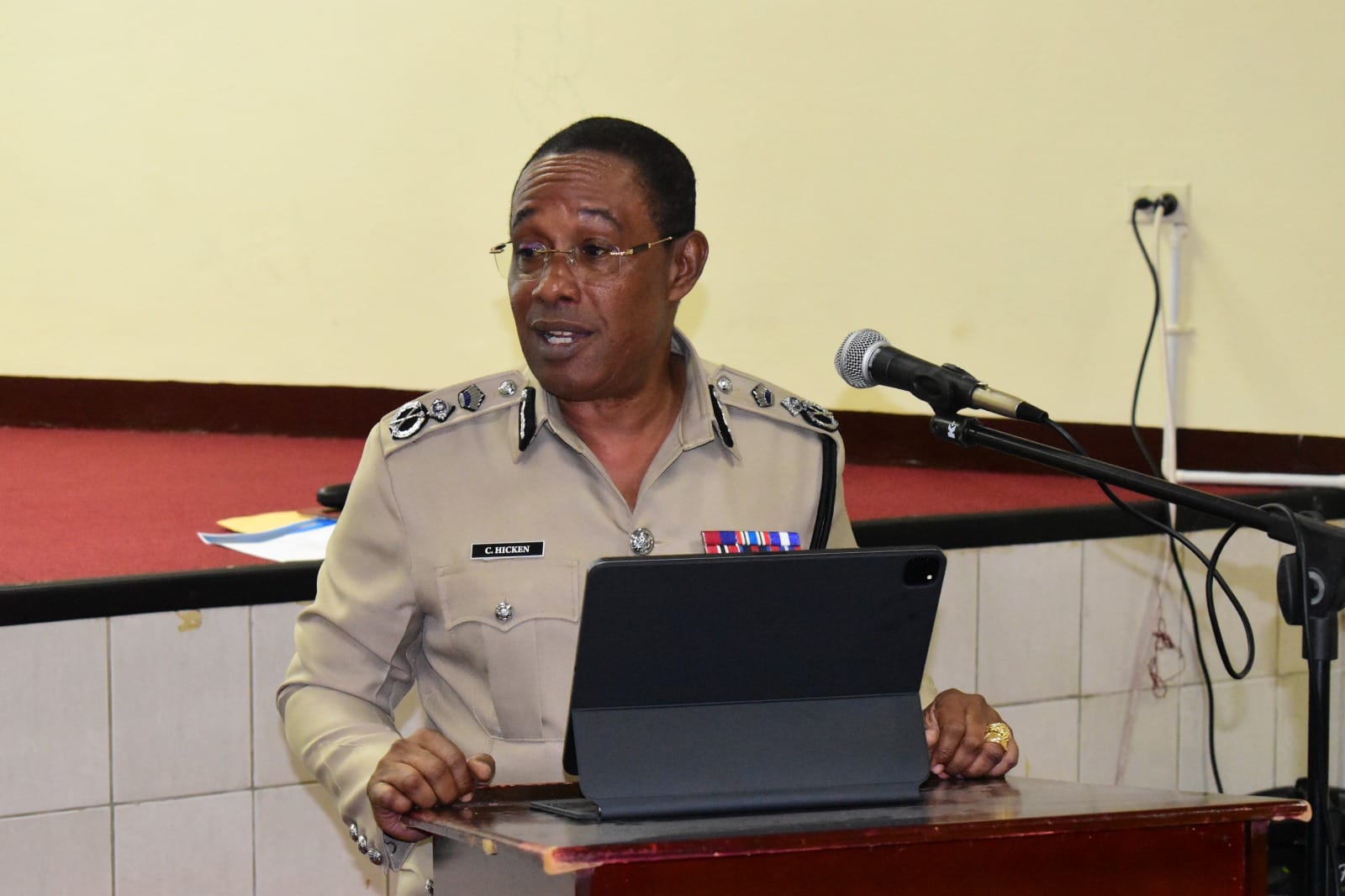
He said the Police Force has implemented several restorative justice practices aimed at providing support to defendants.
These include community intervention to identify the root cause of criminal behaviour, especially among youths and collaboration with the Guyana Prison Service and other agencies to reduce the number of vulnerable persons in custody serving short sentences for non-violent crimes.
Additionally, Hicken said the Police Force has also partnered with the Ministry of Legal Affairs to implement programmes aimed at diverting young adults involved in minor offences to community service and counseling sessions and the training of police officers in areas such as conflict management, stress management and community-oriented policing.
Admitting that the criminal justice system has failed a “few,” Hicken said it has also assisted many as the nation is challenged by prison overcrowding for minor offences.
“Today, justice is dimensional…The system has proven effective. In fact, members of the public are satisfied with the current justice system which aids to reshape offenders and counselling complainants.”
According to Hicken, crime among youths has been increasing due to more youths being placed before the penal system.
“As a nation, we must adapt an alternative approach that addresses the dehumanization frequently experienced by people in our criminal justice system as we must focus on healing and accountability…We must find an approach that requires more engagement through stakeholders’ integration and must implement alternative punishment and imprisonment,” the acting Top Cop noted.
In terms of victims, restorative justice offers a safe space to be seen and heard and has answered the difficult questions relating to the victimization provided.
As for perpetrators, Hicken said restorative justice can be used to facilitate the smooth reintegration back into society as it provides an opportunity for them to understand the consequences of their actions and for them to be able to make amends with victims as well as the wider community.
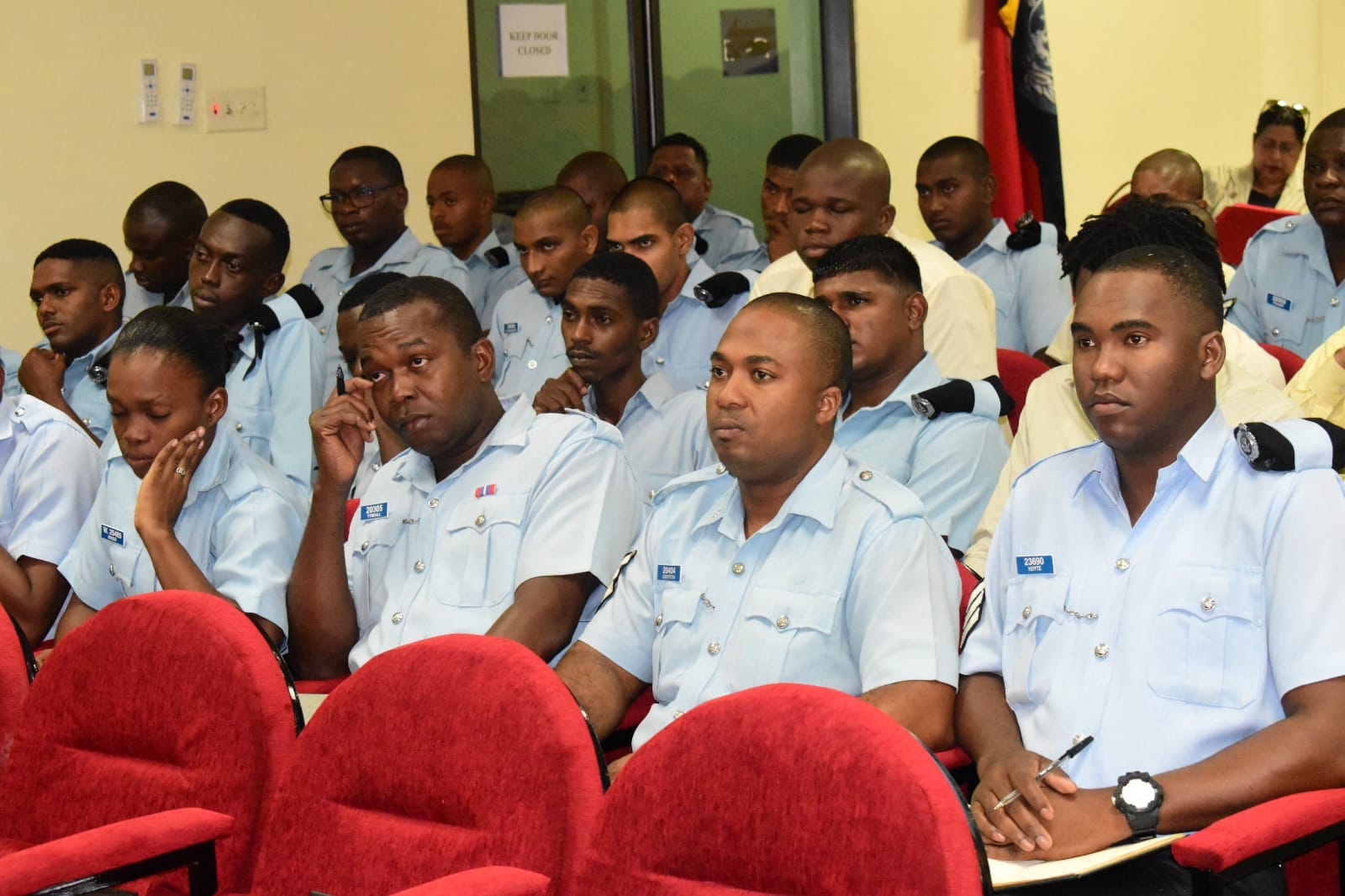 Some of the Police Officers at the training session
Comments