Portia Simpson-Miller Turns 80: The Remarkable Legacy of Jamaica’s First Female Prime Minister
The Honourable Portia Simpson-Miller, Jamaica’s first female Prime Minister, turns 80, a remarkable milestone in its own right, made even…
The Honourable Portia Simpson-Miller, Jamaica’s first female Prime Minister, turns 80, a remarkable milestone in its own right, made even more significant by the fact that more than half of her life has been spent in public service. As a Black woman who entered politics at a time when public life was dominated by men of privilege, Simpson-Miller defied class prejudice, gender barriers and entrenched expectations to become one of the nation’s longest-serving political representatives.
Her expansive and trailblazing career is marked by a series of defining moments that reshaped major national programmes, strengthened social protection systems and consistently championed the interests of ordinary Jamaicans who saw in her a leader cut from their own cloth.
In honour of her 80th birthday, we revisit some remarkable facts about a distinguished stateswoman who has devoted more than half her life to service, remained deeply connected to her roots, and whose impact continues to shape Jamaica today.
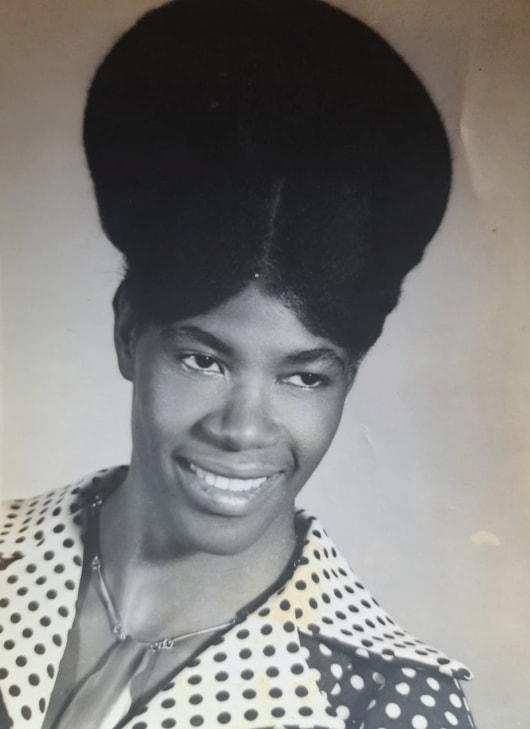
The Girl from Wood Hall
Born Portia Lucretia Simpson in the small rural district of Wood Hall, St. Catherine, on December 12, 1945, she grew up in a community where neighbours relied on one another and collective support was part of daily life. Her political journey began when local elders took her by the hand, walked her from yard to yard and introduced her as “our daughter” who deserved their vote.
She went on to win the strongest local government division in the parish, a victory grounded not in party machinery but in the trust and confidence of the people who had known her since childhood. That rural endorsement shaped her approach to public service for the next 40 years.
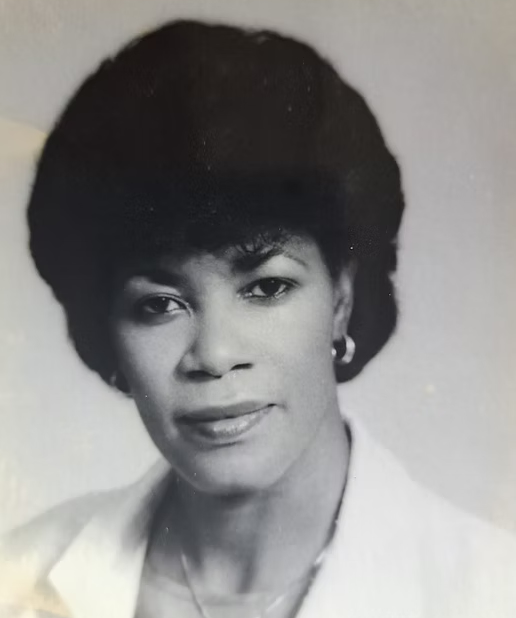
Named after Shakespeare’s Portia
Her father, Zedekiah Simpson, admired the intelligence and conviction of Portia in The Merchant of Venice and declared that one of his daughters would carry the name and enter the legal profession. Although she chose a different path, Simpson Miller often reflected that she “became more than a lawyer”, pointing to her historic role as the first woman to lead Jamaica.
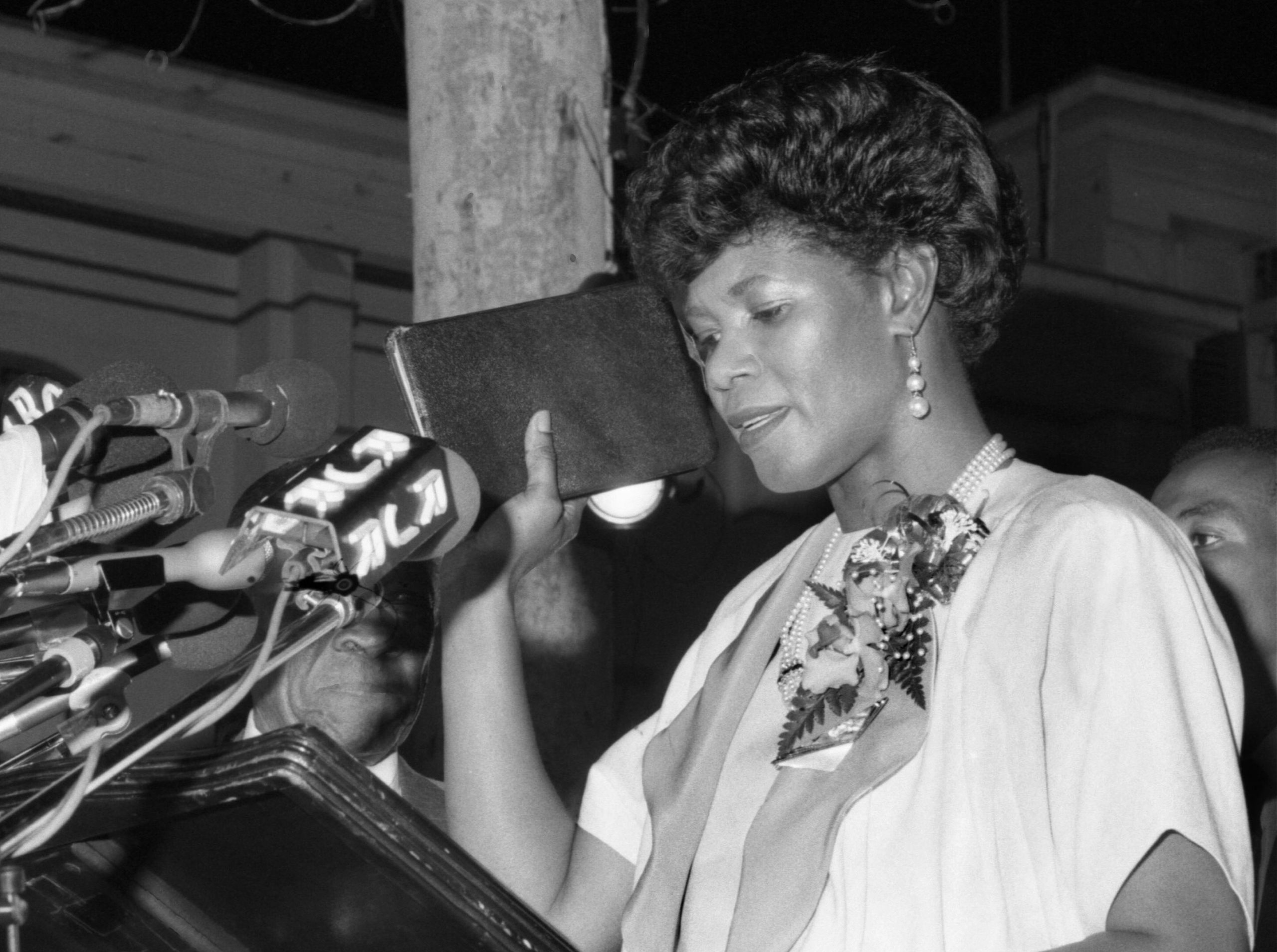
Classist & Genderist Attacks
Throughout her rise, Simpson Miller was confronted by criticism shaped by class, colour and gender. However, behind the headlines, she steadily built her academic qualifications. She studied at night at the Jamaica Commercial Institute, earned Pitman shorthand certification, completed professional training at the Institute of Management and Production and later earned a Bachelor’s degree in Public Administration through an intensive programme that required weekly flights overseas while serving as a minister
She went on to complete a Certificate in Advanced Management at the University of California, Berkeley, and became the first graduate of the Union Institute & University to receive its Honorary Doctor of Humane Letters. Her journey reflects the determination of a working-class Jamaican woman who refused to be limited by the expectations of others.
Broke Political Barriers
Simpson-Miller’s elevation to Jamaica House in 2006 followed decades of precedent-setting leadership. She first entered national politics in 1976, when she was elected Member of Parliament for St. Andrew South Western, a seat she would hold for more than four decades.
Between the late 1980s and early 2000s, she became the first woman in Jamaican history to serve in several key ministerial roles, including Minister of Labour and Social Security, Minister of Tourism, Minister with responsibility for Sport, and Minister of Local Government and Community Development. These appointments placed her at the centre of labour reform, social protection, tourism planning, sports development and local government reform long before she assumed the country’s highest office.
Within the People’s National Party, her leadership also came early. She was elected Vice-President of the PNP in 1978 and later served as President of the PNP Women’s Movement from 1983, helping to prepare and mentor women for political leadership decades before her own rise to national prominence.
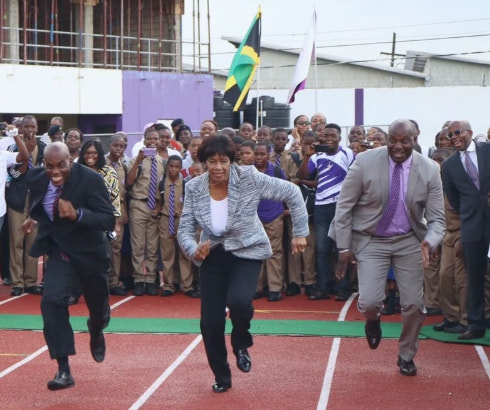
Shaped National Systems
The leadership roles Simpson-Miller assumed from the late 1980s through the early 2000s were not symbolic appointments. They became platforms for substantive, long-term reform across labour, social protection, tourism, sport and local government.
- As Minister of Labour and Social Security, she helped modernise the National Insurance Scheme, strengthening benefits and contributing to the growth of the National Insurance Fund for pensioners. During this period, she also expanded the Overseas Work Programme, transforming it into a reliable source of income for rural households and seasonal workers.
- As Minister with responsibility for Sport she was responsible for the establishment of the Sports Development Foundation and the advancement of major sporting infrastructure, including the indoor sports facility at the National Stadium and the G.C. Foster College track.
- As Minister of Tourism, Simpson-Miller played a leading role in developing Jamaica’s Master Plan for Sustainable Tourism Development, a policy framework that guided sector growth well beyond her time in office.
- As Minister of Local Government and Community Development, she advanced a decentralisation agenda that brought decision-making closer to communities, including overseeing changes that led to the creation of the Municipality of Portmore. In recognition of this contribution, she was awarded the Key to the Municipality during Portmore’s 10th anniversary celebrations in 2013.
Taken together, these reforms underscore a pattern of leadership rooted in institution-building and social equity.
One of the longest-serving political representatives
By the time Simpson-Miller stepped down in 2017, she had served approximately 40 years as Member of Parliament for St Andrew South Western. No other sitting MP at the time had served as long. Her tenure was marked by visibility in her constituency, frequent home visits and a personal style of representation rooted in accessibility and connection.
Global Recognition & Strong Alliances
Simpson Miller’s leadership attracted significant international attention. In 2012, Time magazine named her one of the “100 Most Influential People in the World”, recognising her commitment to inclusion, equality and democratic principles.
She developed respected relationships across the Caribbean, the Commonwealth and the Americas. Her international roles included membership in the Council of Women World Leaders, service on the Board of Trustees of the United Nations Institute for Training and Research (UNITAR), and leadership positions within the OAS High-Level Network on Decentralisation and the Caribbean Forum of Ministers.
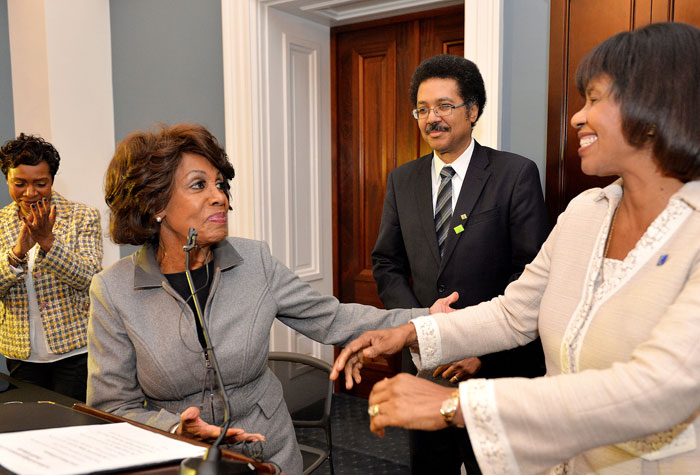
She also forged a close working relationship with the United States Congressional Black Caucus, which publicly supported Jamaica during its IMF negotiations and praised her commitment to protecting vulnerable groups during a difficult period of economic reform. In 2019, she was presented with a United States Congressional Proclamation by Congresswoman Yvette D. Clarke of New York’s Ninth Congressional District, recognising her service and contribution to community development and humanitarian causes.
A Career Devoted to Social Justice
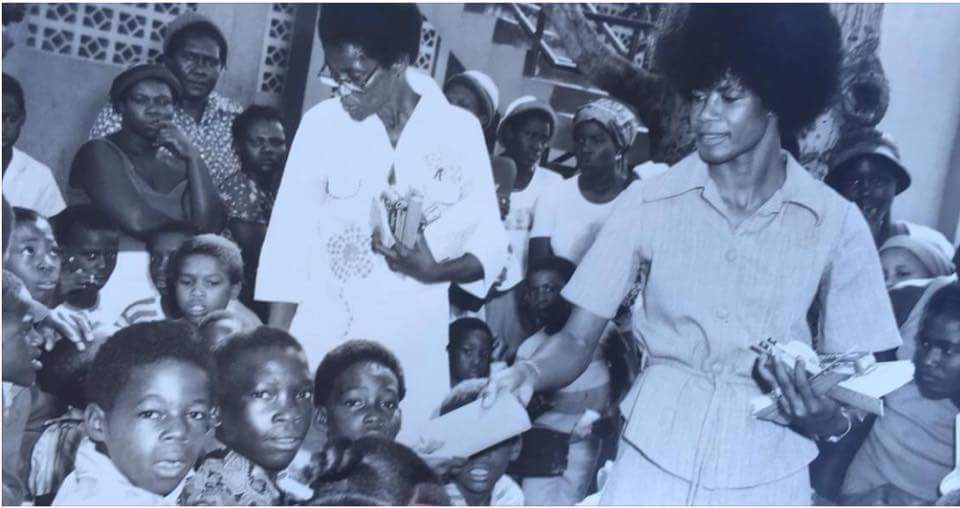
From her earliest years in public life, Simpson-Miller emphasised the importance of social protection and equal opportunity. She championed workers’ rights, personally funded education for students, advanced employment programmes for women and youth and consistently prioritised the needs of the poor, the elderly and young people.
Her leadership was grounded in the belief that national progress should be measured by the wellbeing of ordinary citizens — a conviction shaped by her rural upbringing and lifelong connection to community.
People First Leadership
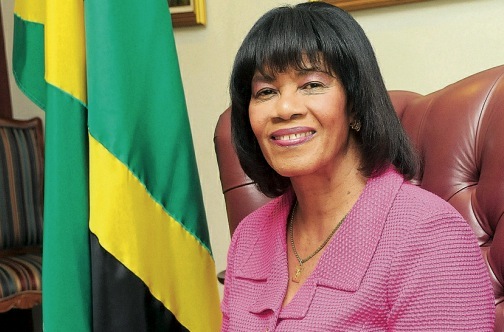
As Portia Simpson Miller turns 80, her legacy stands as a testament to the power of resilience, humility and service. From the hills of Wood Hall to the highest office in the nation, she carved out space for Black working-class women in political leadership and helped modernise key social systems that continue to support Jamaicans today.
Her journey serves as both aspiration and inspiration for generations of leaders, particularly women, underscoring the value of transformative change, the importance of staying grounded in one’s roots, and the principle that public service, at its best, must never drift far from the people it serves.