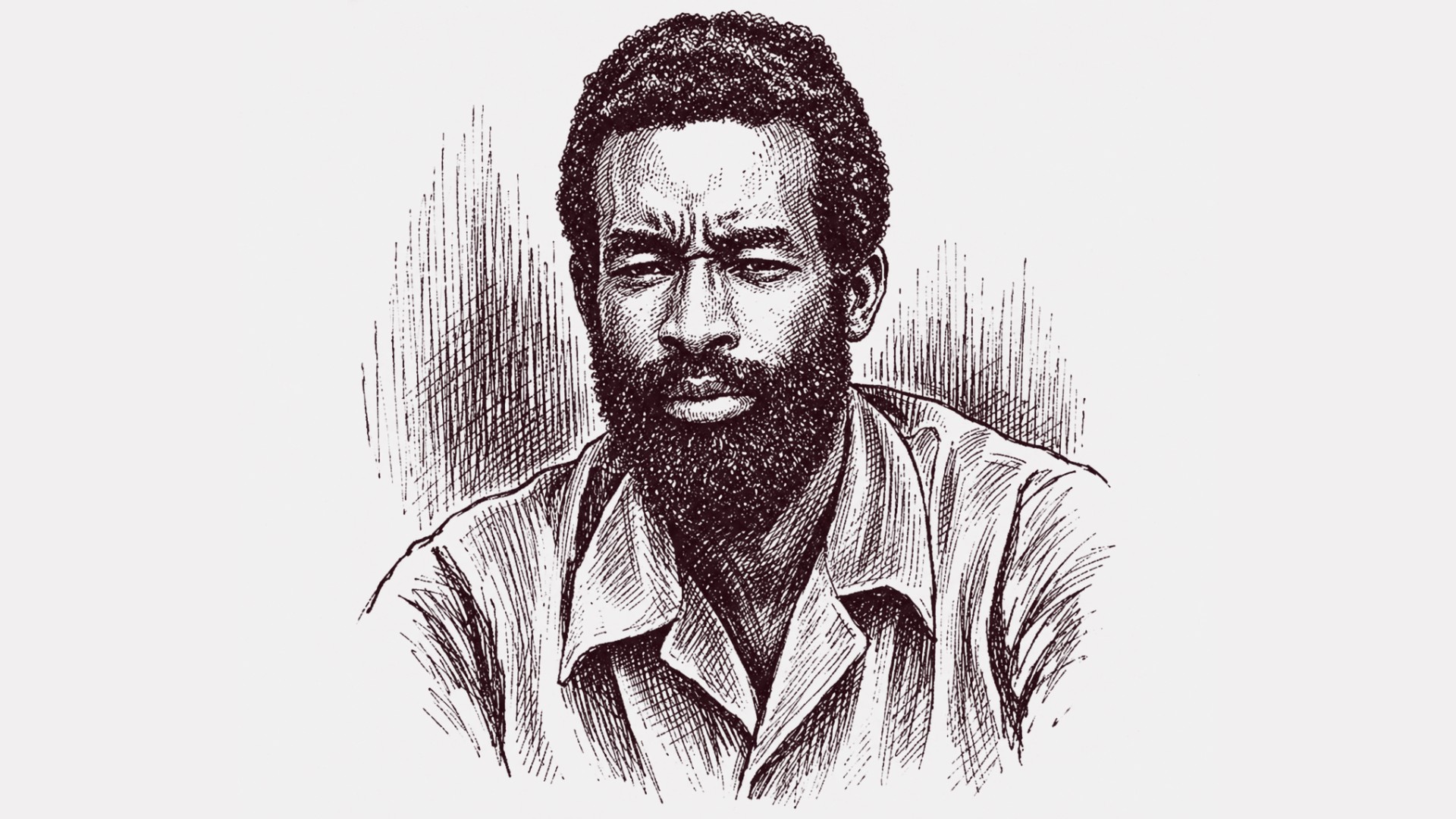
On May 7, 1942, one of the most influential voices in Jamaican music history was born in Steer Town. Though his name may not be as globally recognised as some of the artists he inspired, Justin Hinds helped lay the foundation for ska, rocksteady, and reggae music as we know it today.
Best known as the leader of Justin Hinds & The Dominoes, Hinds possessed a voice that was powerful yet soothing, spiritual yet deeply rooted in everyday Jamaican life. Through timeless songs like “Carry Go Bring Come,” “The Higher the Monkey Climbs,” and “Cornerstone,” he became one of the defining voices of Jamaica’s golden musical era.
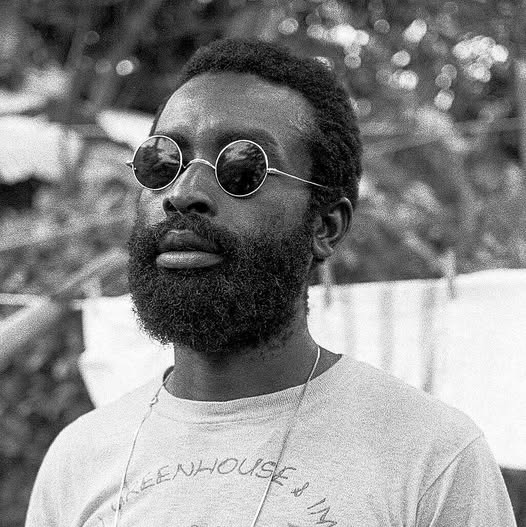
Influenced by Jamaican Folk Traditions
Justin Hinds was raised alongside his two older siblings in rural St. Ann, where he was deeply influenced by Jamaican folk traditions from an early age. Growing up in a spiritually rich environment shaped by his father, Alphonso Hinds — a preacher, healer, and revivalist — he was surrounded by Revivalist practices, church singing, and Rastafarian drumming. Those early experiences would later become central to the sound, spirituality, and storytelling woven throughout his music.
In a 2012 article for Tallawah.com, writer Bryan Keyo referenced a 1996 interview he conducted with Justin Hinds, in which the singer reflected on the deeply spiritual roots of his musical journey, saying:
“I started singing in the church from I was just a small boy. My family was Adventist. My father and mother are spiritual people. I sang for my father’s church and for the niyabinghi from I was a youth. My father’s church was in Steer Town and it was a Revival Church. Therefore my music is a spiritual communication. Baptism for de soul.”
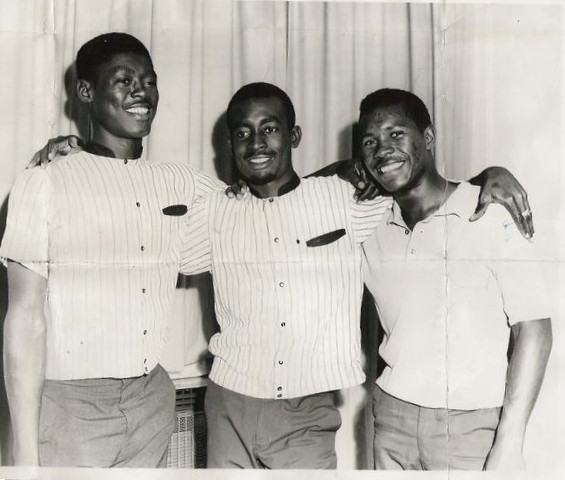
and Egerton “Junior” Dixon. Image source: Discogs.com
The Dominoes Era
Before music became a full-time pursuit, Justin Hinds worked in Jamaica’s growing tourism industry, teaching scuba diving, working in watersports, and entertaining tourists in bars and on the beaches in Ocho Rios. It was during this period that he found his footing as a vocalist alongside childhood friends Dennis Sinclair and Egerton “Junior” Dixon. Together, the trio formed Justin Hinds & The Dominoes in the early 1960s, emerging from rural Jamaica before eventually making their way to Kingston, the island’s musical hub, at a time when the local music scene was rapidly evolving.
Unlike many Kingston-based vocal groups of the era, The Dominoes carried a distinctly rural sensibility in both sound and subject matter. Their harmonies were deeply influenced by church singing, Revival traditions, Nyabinghi chanting, and the spiritual atmosphere that surrounded Hinds from childhood. The group reportedly took inspiration for its name from American rhythm and blues singer Fats Domino, whose music was hugely popular in Jamaica at the time.
Their songs often blended humour, morality, Rastafarian consciousness, and everyday Jamaican experiences with rich harmonies and infectious rhythms — a style some later described as “country reggae” long before the phrase became common.
Kingston Calling
Like many aspiring singers of the era, Hinds travelled to the capital with The Dominoes hoping to impress producers and break into the music industry. According to Hinds himself, the journey almost ended before it began. Auditioning for legendary producer Duke Reid meant standing in long lines while hopeful singers were often dismissed one after another.
Everything changed after a Rastafarian gathering in Back-O-Wall, the area now known as Tivoli Gardens. There, Hinds sang Nyabinghi-inspired chants that caught the attention of someone connected to Reid’s Treasure Isle label. Soon after, Hinds and The Dominoes were summoned to the studio.
That chemistry would become central to the success of Justin Hinds throughout the 1960s, helping establish him as one of the foundational vocal groups in Jamaican music history.
“Carry Go Bring Come” and the Birth of a Movement
In 1962, the same year Jamaica gained Independence, Justin Hinds and The Dominoes recorded their biggest hit, “Carry Go Bring Come.” Produced by Duke Reid and backed by members of The Skatalites, the song became an instant success and remains one of the defining recordings of the ska era.
Remarkably, Hinds later recalled that the track was recorded in a single take.
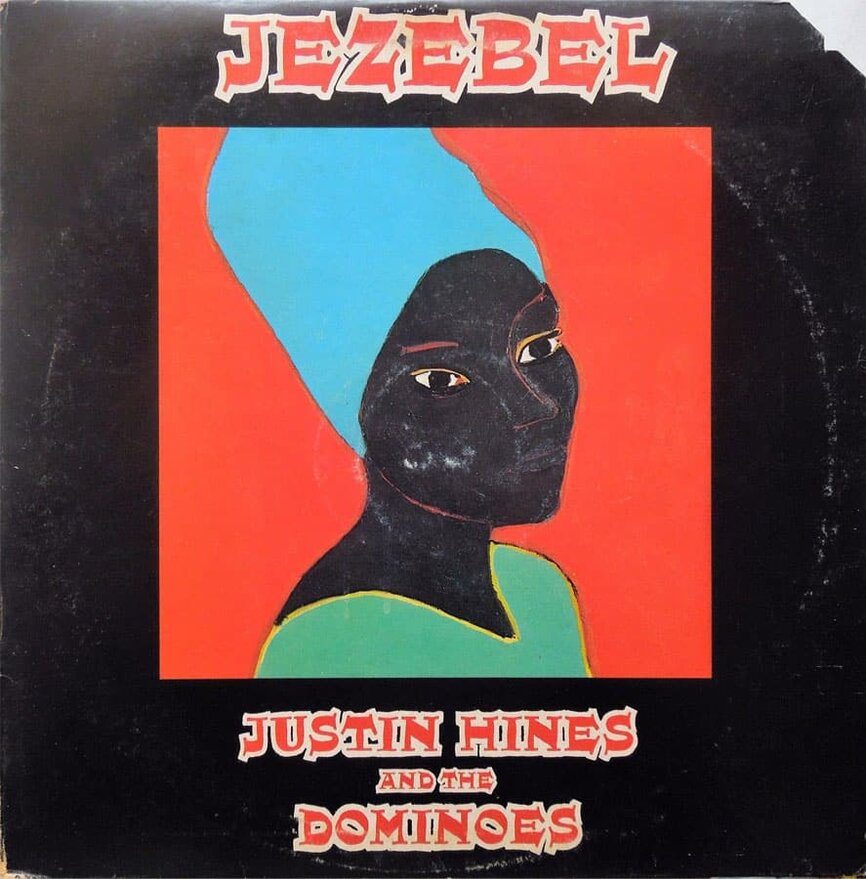
The success of “Carry Go Bring Come” propelled Hinds to the forefront of Jamaican music during the 1960s. Over the following years, he built an impressive catalogue of hits including “King Samuel” and “Jump Out of the Frying Pan.”
As Jamaica’s musical landscape evolved, Hinds successfully transitioned from ska into the slower, more soulful rocksteady sound that emerged in the mid-1960s and later helped pave the way for reggae. Songs such as “The Higher the Monkey Climbs,” “No Good Rudie,” “On a Saturday Night,” “Here I Stand,” and “Save a Bread” further cemented his reputation as one of the island’s most important musical voices.
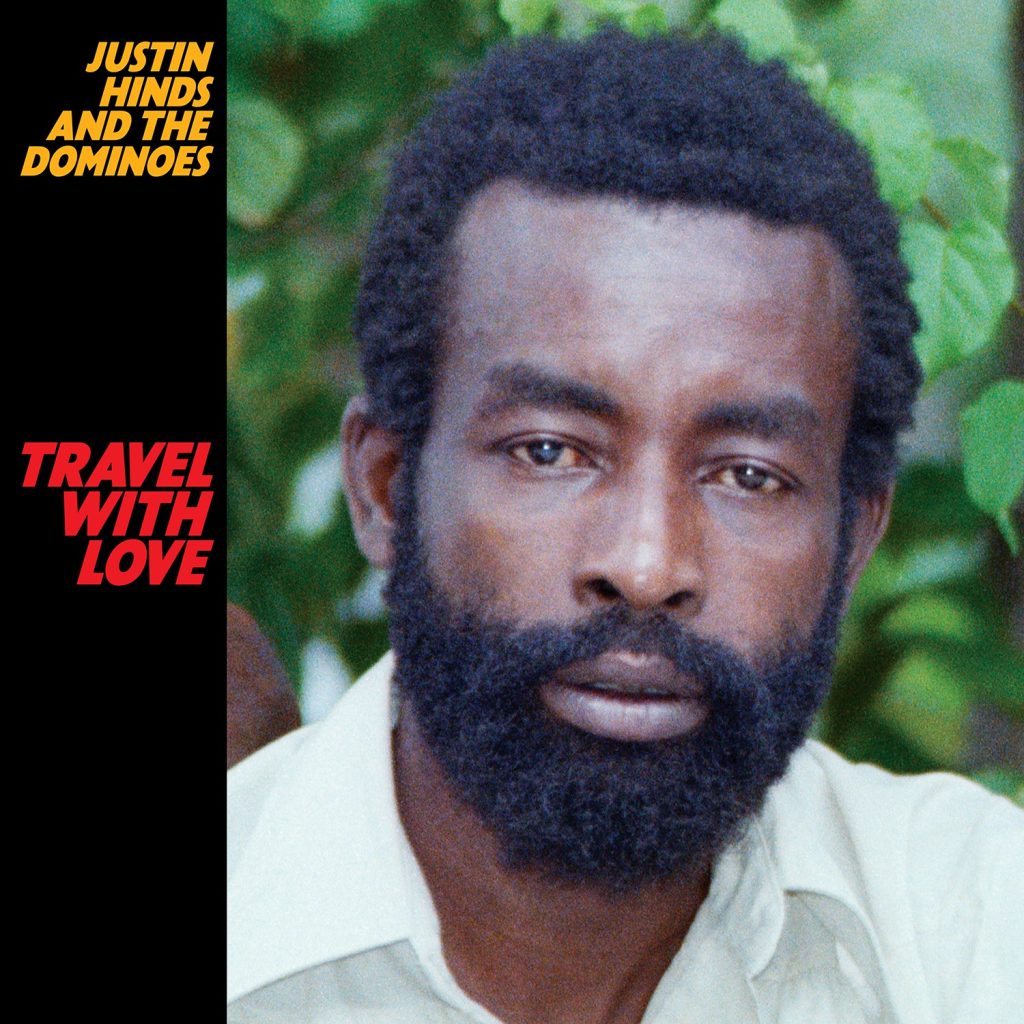
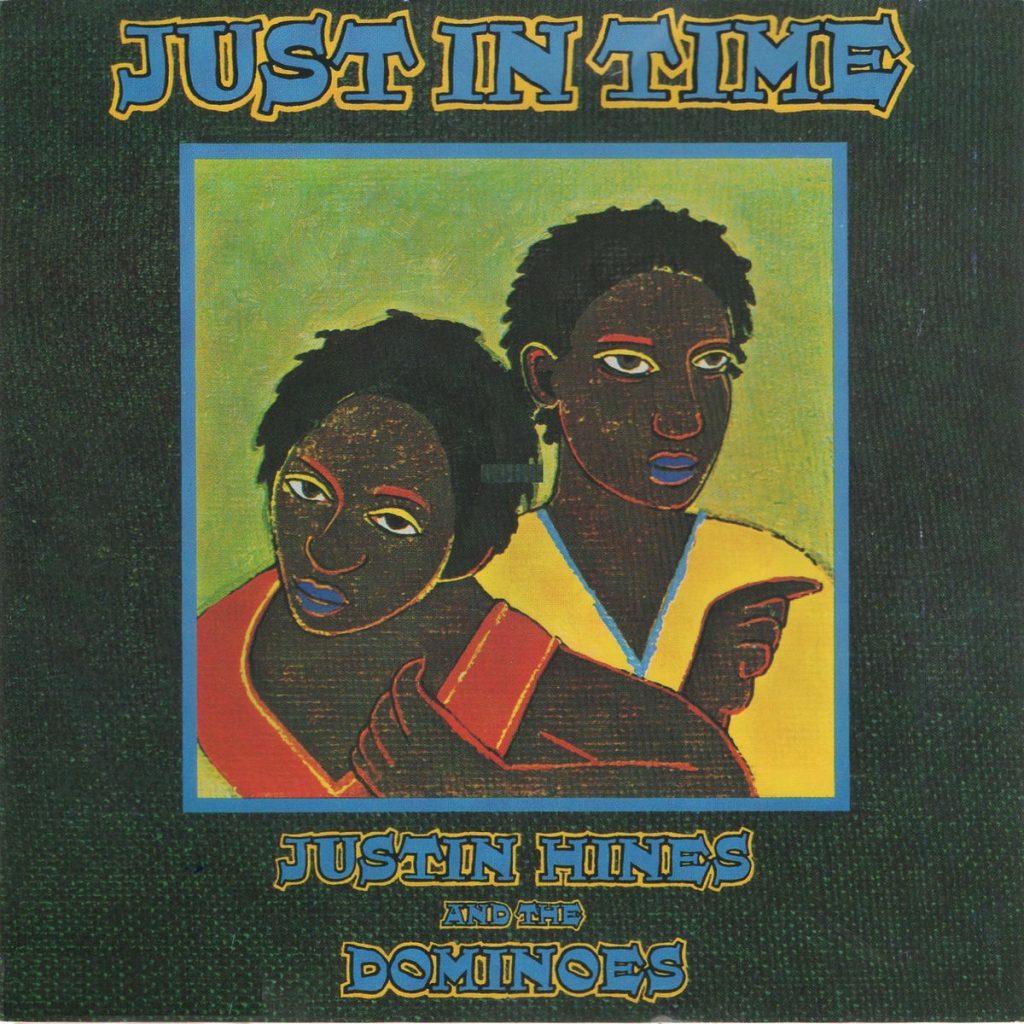
Hinds was incredibly prolific during this period, recording more than 70 singles. That body of work helped shape a distinctly Jamaican sound — upbeat yet spiritual, danceable yet deeply meaningful. His music captured the optimism, humour, creativity, and cultural confidence of a newly independent nation finding its voice on the world stage.
A Lasting Legacy Beyond the Ska Era
Though his biggest hits came during the 1960s, Justin Hinds experienced a major resurgence decades later during the international ska revival movement of the 1980s and 1990s. Audiences across Europe, Japan, and the United States rediscovered the pioneers of Jamaican music, and Hinds quickly became a beloved figure on the global touring circuit.
Performing alongside family members and veteran musicians, he continued carrying Jamaica’s musical traditions to audiences around the world. Fans were often amazed that, despite the passing years, his voice still sounded strikingly similar to the recordings he made as a teenager during ska’s golden age.
When Hinds passed away in 2005, Jamaica lost one of the true architects of its musical identity. Long before reggae conquered the world, he had already helped create the blueprint, blending Jamaican folk traditions, Rastafarian spirituality, ska rhythms, and the emerging sounds of rocksteady and reggae into something uniquely Jamaican.
Today, his influence remains deeply woven into the DNA of Jamaican music. While newer generations may not always immediately recognise his name, they have almost certainly felt his impact through ska, reggae, punk, and the countless artists influenced by the foundation he helped build.
Fast Facts About Justin Hinds
Beyond being one of the defining voices of ska and rocksteady, Justin Hinds left behind a legacy deeply woven into the fabric of Jamaican music history. Here are a few quick facts about the legendary singer and bandleader:
- His music proved so influential that songs like “Cornerstone” were later covered by Bob Marley, while other recordings were interpreted by artists including Desmond Dekker.
- Horace Andy is his cousin, making the Hinds family one of the most influential musical lineages in Jamaican music.
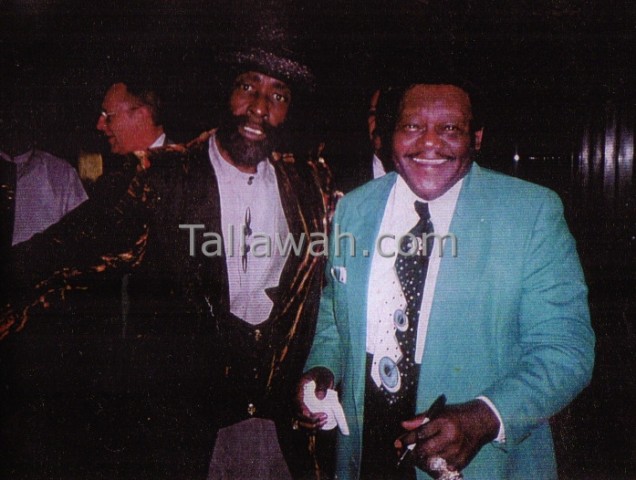
- The name Justin Hinds & The Dominoes was reportedly inspired by American rhythm and blues icon Fats Domino.
- Hinds became one of the most popular and prolific artists on Duke Reid’s legendary Treasure Isle label during the 1960s.
- He worked alongside members of The Skatalites, including legendary musicians Tommy McCook and Don Drummond.