The Story Of Shashemene — Ethiopia’s “Little Jamaica”
For decades, a small town in southern Ethiopia has quietly become one of the most unique Jamaican communities outside the Caribbean. Known to many as “Little Jamaica,” the Rastafari settlement in Shashemene represents a remarkable story of repatriation, identity, faith, and cultural exchange between Jamaica and Africa.
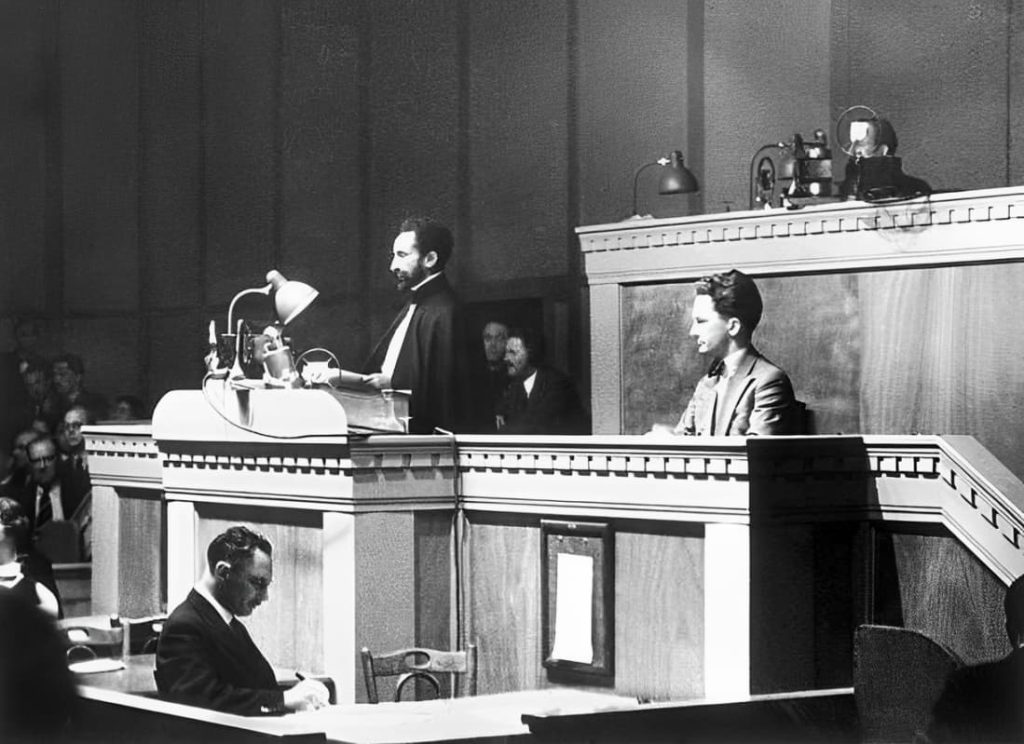
Located about 250 kilometres south of Addis Ababa, Shashemene (Shashamane or Shaashamannee) became internationally significant after Emperor Haile Selassie I granted approximately 500 acres of land in 1948 to members of the Ethiopian World Federation. The grant was intended for Black people in the diaspora who wished to return to Africa and assist Ethiopia following the country’s resistance against Italian invasion during the 1930s.
For many Rastafari in Jamaica and across the Caribbean, the land grant was seen as far more than a political gesture. It became symbolic of prophecy, liberation, and the possibility of returning to what they viewed as Zion — the spiritual homeland of Black people. By the 1960s and 1970s, Jamaicans and other Caribbean Rastafari began migrating to Shashemene in growing numbers, establishing homes, schools, farms, businesses, and religious communities.
How Jamaicans Ended Up in Ethiopia
The rise of the Rastafari movement in Jamaica during the 1930s was heavily influenced by the coronation of Haile Selassie I and the teachings of Pan-African leaders such as Marcus Garvey. Ethiopia became deeply embedded in Rastafari spirituality and political consciousness.
Many of the early settlers who travelled to Shashemene were motivated less by economics and more by repatriation ideology. Some sold possessions or relied on support from international Rastafari networks to make the journey to Ethiopia.
By the 1970s and 1980s, Shashemene had developed into a multicultural Rastafari enclave populated by Jamaicans, Trinidadians, Barbadians, Americans, and British-born Rastafari of Caribbean heritage. Despite its small size, the settlement became globally known throughout the Rastafari world.
Building “Little Jamaica”
Although situated in Ethiopia, the Jamaican influence in Shashamane became unmistakable. Jamaican Patois could be heard in the streets alongside Amharic. Reggae music blasted from businesses and homes, while Nyabinghi drumming sessions and Rastafari gatherings became regular parts of community life.
Jamaican food traditions also travelled to Ethiopia. Restaurants and small shops introduced elements of Caribbean cooking, ital food culture, and Jamaican-style social spaces. Some settlers operated craft shops, farms, guest houses, recording spaces, and cultural centres catering to both locals and visiting Rastafari pilgrims.
Reggae music became one of the strongest cultural exports. The settlement helped strengthen East Africa’s relationship with Jamaican music and Rastafari culture, contributing to reggae’s popularity across Ethiopia and neighbouring countries. Visiting musicians, researchers, tourists, and Rastafari adherents from around the world frequently passed through Shashamane, turning the town into an international cultural crossroads.
The influence worked both ways. Over time, many Jamaican settlers and their children adopted aspects of Ethiopian culture, language, and customs while still maintaining a strong Caribbean identity.
Citizenship, Land Disputes and Legal Challenges
Despite the spiritual significance of repatriation, life in Shashemene was not without difficulties. Political changes following the overthrow of Haile Selassie I in 1974 led to disputes over portions of the original land grant and created long-standing challenges surrounding citizenship and legal rights.
While many Rastafari settlers viewed themselves spiritually as Ethiopians, they remained without formal citizenship for decades, relying instead on residency arrangements and special legal status.
In 2017, the Ethiopian government announced that Rastafarians living in the country would be issued national identity cards, acknowledging generations of settlers who had effectively become stateless despite living and integrating into Ethiopian society for decades. Though the ID cards granted greater freedom to live and travel within the country, holders still cannot vote or serve in government security sectors.
Questions of identity also continue for children born in Ethiopia to Jamaican and Caribbean parents, many of whom navigate a complex balance between Ethiopian nationality, Jamaican cultural heritage, and Rastafari beliefs.
The Lasting Impact of Shashamane
Despite the struggles, the Jamaican presence in Shashemene has left a lasting mark on the region and on Rastafari history globally.
The settlement became one of the most visible examples of Pan-African repatriation in modern history. It also helped establish long-standing cultural and economic links between Jamaica, Ethiopia, and the wider African continent.
Today, Shashemene continues to attract Rastafari pilgrims, researchers, musicians, and tourists curious about the unique fusion of Jamaican and Ethiopian identity that emerged there. Businesses connected to reggae, tourism, craft production, farming, and cultural exchange continue to operate within the community.
More importantly, Shashemene remains a living symbol of a centuries-old dream shared across the African diaspora — the idea of return, reconnection, and rebuilding ties between Africa and its descendants abroad.
“Little Jamaica” in Ethiopia is more than a settlement of people who consider it a spiritual homeland. It is also a cultural experiment and one of the most fascinating chapters in the global story of Jamaican influence.
What’s it Like Being a Jamaican Living in Ethiopia?
In this episode from our series Jamaicans to the World, Xavier Murphy speaks with Jamaican musician Sydney Salmon, who shares a firsthand account of what it’s like being a Jamaican living in Ethiopia. You can find more episodes of Jamaicans to the World on our YouTube channel. Like, follow, and subscribe for more stories like this.
Comments