Miramar, Florida was once again the epicenter of all things Caribbean all courtesy of this year’s 21st installment of the tasty Grace Jamaican Jerk Food Festival. Held on Sunday November 12, 2023 during the Veterans Holiday Weekend, thousands of patrons flocked to the City’s spacious Regional Park to indulge themselves in the vibrant and aromatic jerk-style foods of Jamaica. Presented in association with the Publix supermarket chain, this marvelous annual festival in South Florida was nothing short of epic. The day-long event was a breathtaking celebration of Jamaica’s food, music, and irie vibes.
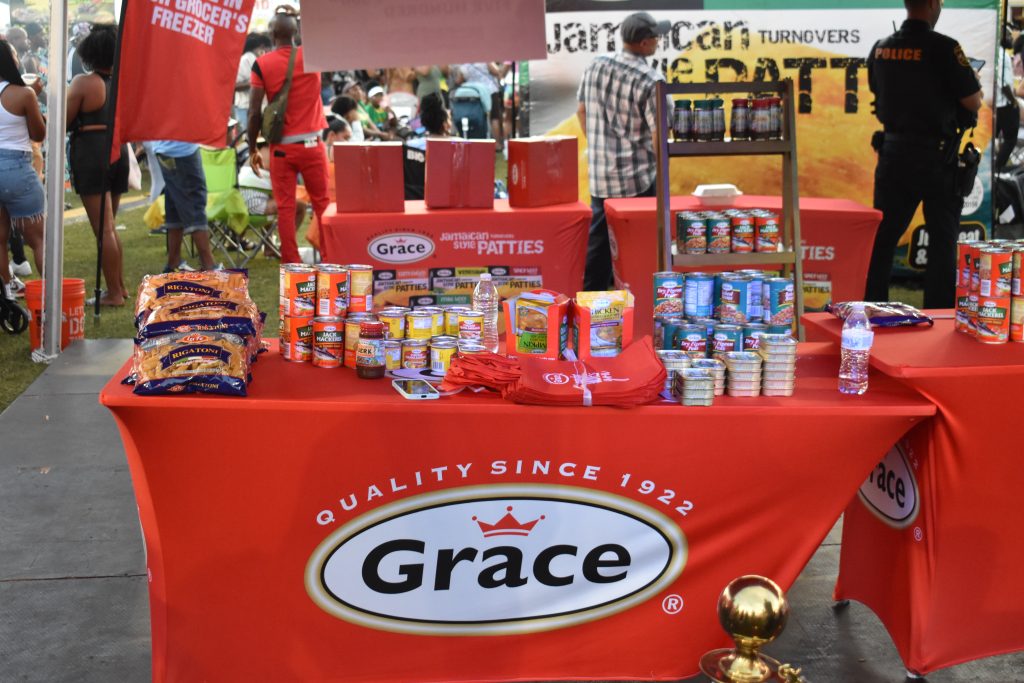
2023 Grace Jamaican Jerk Festival (Miramar, Florida)
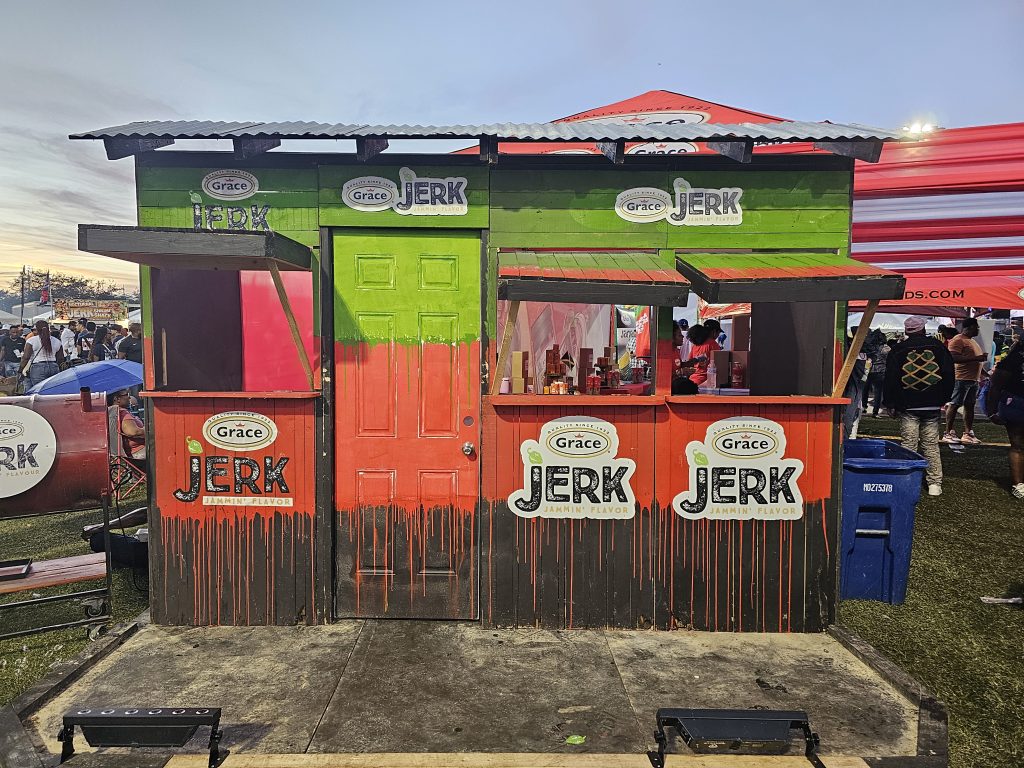
2023 Grace Jamaican Jerk Festival (Miramar, Florida)
About Jamaican Jerk Festival USA, Inc
The Jamaican Jerk Festival USA, Inc. produces jerk festivals and associated events all over the United States as well as other world markets. Miramar, Florida, and Queens, New York are the main locations for the annual jerk food festivals, attracting a wide spectrum of ethnicities.
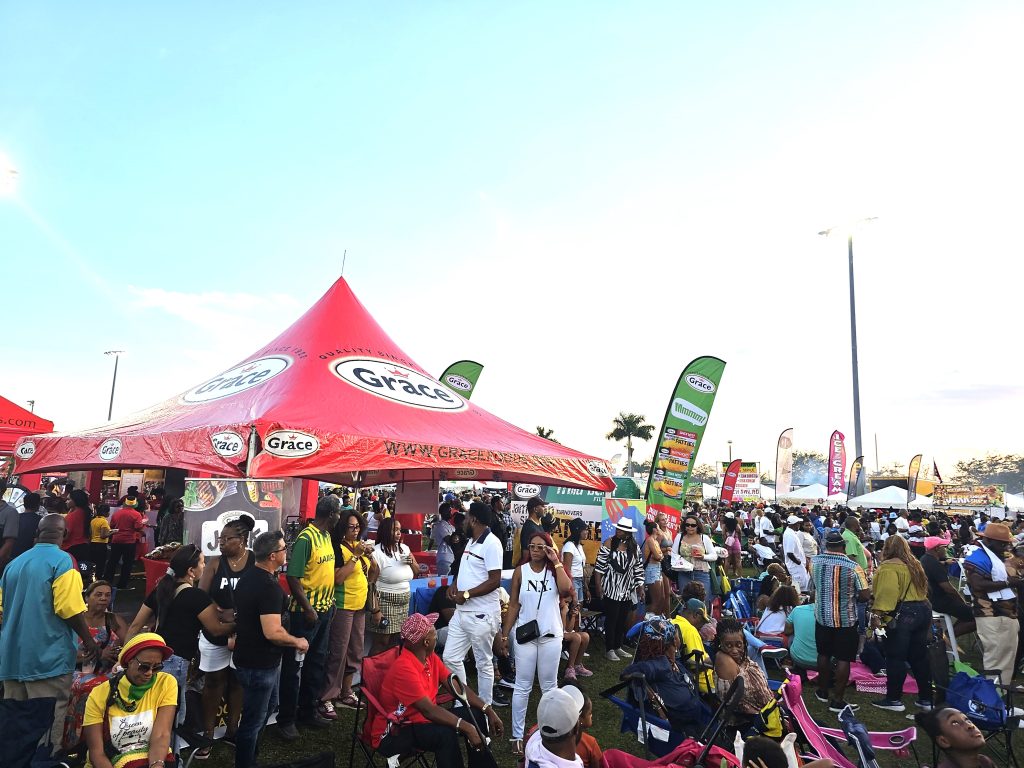
2023 Grace Jamaican Jerk Festival (Miramar, Florida)
With the Jerk Festival being such a marquis event, not surprisingly, there were a number of notable attendees in the park enjoying the lively atmosphere and festivities, including: Oliver Mair (Jamaica’s Consul General to Miami and Southern USA); Wayne Messam (Mayor of Miramar); Alexandra P. Davis (Miramar Vice Mayor); Commissioner Maxwell Chambers (City of Miramar); Yvette Colbourne (Miramar Vice Mayor); Commissioner Hazelle Rogers (Broward County); Joy Smith (City of West Park Commissioner); Tanto Irie (of ‘Reggae Runnins’ on South Florida’s Hot 105 FM radio); Xavier Murphy (Jamaicans.com Founder); Steve James (Reggaeville journalist); Jon FX (platinum-selling music producer) Kaysia Earley ( founding attorney of Earley Law Firm, PLLC and well-respected legal analyst, commentator, mentor, and motivational speaker); Copeland Forbes, (one of the most consequential figures in the history of modern Jamaican music); and last but surely not least, Eddy Edwards, CEO of Jamaican Jerk Festival USA, Inc.

Commissioner Maxwell Chambers (City of Miramar) – 2023 Grace Jamaican Jerk Festival (Miramar, Florida)
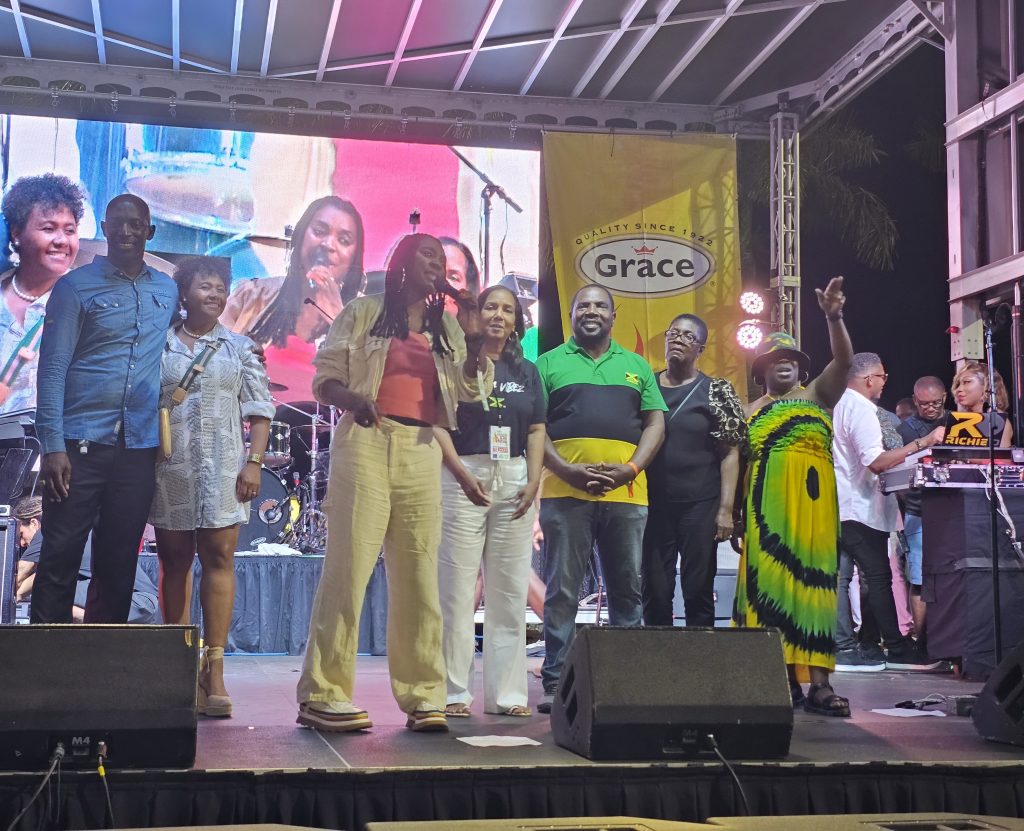
Wayne Messam (far left), Alexandra P. Davis (speaking), Yvette Colbourne (fourth from left), Maxwell Chambers (third from right), Commissioner Hazelle Rogers (second from right), Joy Smith (far right)
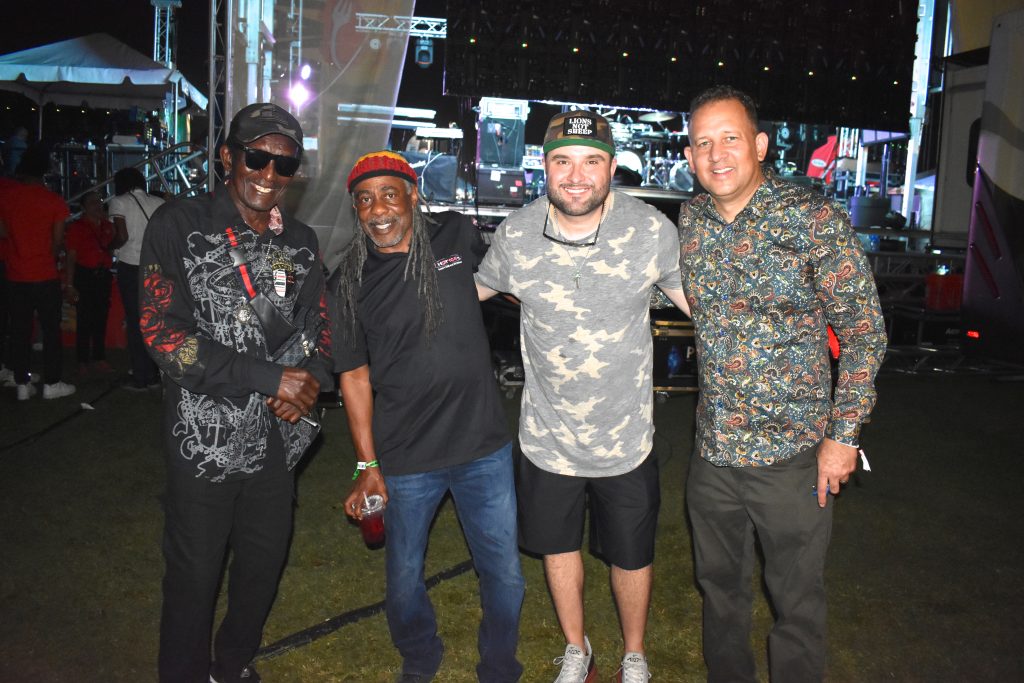
Tanto Irie (2nd from left), Consul General Oliver Mair (far right) – 2023 Grace Jamaican Jerk Festival (Miramar, Florida)
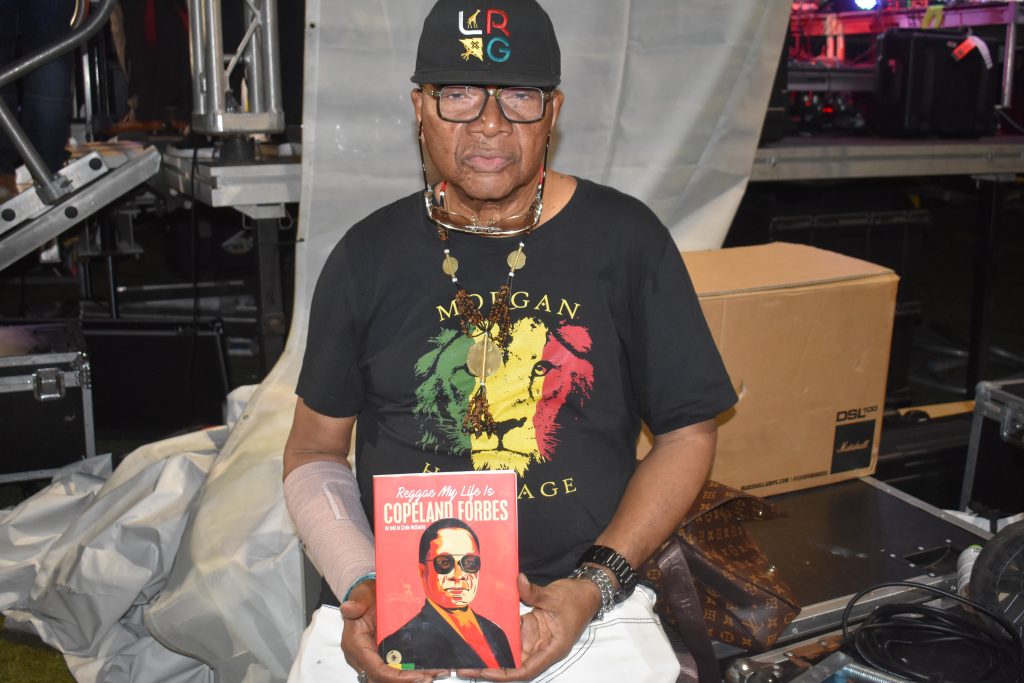
Copeland Forbes – 2023 Grace Jamaican Jerk Festival (Miramar, Florida)
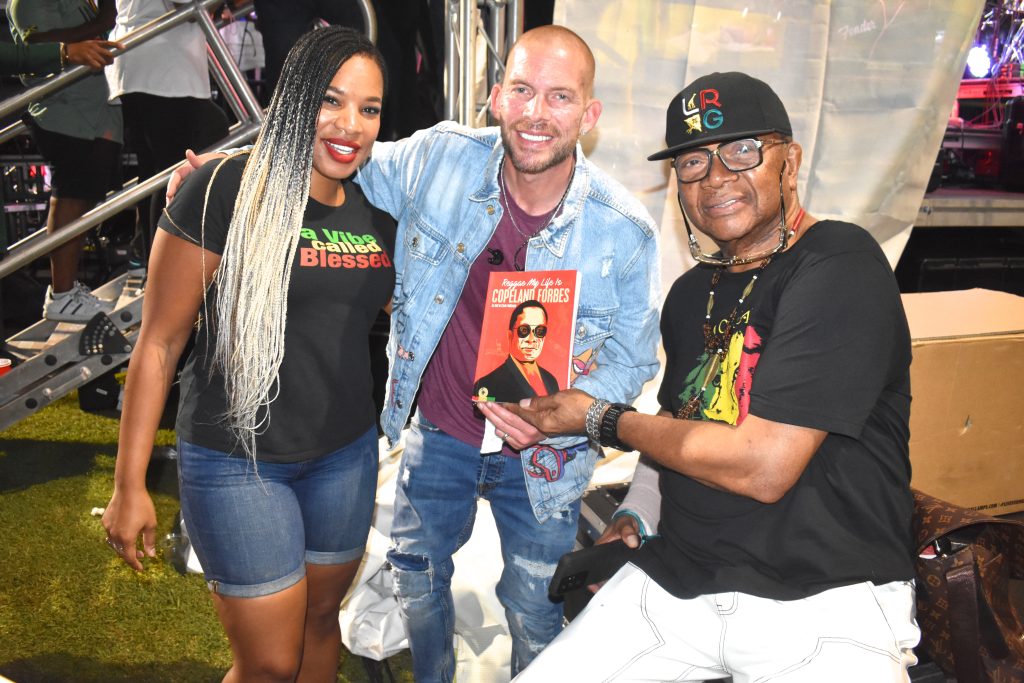
Kaysia Earley, Esq, Collie Buddz (center), Copeland Forbes – 2023 Grace Jamaican Jerk Festival (Miramar, Florida)
There were many attractions at the Regional Park, including the Culinary Pavilion that featured Celebrity Chefs, the Kids’ Zone, an ‘All-Inclusive’ VIP section, and a multitude of food, drink, and arts and craft vendors. What’s more, the evening’s happenings boasted a concert on the entertainment stage that featured outstanding performances from major acts in Jamaican reggae and dancehall.

2023 Grace Jamaican Jerk Festival (Miramar, Florida)
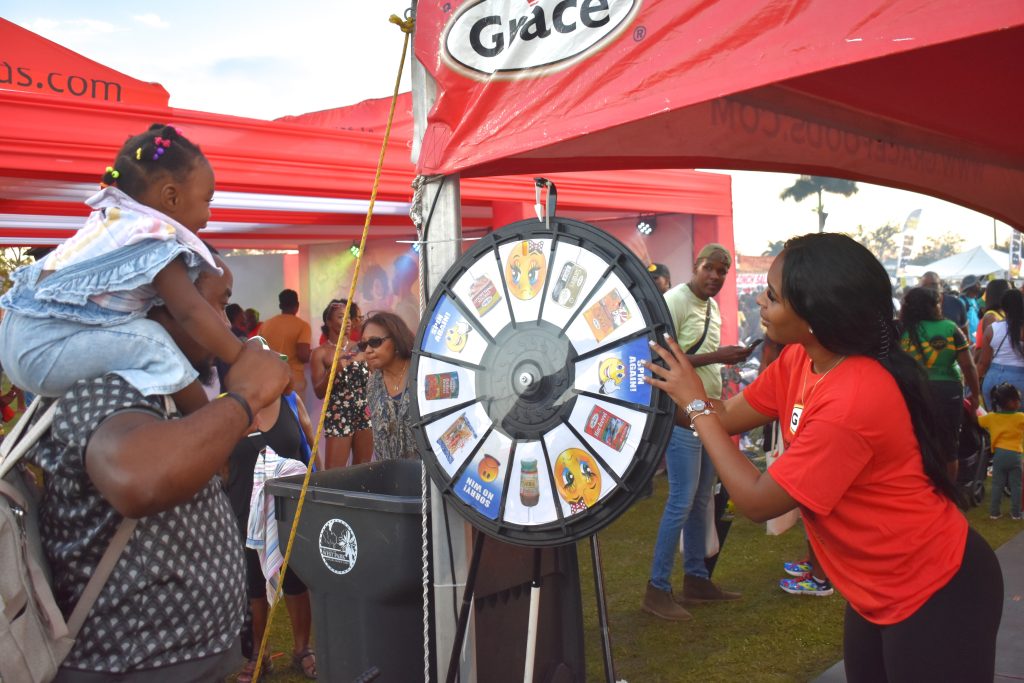
2023 Grace Jamaican Jerk Festival (Miramar, Florida)
A Plethora of Jerk Delights
Jamaica’s jerk seasoning and cooking is undoubtedly special and unique not only in the kitchen, but also where the island’s vibrant culture is concerned. In fact, jerk is like a national heirloom to Jamaica so it is befitting that the Grace Jamaican Jerk Festival is dedicated to all things jerk, especially when considering its undeniable, spicy flavor that seemingly goes well with everything—even ice cream. And so, it was certainly nice to see the Annual Grace Jamaican Jerk Festival continuing to grow and evolve while also celebrating the rich mouthwatering culinary scene in South Florida. This family-friendly and fun-filled outdoor festival event afforded patrons the opportunity to revel in Caribbean culture and indulge themselves in Jamaican jerk cuisine that included jerk chicken, jerk pork, jerk fish, jerk shrimp, jerk lobster, jerk ice cream, and even jerk ackee ‘n saltfish. So, as the saying goes: ‘All Things Jerk.’
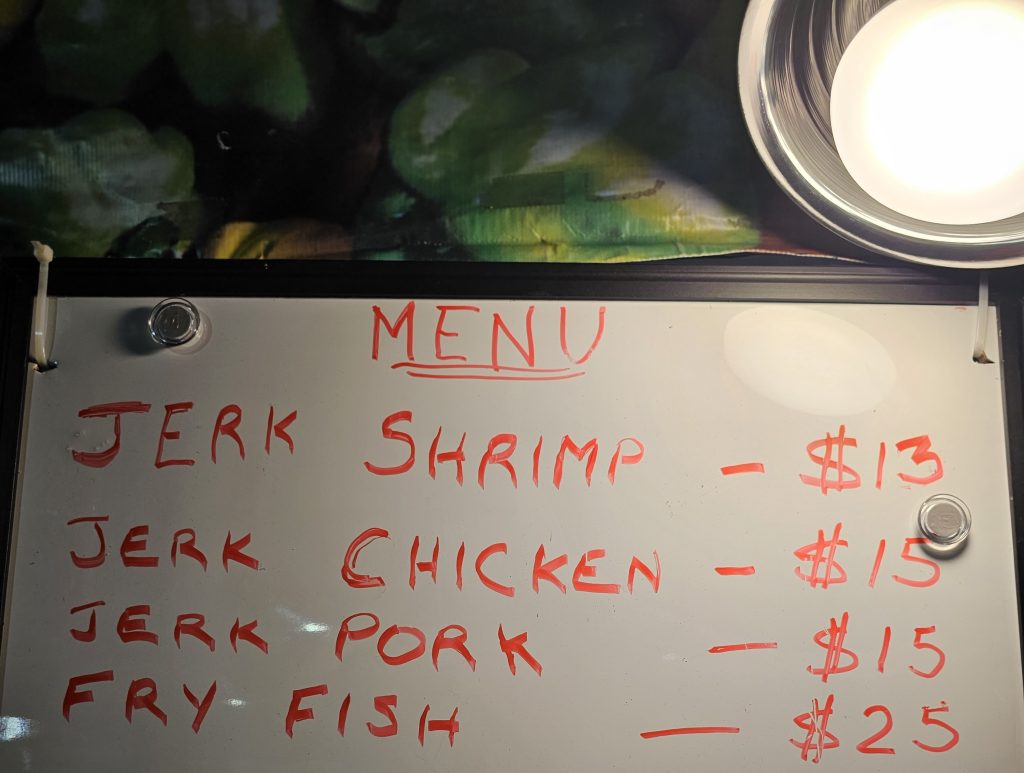
2023 Grace Jamaican Jerk Festival (Miramar, Florida)
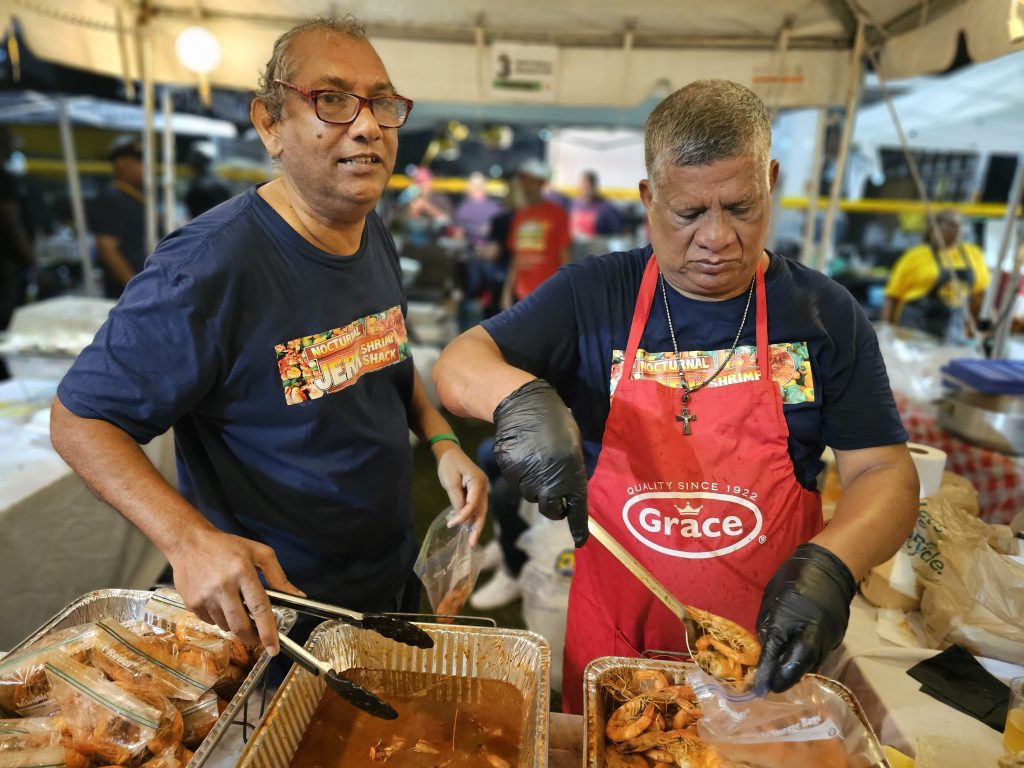
2023 Grace Jamaican Jerk Festival (Miramar, Florida)
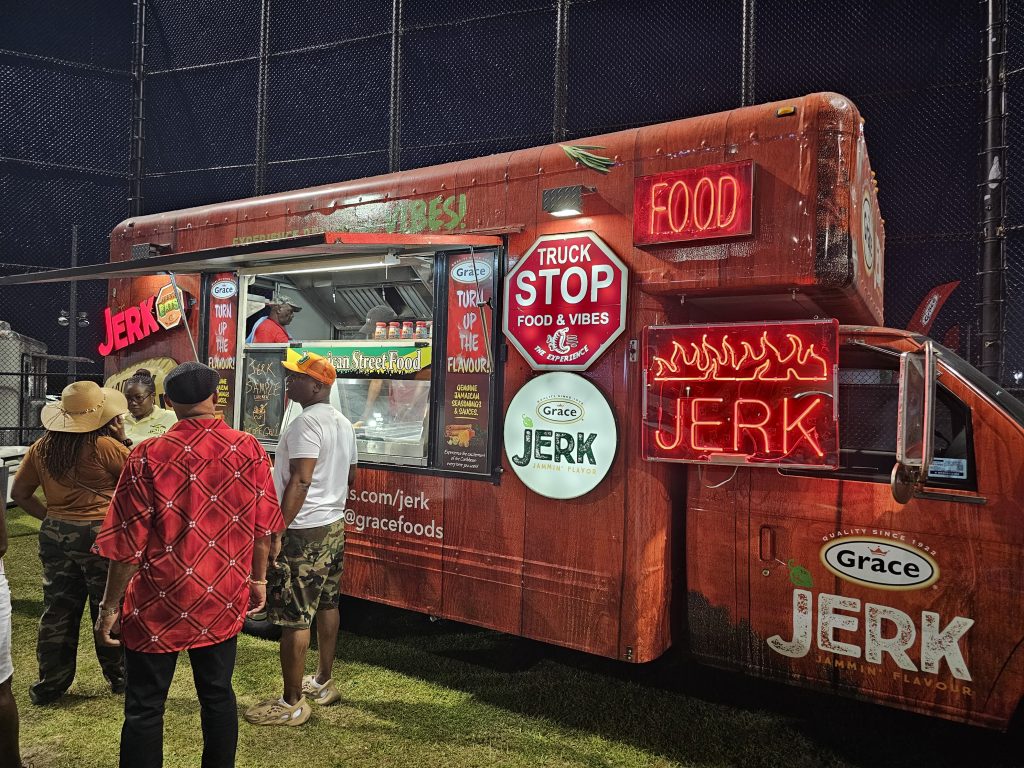
2023 Grace Jamaican Jerk Festival (Miramar, Florida)
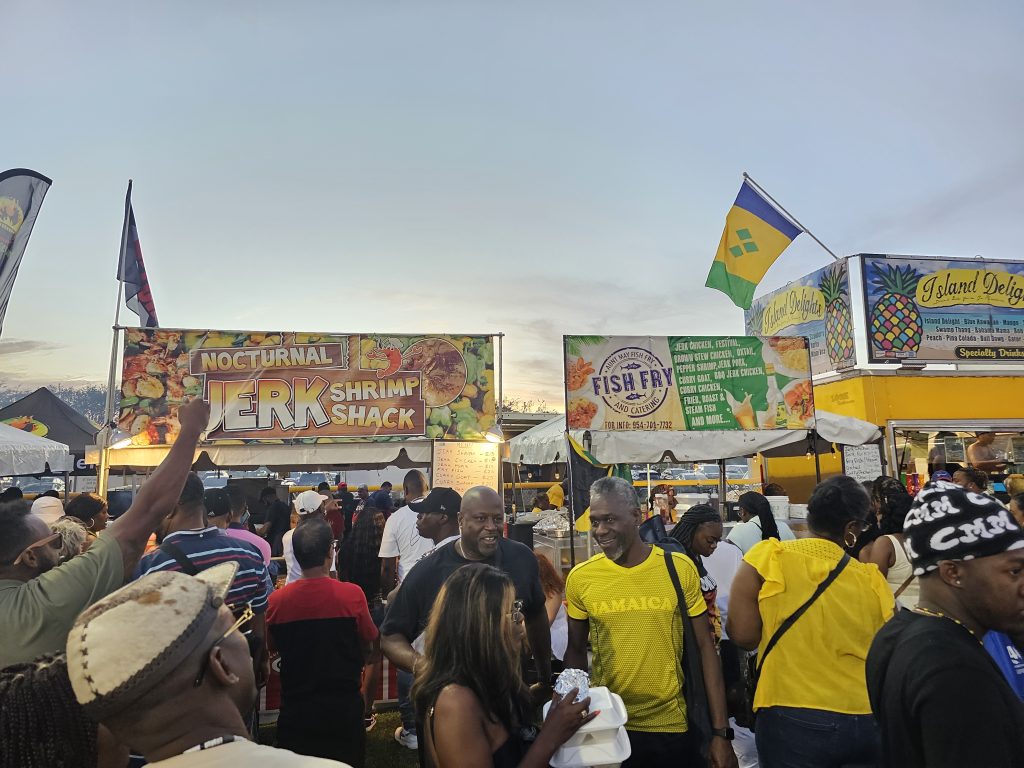
2023 Grace Jamaican Jerk Festival (Miramar, Florida)
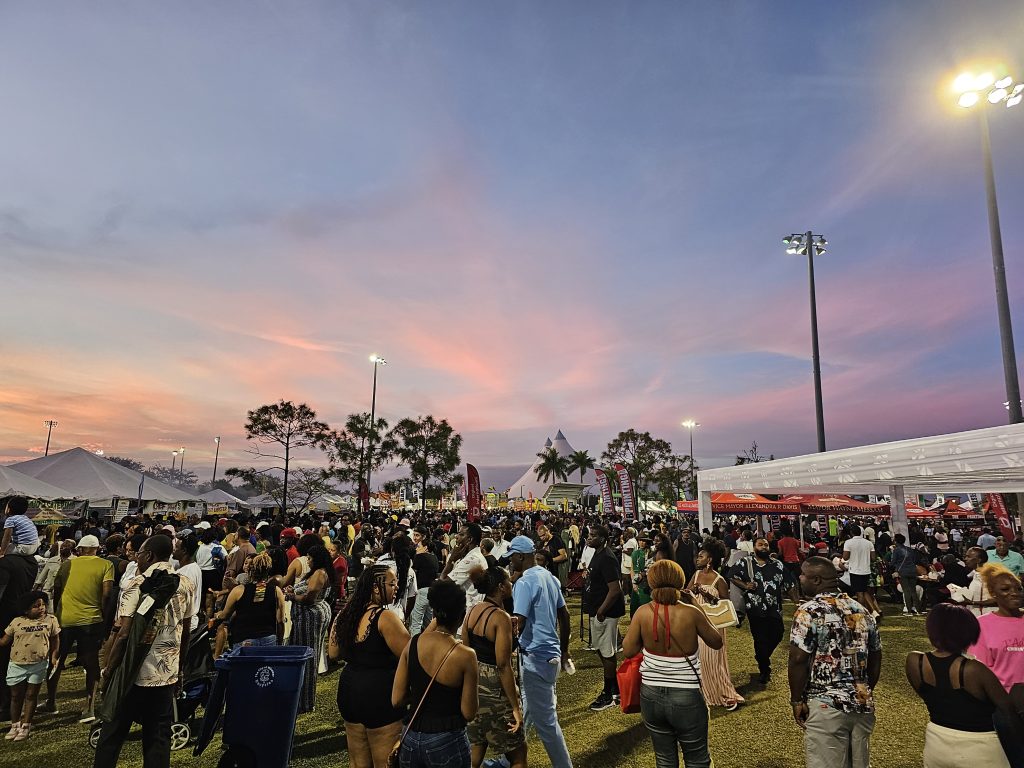
2023 Grace Jamaican Jerk Festival (Miramar, Florida)
Celebrity Quick Fire Challenge and ‘Cook-Off’ Competition
Hosted by Chef Irie, Culinary Coordinator, Private Chef and TV Host, the Publix Culinary Pavilion featured the Flavorful Celebrity Quick Fire Challenge. The Publix Culinary Pavilion also had on-hand Internationally acclaimed celebrity chefs Travis Reece (Jamaica), Jamal Small (Bahamas) and Darian Bryan (Jamaica).

Chef Irie – 2023 Grace Jamaican Jerk Festival (Miramar, Florida)
Attendees certainly enjoyed the cooking demonstrations and competitions. Once again, and for the second year in a row Chernéy Amhara hoisted the Todd Tongen trophy after turning up the heat on her challenger, Alexis Frazier (of South Florida’s Local 10 News team). Chernéy Amhara is an Emmy award-winning journalist working for South Florida’s NBC 6 News team in the station’s Miramar-based studios.
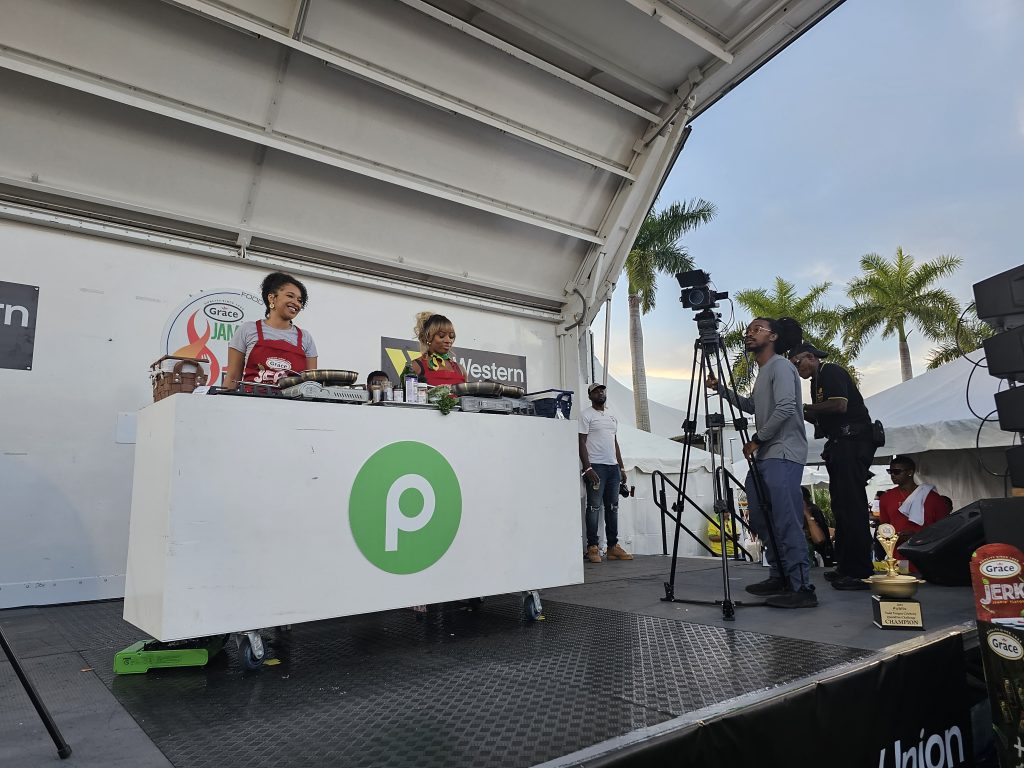
Chernéy Amhara (at left) and Alexis Frazier – 2023 Grace Jamaican Jerk Festival (Miramar, Florida)
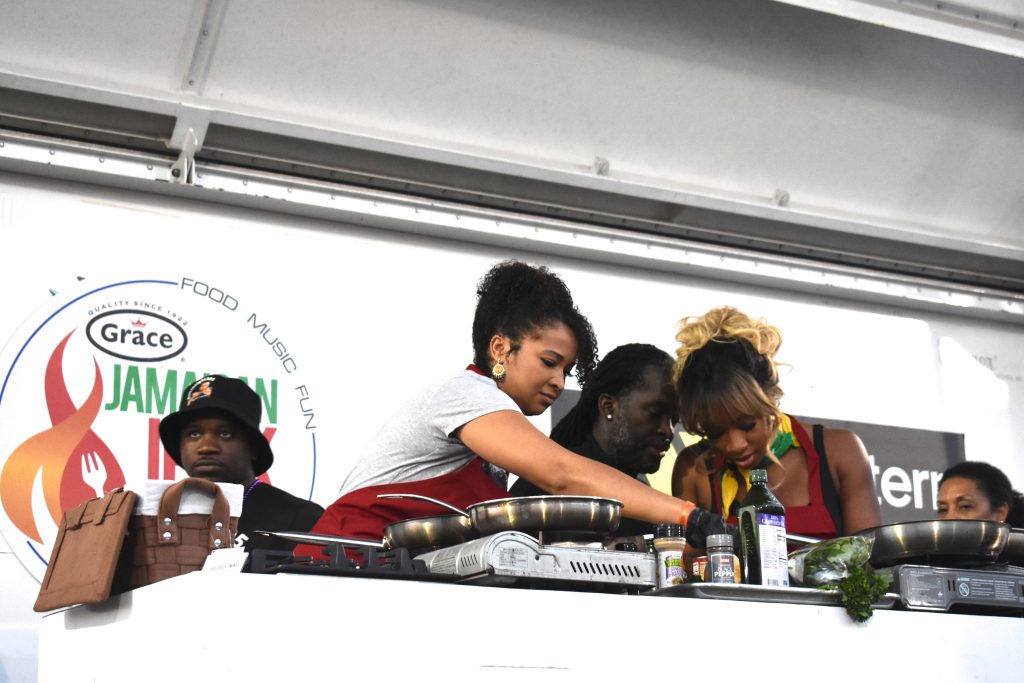
Chernéy Amhara (at left) and Alexis Frazier – 2023 Grace Jamaican Jerk Festival (Miramar, Florida)
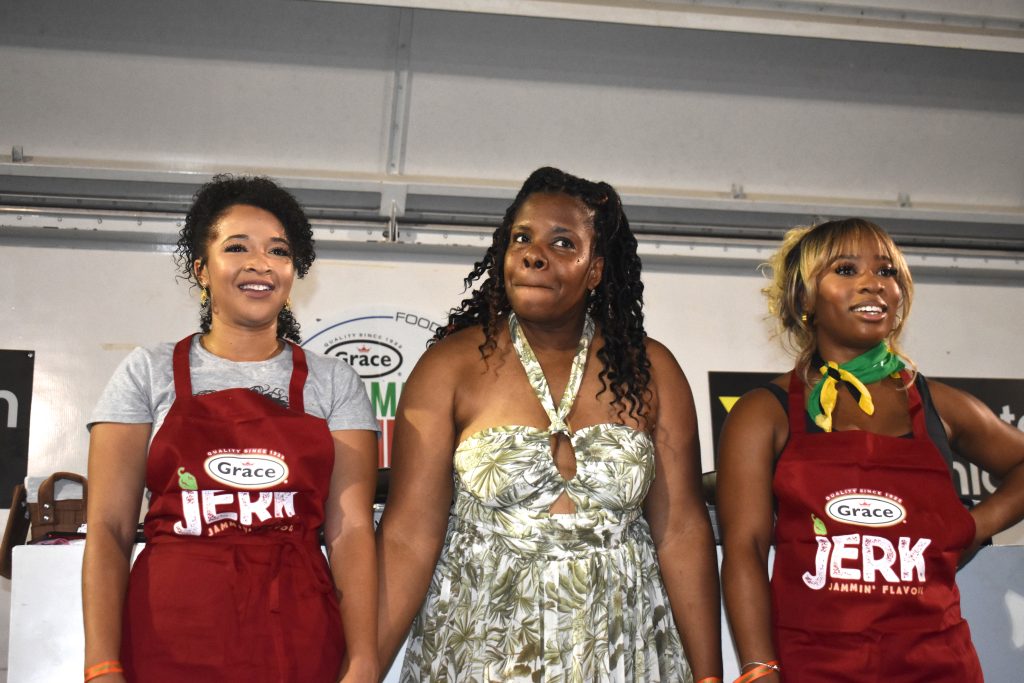
Chernéy Amhara (at left) and Alexis Frazier (far right) – 2023 Grace Jamaican Jerk Festival (Miramar, Florida)
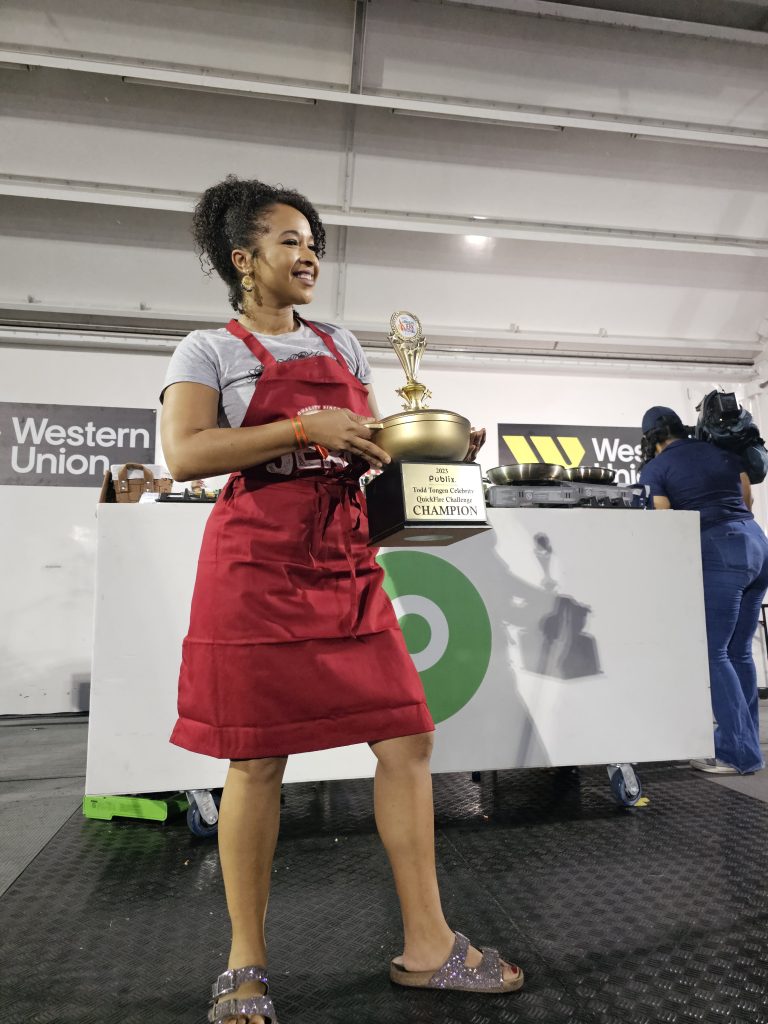
Chernéy Amhara – 2023 Grace Jamaican Jerk Festival (Miramar, Florida)
Concert Segment Featured Outstanding Performances from Top Names in Reggae and Dancehall
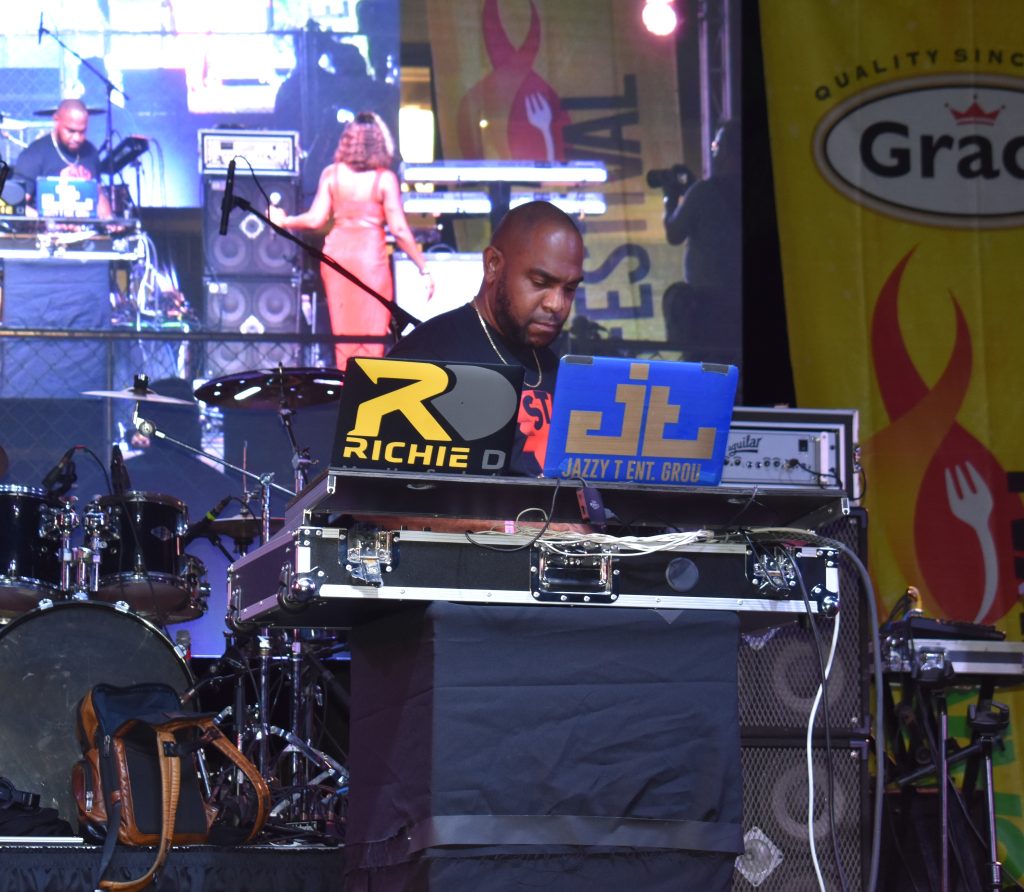
Aside from the multitude of vendors and their delicious jerk dishes to choose from, there were sizzling live performances later in the evening as part of the festival’s concert segment. The lineup of outstanding performances included reggae and dancehall heavyweights such as Morgan Heritage (Grammy Award winning reggae band); Ding Dong (and his Ravers Clavers dancing crew); Popeye Caution (Jamaican dancehall artist); Collie Buddz (international reggae artist hailing from Bermuda); Chris ‘Johnny’ Daley (comedian); and Dancing Dynamite Crew based out of Jamaica. DJs Richie D and Jazzy T (of Renaissance Disco) dished out some nice musical juggling on the wheels of steel. Jody Ann Gray handled the emcee duties. What’s more, there was a patty eating contest with a $1,000 prize!
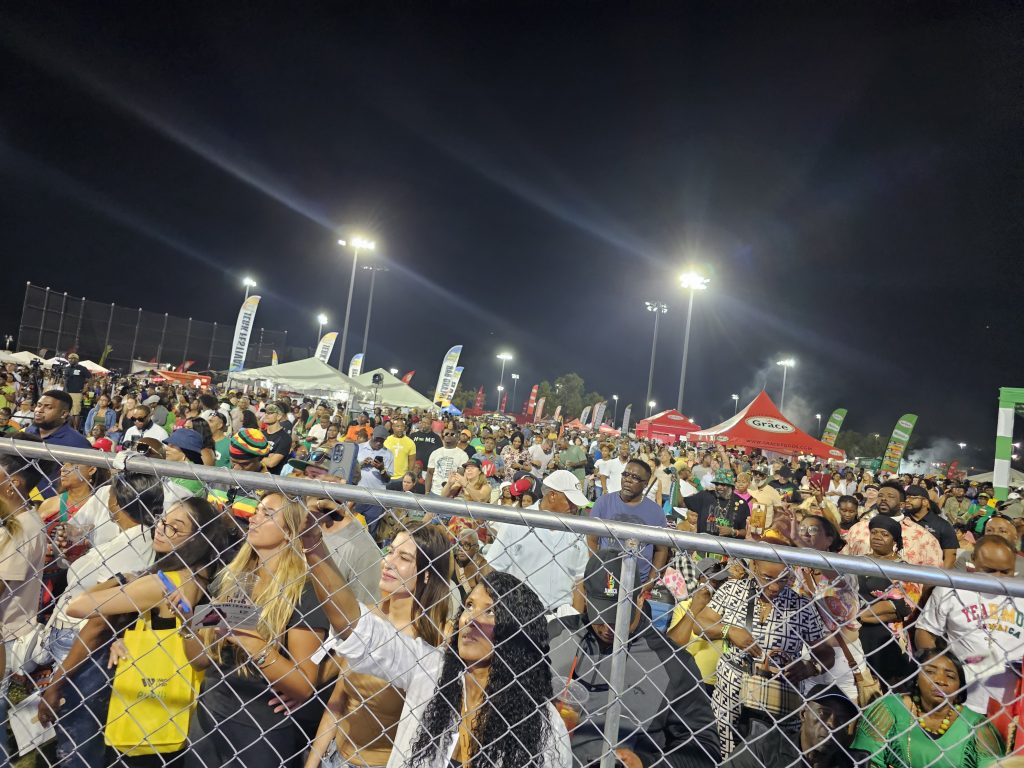
Concert Segment – 2023 Grace Jamaican Jerk Festival (Miramar, Florida)
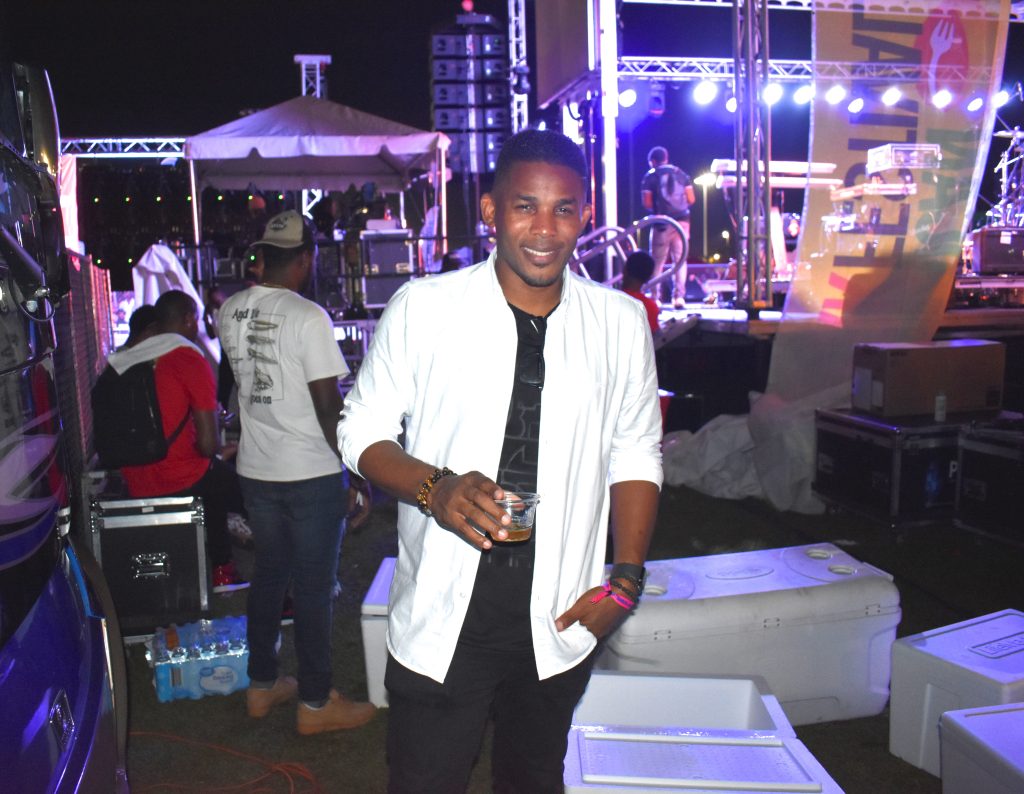
Concert Segment, Jazzy T of Renaissance Disco – 2023 Grace Jamaican Jerk Festival (Miramar, Florida)
Concert Segment, Richie D – 2023 Grace Jamaican Jerk Festival (Miramar, Florida)

Concert Segment, Peter Morgan of Morgan Heritage – 2023 Grace Jamaican Jerk Festival (Miramar, Florida)
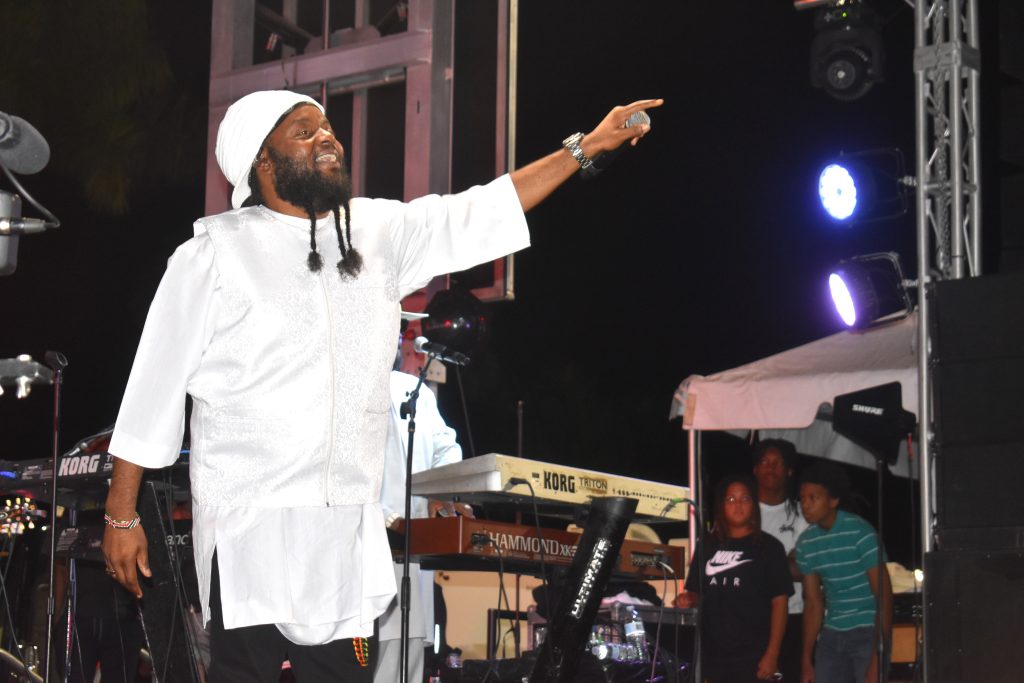
Concert Segment, Peter Morgan of Morgan Heritage – 2023 Grace Jamaican Jerk Festival (Miramar, Florida)
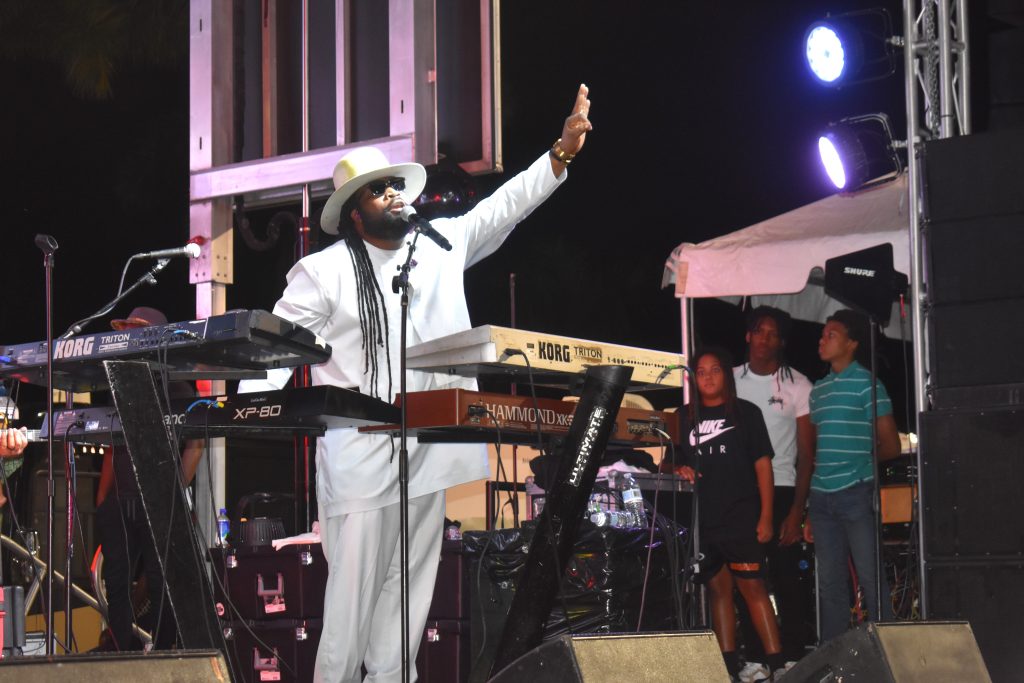
Concert Segment, Gramps Morgan of Morgan Heritage – 2023 Grace Jamaican Jerk Festival (Miramar, Florida)
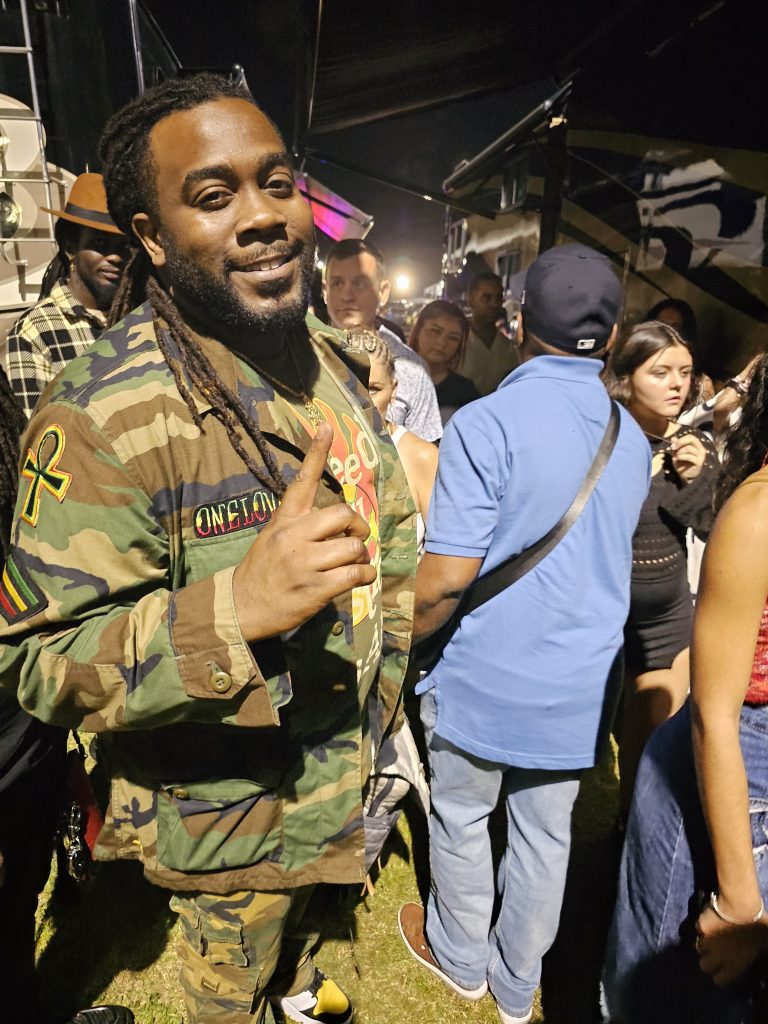
Concert Segment, Jemere Morgan of Morgan Heritage – 2023 Grace Jamaican Jerk Festival (Miramar, Florida)
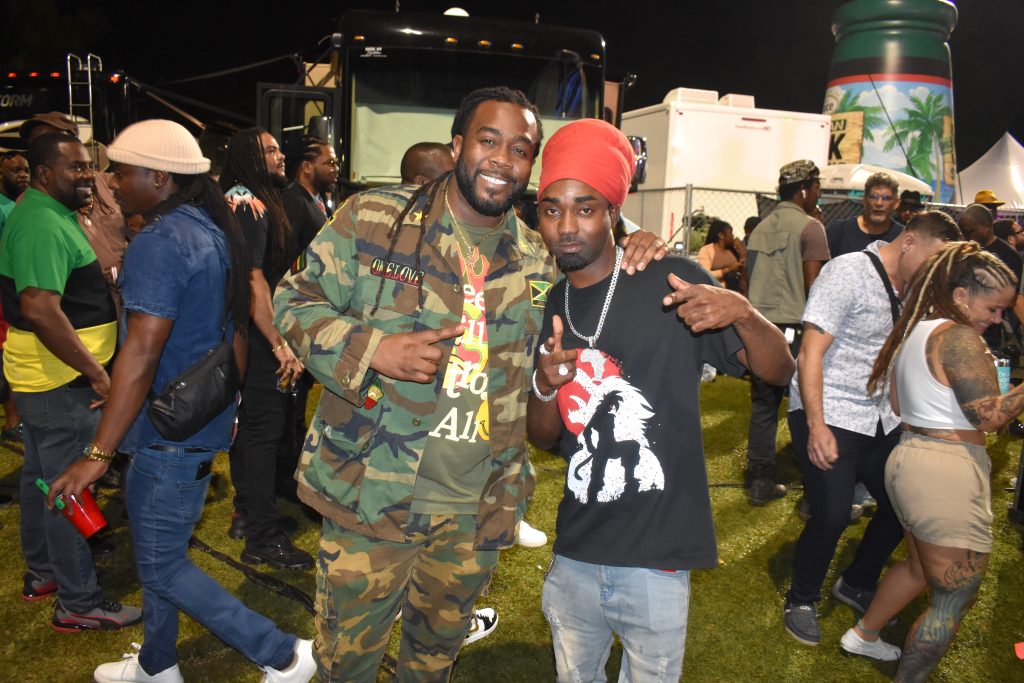
Concert Segment, Jemere Morgan of Morgan Heritage alongside up and coming roots & culture artist, Jahlando – 2023 Grace Jamaican Jerk Festival (Miramar, Florida)
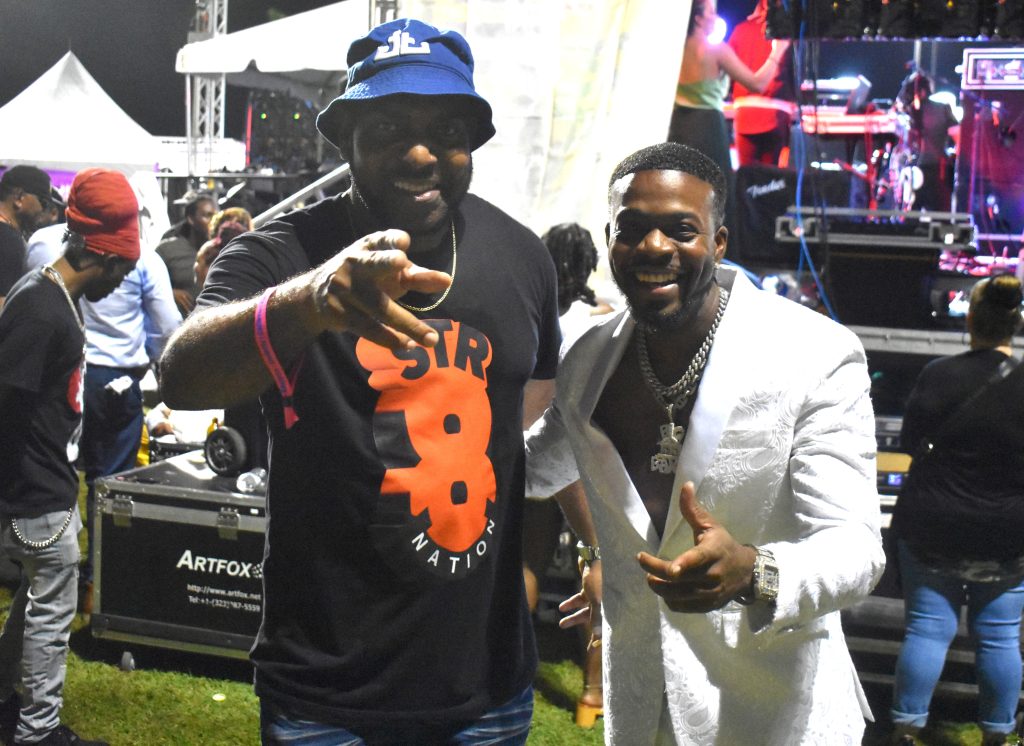
Concert Segment, Jazzy T of Renaissance Disco (left) and platinum-selling music producer, Jon FX – 2023 Grace Jamaican Jerk Festival (Miramar, Florida)
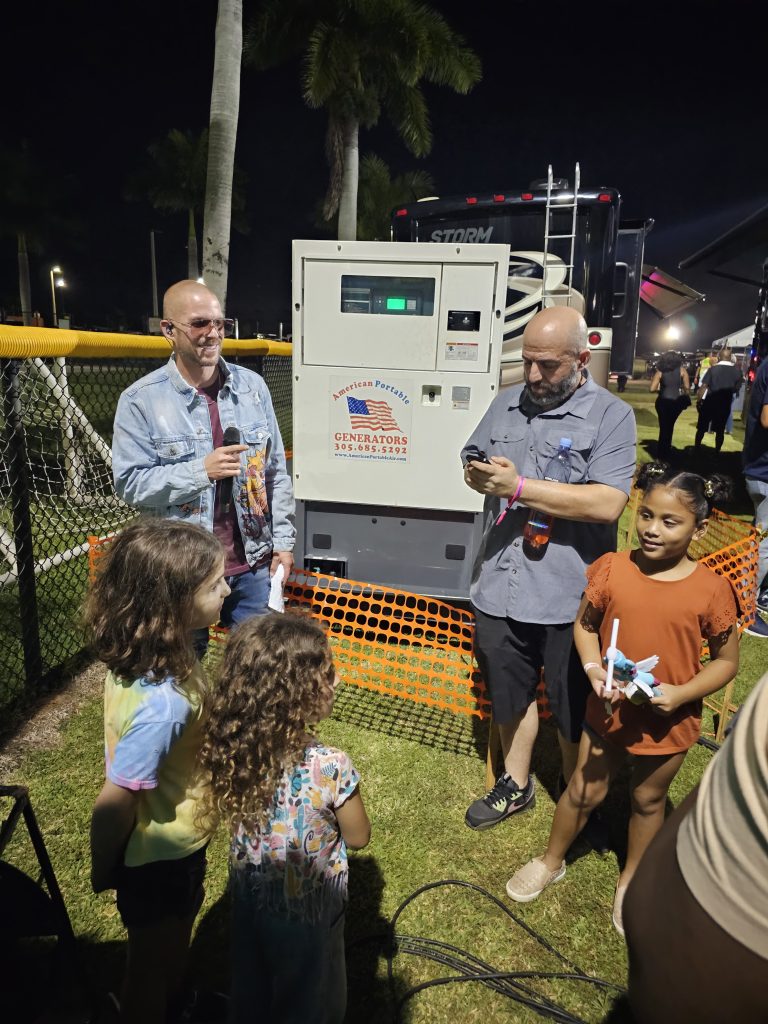
Concert Segment, Collie Buddz – 2023 Grace Jamaican Jerk Festival (Miramar, Florida)
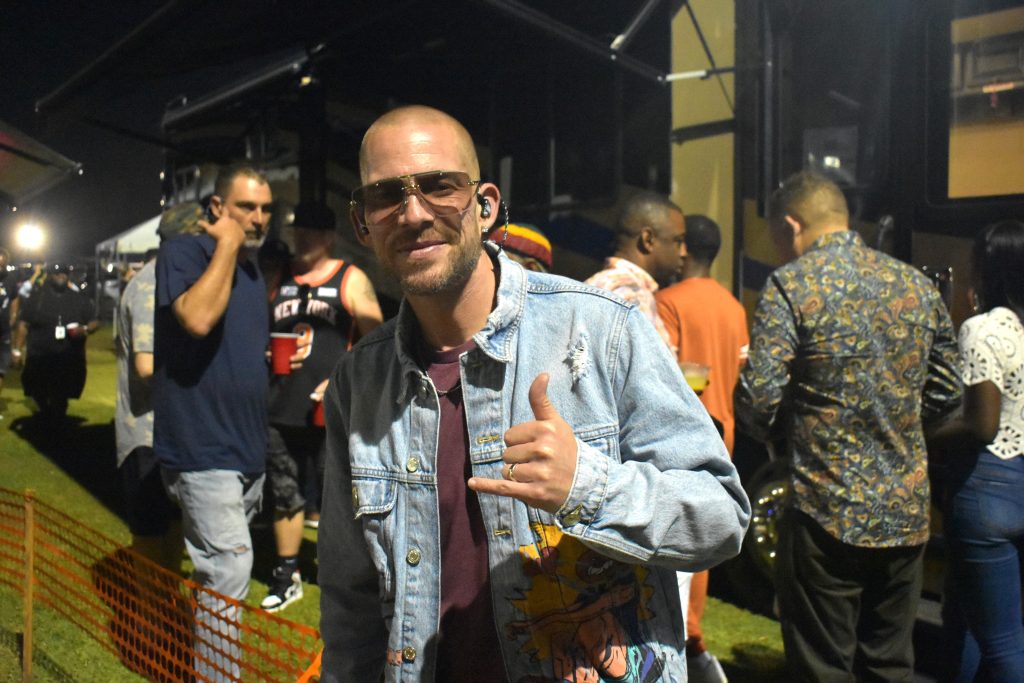
Concert Segment, Collie Buddz – 2023 Grace Jamaican Jerk Festival (Miramar, Florida)
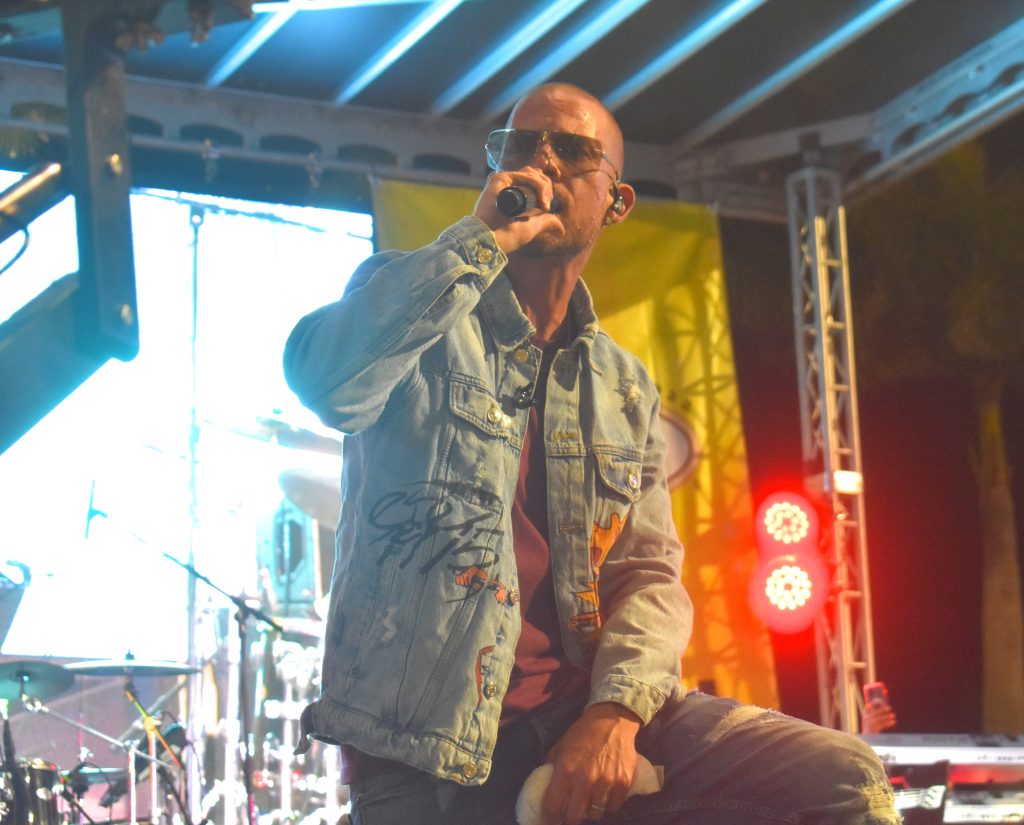
Concert Segment, Collie Buddz – 2023 Grace Jamaican Jerk Festival (Miramar, Florida)
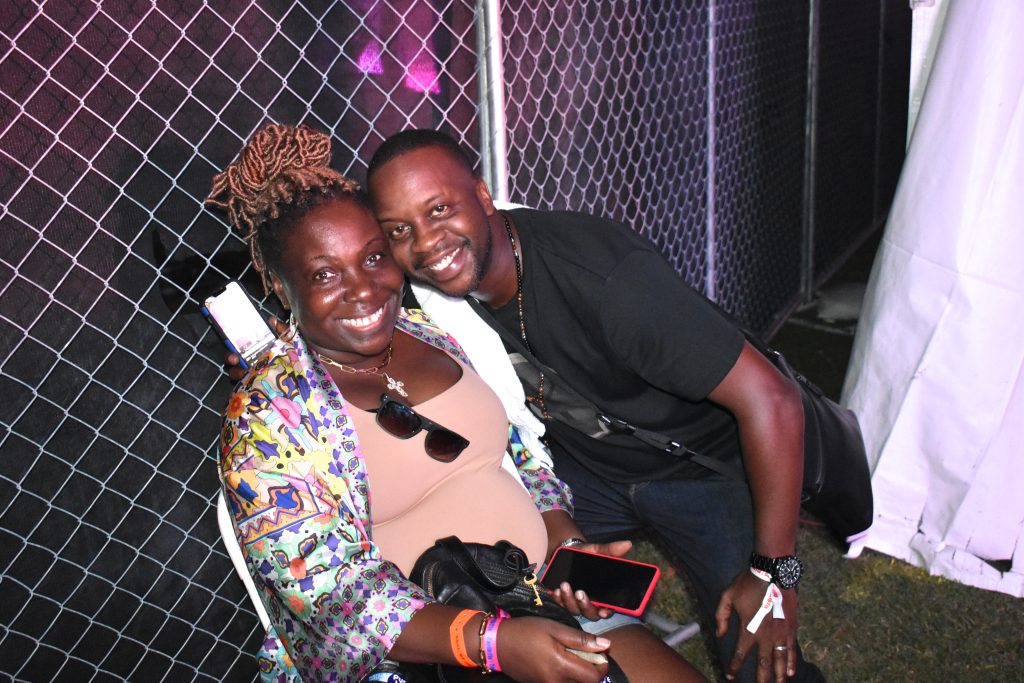
Chris ‘Johnny’ Daley – 2023 Grace Jamaican Jerk Festival (Miramar, Florida)

Emcee Jody Ann Gray and the Patty Eating Contest winner – 2023 Grace Jamaican Jerk Festival (Miramar, Florida)
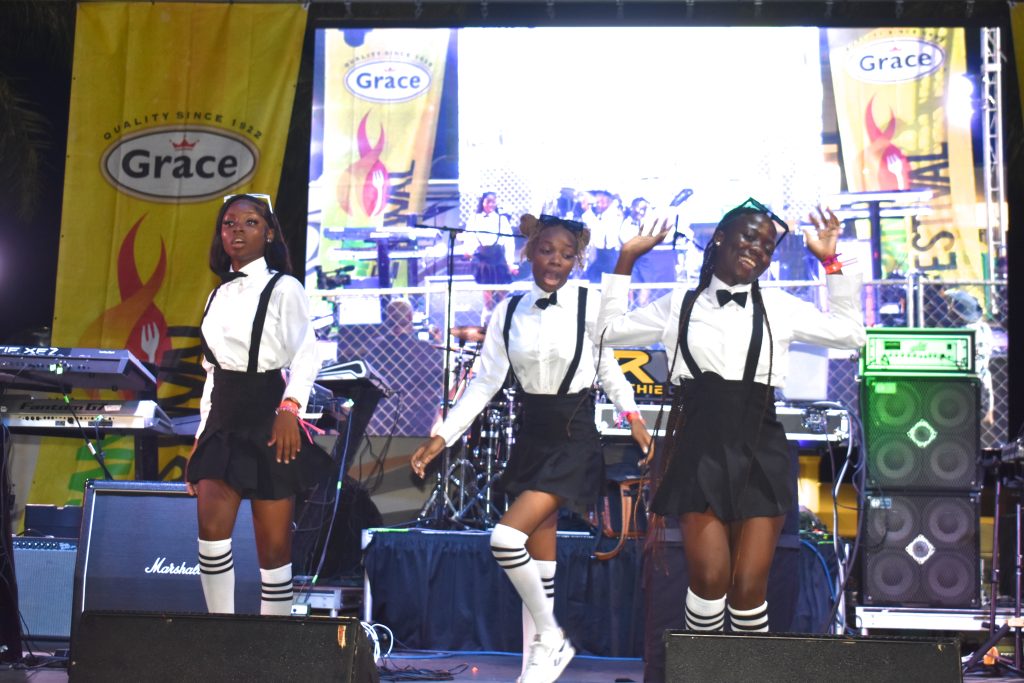
Dancing Dynamite Crew – 2023 Grace Jamaican Jerk Festival (Miramar, Florida)

Dancing Dynamite Crew – 2023 Grace Jamaican Jerk Festival (Miramar, Florida)
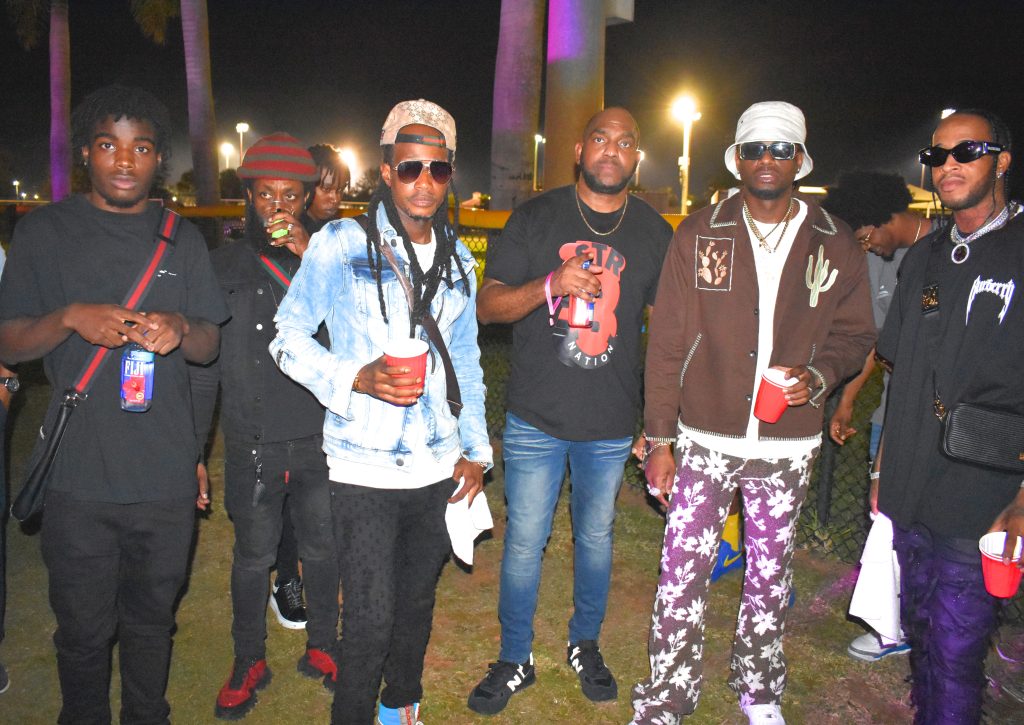
Concert Segment, Popeye Caution (far right), Ding Dong Ravers (second from right), Jazzy T of Renaissance Disco (third from right) – 2023 Grace Jamaican Jerk Festival (Miramar, Florida)
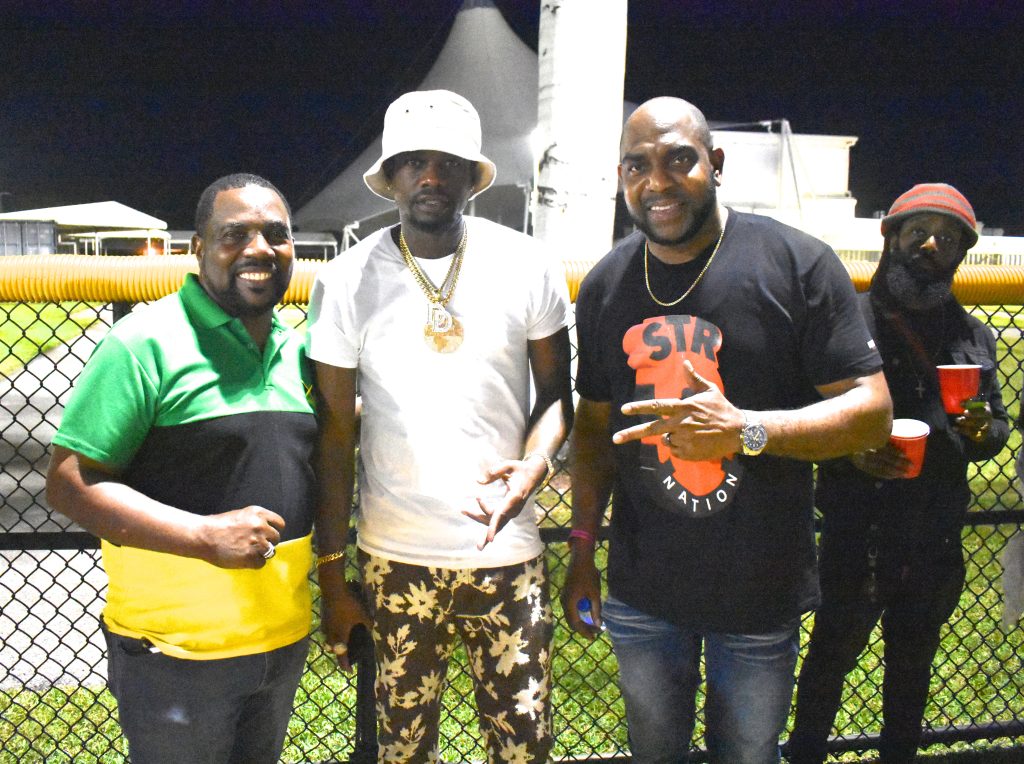
Concert Segment, Commissioner Maxwell Chambers (far left), Ding Dong Ravers (center), Jazzy T (Renaissance Disco) – 2023 Grace Jamaican Jerk Festival (Miramar, Florida)
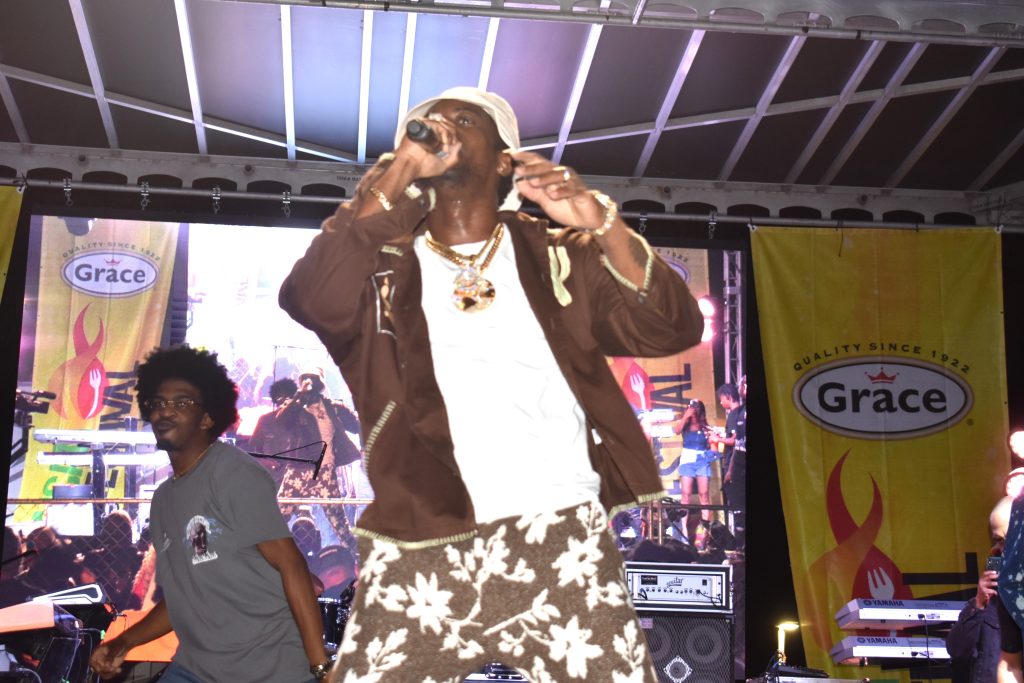
Concert Segment, Ding Dong and Ravers Clavers – 2023 Grace Jamaican Jerk Festival (Miramar, Florida)
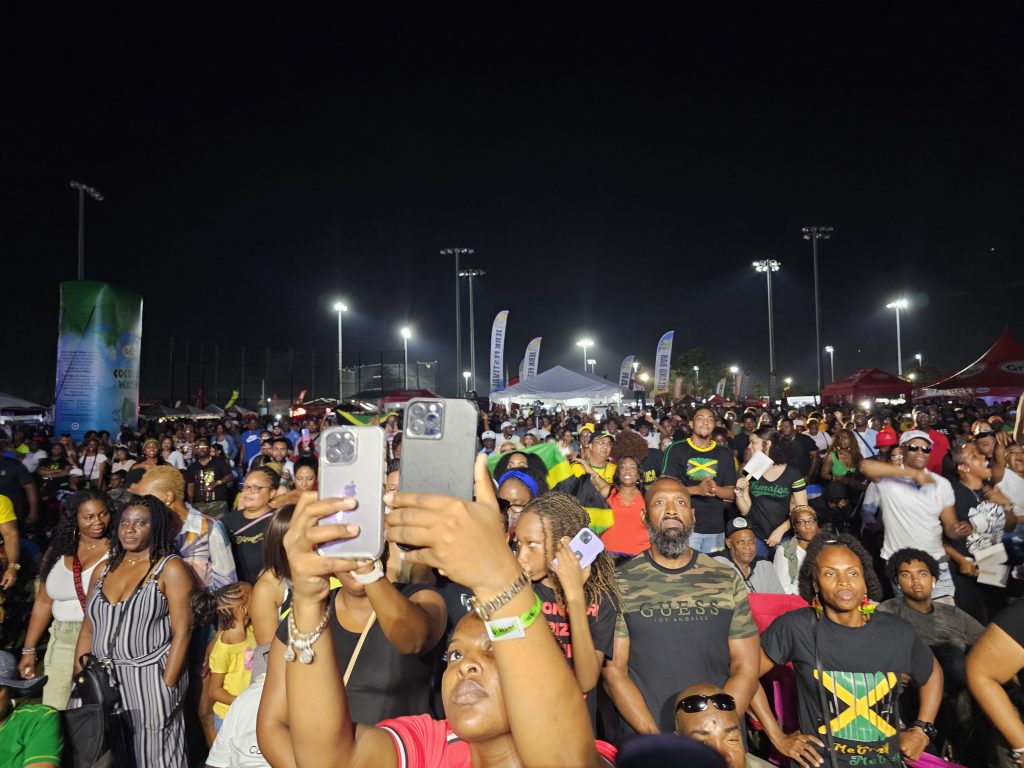
Concert Segment – 2023 Grace Jamaican Jerk Festival (Miramar, Florida)
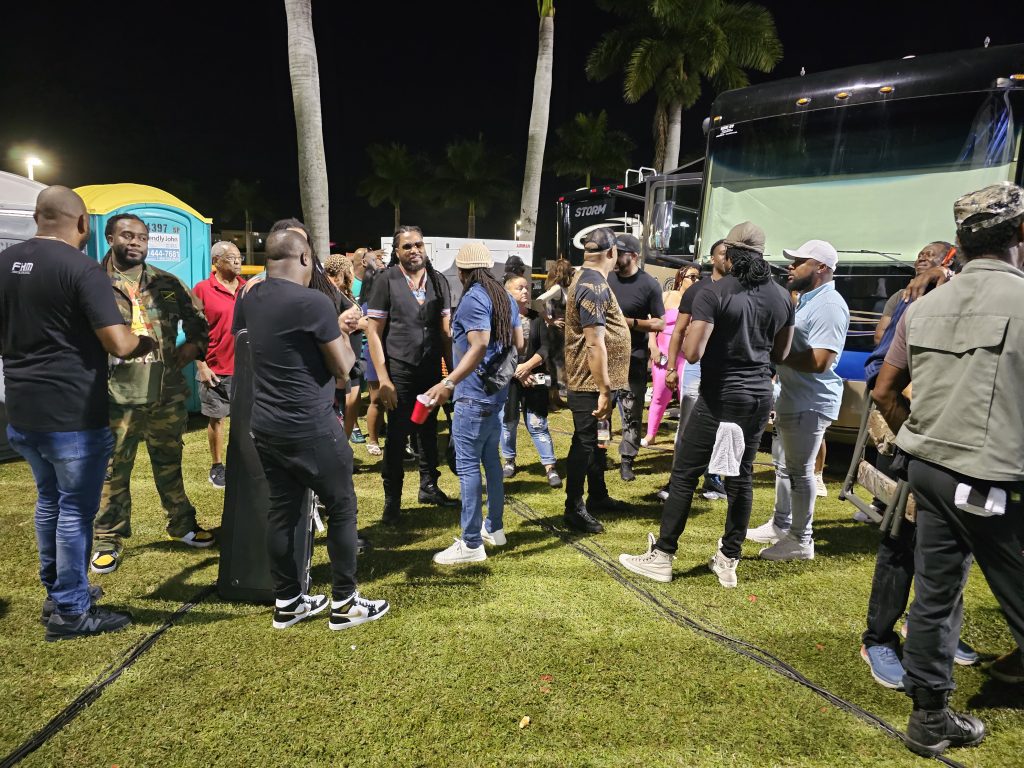
2023 Grace Jamaican Jerk Festival (Miramar, Florida)
Without a doubt, this year’s 21st episode of the Grace Jamaican Jerk Festival, afforded the masses of attendees the opportunity to embark on an authentic culinary journey not only via Jamaica, but also throughout the Caribbean Diaspora. From tender jerk chicken and jerk pork to succulent jerk shrimp and jerk lobster, and a broad variety of island cuisines such as Jamaican favorites fried festival, oxtails, curry goat, escovitch fish, the festival simply had it all.
All in all, the Grace Jamaican Jerk Festival was very well-organized thanks to not only Eddy Edwards, but also to all the contributors, sponsors and partners: City of Miramar, Western Union, Greater Ft. Lauderdale Visitors and Conventions Bureau, The National Weekly, Jamaica Observer, WAVS 1170 AM, and Cox Radio Miami.
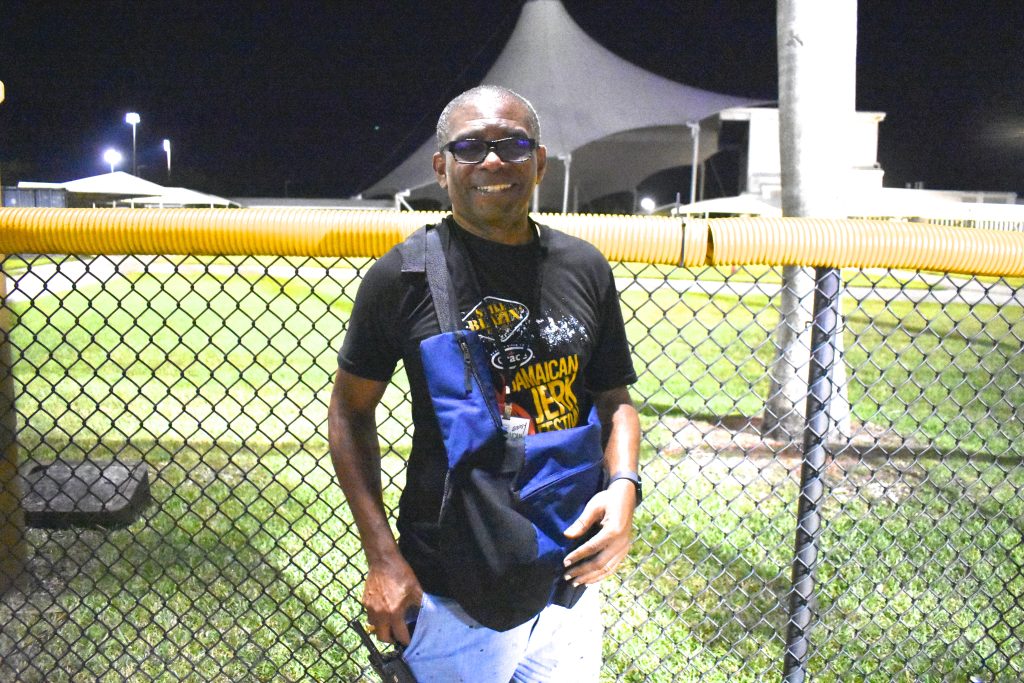
Eddy Edwards, CEO of Jamaican Jerk Festival USA, Inc. – 2023 Grace Jamaican Jerk Festival (Miramar, Florida)
And from all appearances, the Festival provided a great venue and party atmosphere—which allowed the patrons to reconnect with friends and socialize while enjoying amazing jerk food dishes and delicacies. Without a doubt, folks are surely looking forward to next year’s installment of this not-to-be missed South Florida food and entertainment festival.
Photo – Nick Ford
The post From Jerk Ice Cream to Jerk Pork, Grace Jamaican Jerk Food Festival Draws Thousands to South Florida appeared first on Jamaicans.com.

 L’entraîneur français, nommé dans la semaine, a assisté à la victoire à domicile de ses hommes face aux Rémois, dimanche, en Ligue 1 (3-1). Un premier pas vers le redressement d’un club en difficulté.L’entraîneur français, nommé dans la semaine, a assisté à la victoire à domicile de ses hommes face aux Rémois, dimanche, en Ligue […]
 L’ancien porte-parole d’agences onusiennes Khaled Mansour souligne, dans un entretien au « Monde », que la fuite des Palestiniens vers le sud de Gaza rappelle des scènes d’exode, au Rwanda ou en Bosnie. Un échec pour la communauté internationale.L’ancien porte-parole d’agences onusiennes Khaled Mansour souligne, dans un entretien au « Monde », que la fuite des Palestiniens vers le […]
 Déjà titré en 2022, le pilote italien de l’écurie officielle Ducati a remporté, dimanche, le Grand Prix de Valence. L’Espagnol Jorge Martin, dernier homme à pouvoir lui disputer le titre, a chuté.Déjà titré en 2022, le pilote italien de l’écurie officielle Ducati a remporté, dimanche, le Grand Prix de Valence. L’Espagnol Jorge Martin, dernier homme à pouvoir […]
 Sans rival ou presque, le pilote Néerlandais a signé sa 19e victoire de l’année, dimanche, aux Emirats arabes unis. Il devance Charles Leclerc et George Russell, et remporte son troisième titre de champion du monde.Sans rival ou presque, le pilote Néerlandais a signé sa 19e victoire de l’année, dimanche, aux Emirats arabes unis. Il devance […]
 Le pilote ART Grand Prix de 20 ans a terminé 5ᵉ de l’ultime course de la saison, dimanche à Abou Dhabi, remportant ainsi le titre mondial dans la catégorie considérée comme l’antichambre de la formule 1.Le pilote ART Grand Prix de 20 ans a terminé 5ᵉ de l’ultime course de la saison, dimanche à Abou Dhabi, remportant […]


 Minister of Public Service, Sonia Parag during her remarks. (Photo: DPI/ November 25, 2023)


 Vice President Bharrat Jagdeo (Photographer: Aaron M. Sprecher/Bloomberg
 View of the rainforest from Guyana’s Kaieteur Falls (Photo by Dallas Reeves on Flickr)


