The Republic Bank Caribbean Premier League (CPL) on Monday articulated its support for the Guyanese populace amid the MV Barima tragedy, which occurred over the weekend.
The CPL shared in a statement, “The thoughts of everyone at the Republic Bank Caribbean Premier League (CPL) are with those who have been impacted by the MV Barima tragedy.
“Our hearts go out to the families and loved ones of those who lost their lives, and to all who remain missing, as search and rescue efforts continue. We stand with Guyana and the wider Caribbean community during this difficult time.
The CPL family sends strength and solidarity to all affected.”
The MV Barima was en route to Region One from Georgetown when it capsized off the Essequibo Coast on Saturday night. More than 100 passengers were estimated to have been on board the vessel, with some 69 persons rescued.
Your Eyewitness is still stunned at the enormity of the tragedy he’s had to absorb since he got the news of the MV Barima capsizing in the Atlantic on the way from GT to Port Kaituma late Saturday night. Don’t expect any humour today, Dear Readers – light or otherwise. While, unfortunately, we haven’t heard of any additional survivors to the 69 we were told about – we gotta keep hope alive. The immediate priority is to save every life we possibly can – and support the families of those affected.
Beyond that, however, the MV Barima tragedy should become a turning point for maritime safety in Guyana – rather than another disaster that fades after a CoI report. We must insist that this be implemented. Authorities are investigating possible irregularities involving the passenger manifest, crew conduct, and enforcement of safety procedures and already, the captain and the first engineer have been arrested after testing positive for marijuana.
Even if it weren’t for rescued passengers insisting that the ferry was quite overloaded with people and cargo – the fact that only 35 of the 69 rescued were on the passenger list confirms this beyond a shadow of doubt. One passenger claimed there were at least 200 persons aboard – almost double the 116 originally claimed!! Your Eyewitness thinks we must treat false passenger manifests as a serious criminal offence!! An inaccurate manifest ain’t just a paperwork violation – it directly hampers rescue operations because authorities can’t know how many people are actually missing!! If officials or employees knowingly facilitated off-the-book boarding, they should face criminal prosecution!
The Government must conduct a serious review of our ferry fleet and make some tough decisions on seaworthiness of some ferries!! The Barima is 87 years old – and had to be approaching the end of its life. There was a report a few months ago that bids had been received for some serious rehabilitating of the Barima – and also the MV Ma Lisha that had been acquired only two years ago from India as part of the government’s acceleration of its fleet renewal programme!! Is the Ma Lisha in dry dock right now and this is why the Barima was doing all the heavy ferrying?? Based on the Barima’s age and the extensive list of repairs on the bid document, shouldn’t repairing the Barima have taken priority??
As the investigation into the Barima tragedy proceeds, we must ratchet up support for the victims’ families – including those not on the manifest but identified after a comprehensive programme soliciting information from relatives and friends who’ve missed them. There should be help obtaining official documentation and a single point of contact for information. Beyond compensation, Government should establish a family assistance centre providing counselling and financial guidance.
…for Spain
There are football finals, and then there are football disappearances. To your Eyewitness who supported them, Argentina turned up for the pre-match photographs, dutifully stood through the national anthem, and then apparently caught the first flight back to Buenos Aires. For the next 90 minutes, Spain seemed to be playing an unusually well-organised training session!!
This was supposed to be the clash of the tournament – South American flair against Spanish precision, passion against possession, history against history!! Instead, Spain monopolised not just the ball but the occasion. Argentina’s famed midfield looked like tourists admiring Spanish architecture from a respectful distance, while their attack appeared to have lost the address of the penalty area!
One expected fireworks, but what arrived was a damp sparkler. Spain deserved every accolade. They pressed relentlessly, controlled the tempo, and played with the confidence of a side convinced the trophy already had their name engraved on it!!
Argentina, by contrast, including Messi, never found the intensity that had carried them through the knockout rounds!!
…traduced in Gaza
It’s going on three years since the war in Gaza started! So, it doesn’t take a crystal ball to see that the Israelis ain’t gonna stop their killing frenzy until the Palestinians are driven into the sea!!
Vice President (VP) Dr Bharrat Jagdeo has called on Indigenous leaders to help steer the next phase of development in Guyana’s hinterland communities by placing greater emphasis on job creation, income-generating activities and housing, while assuring that Government support through the Low Carbon Development Strategy (LCDS) will continue over the next six years. Jagdeo made the remarks on Monday during an interactive session with Toshaos attending the 2026 National Toshaos Council (NTC) Conference, where he outlined the Government’s vision for strengthening village economies and improving livelihoods across Indigenous communities. Addressing the gathering at the Arthur Chung Conference Centre (ACCC), the VP reflected on the People’s Progressive Party/Civic’s (PPP/C) victory at the 2025 General and Regional Elections, noting that the party increased its parliamentary majority from one seat to seven. He said the outcome demonstrated public confidence in the Government’s development agenda. “The development of our country is not an easy task and development doesn’t come overnight,” Jagdeo said. “We have had to walk a long road together from one of the poorest countries in the world, one of the most heavily indebted countries in the world, to today one of the shining examples of how a country should manage progressively its economy and its national affairs.” He said Guyana’s progress had been achieved despite political challenges and criticism from the opposition, stressing that meaningful development requires careful planning rather than rhetoric.
Vice President Dr Bharrat Jagdeo speaking on Monday during an interactive session with Toshaos attending the 2026 National Toshaos Council (NTC) Conference
Oil wealth misconceptions
Jagdeo also addressed what he described as misconceptions surrounding Guyana’s oil revenues, saying many people assume the country’s oil wealth is sufficient to fund every national need. He explained that all of the oil revenues collected to date are still insufficient to finance even 40 per cent of the national budget. “I keep saying to them that until this year, all of the oil money that we collected can’t fund 40 per cent of our budget. Every cent of oil money that we collected can’t fund 40 per cent of our budget,” he said. According to the VP, this demonstrates the importance of prudent financial management and continued economic growth outside of the petroleum sector.
Hinterland benefiting
Jagdeo said the Government has worked to ensure that Indigenous communities receive a fair share of national resources through investments in infrastructure, education, healthcare and direct financing. He pointed to the LCDS as one of the major programmes supporting village development, noting that approximately $14 billion has been allocated directly to Indigenous villages over the past three years.
Those funds, he said, have financed more than 3,000 community projects across over 250 villages. Jagdeo commended village leaders for managing those projects efficiently. “We have been able to directly allocate funds to the villages through the LCDS for the villages to spend this money in a way that the people of the villages see fit, and that has yielded enormous benefits,” he said. He contrasted the progress made by village councils with projects previously managed by international agencies, arguing that local leadership had delivered results more efficiently. “If we had given external agencies this responsibility, it would take 100 years to do what the people and leadership of these villages have done in three short years,” he told the gathering.
Focus on jobs
While acknowledging improvements in roads, schools, health facilities and public services, Jagdeo said the Government believes the next phase of development must focus on creating employment opportunities within hinterland communities. He noted that six years ago unemployment was one of the country’s biggest concerns. Today, however, labour shortages exist across many coastal regions because of economic expansion. The situation in the hinterland, he said, remains different. “In the hinterland, we still have unemployment in many of the villages,” Jagdeo said. “One of the things we’ll be discussing is how we can work with you to generate more employment opportunities in the villages.”
He encouraged Toshaos to identify sustainable economic activities that match the strengths of their individual communities. Recognising that each village has different resources and environmental conditions, Jagdeo said development plans cannot follow a one-size-fits-all approach. Communities located in forested areas, savannahs or along rivers, he noted, will require different economic models.
Sustainable opportunities
Jagdeo said discussions throughout the conference would centre on identifying projects capable of generating long-term income rather than short-lived ventures. Among the possibilities he suggested were expanding coconut cultivation in Region Two, honey production using beehives in forested communities, livestock rearing and other agricultural enterprises with established markets. Using coconut production as an example, Jagdeo said villages could establish large-scale plantations capable of generating tens of millions of dollars annually while creating dozens of jobs. He stressed that any project selected must be supported by reliable markets to ensure long-term sustainability. “We need to go for the things that have the market in the long run,” he said.
Innovation hubs
To support economic diversification, Jagdeo announced that the Government intends to establish innovation and technical support hubs in every administrative region. These centres, he explained, will provide technical guidance and help communities develop sustainable enterprises. He said traditional extension services alone would not be enough to drive the level of diversification Government is seeking.
Zero-interest loans
Jagdeo also highlighted plans for the establishment of a Development Bank, which he said will play a major role in supporting Indigenous entrepreneurs. The bank will provide zero-interest loans without requiring collateral, addressing one of the major challenges faced by residents of Amerindian villages where communal lands cannot be used as security for commercial loans. He said discussions would examine ways of making small loans more easily accessible through partnerships between village councils and the Development Bank. The Government, he added, also wants feedback from village leaders on how best to administer community credit programmes after previous revolving loan initiatives experienced repayment challenges. “You can’t develop a business environment without credit,” Jagdeo said.
Building village capacity
The VP also proposed expanding opportunities for village councils to undertake public infrastructure projects. Rather than relying heavily on outside contractors, Jagdeo said Government wants Indigenous communities to build the technical capacity to construct roads and other public works themselves. He acknowledged that this would require investment in heavy equipment, training and maintenance.
Equipment valued at tens of millions of dollars, he noted, must be properly managed by trained operators to ensure it remains functional over the long term.
“We have to make sure that we don’t break up that equipment,” Jagdeo said, adding that building technical skills within villages would create additional employment while strengthening local capacity.
Housing support
Housing was another major area identified for discussion during the conference.
Jagdeo said the Government wants to work with Indigenous leaders to develop more effective ways of providing housing assistance. Rather than issuing small cash grants that are sometimes diverted to other purposes, he said Government is considering alternative approaches that would ensure assistance directly improves people’s homes. He urged Toshaos to provide recommendations on how housing programmes can better meet the needs of residents in their respective communities.
Preparing village proposals
Jagdeo encouraged every village to use the conference to develop proposals identifying at least three economic initiatives capable of generating jobs and increasing household incomes. Those proposals, he said, will be examined by the Government to determine their costs, sustainability and the type of support required for implementation. He said while Government will continue investing in schools, healthcare, roads and other traditional infrastructure, the focus must now expand to creating lasting economic opportunities within villages. “We have to make a transformation,” Jagdeo said. “We have to focus on income-generating activities, employment creation, economic infrastructure, housing and access to credit so that people can build better lives without having to leave their communities.”
Local fisherman Haresh Singh, one of the first civilians to respond to the sinking of the MV Barima and who also subsequently found the location of the missing vessel, has shared a moving account of the overnight rescue operation, describing the desperate efforts to save passengers who were left stranded in rough waters.
Singh said he received an urgent call at around midnight on Saturday from Regional Chairman Devin Mohan and Minister within the Public Works Ministry, Mandalall Ramraj, requesting his assistance after reports emerged that passengers from the vessel were floating at sea. “I received a call from the Chairman and Minister Ramraj. They said there were people floating after the steamer sank and asked me to help. I told them, ‘No problem.’
Haresh Singh, along with his crew, that helped rescue 11 persons who were onboard MV Barima which capsized
I left my bed immediately and within three to four minutes I was at the waterside,” Singh recalled. He quickly mobilised his brother and other fishermen and the group departed in their fishing boat to search for survivors. Singh said the conditions were extremely challenging, with rough seas and little visibility. After making contact with a Guyana Defence Force (GDF) Coast Guard vessel, the fishermen were directed towards the Hackney area. Singh said he advised the Coast Guard to launch distress flares while the smaller fishing boats sped ahead to begin the search. “When we reached there, the Coast Guard had already started picking up some survivors,” he said. Recalling the rescue, Singh described the scenes as heartbreaking. “The situation was very traumatising. The hardest part was seeing the children. We gave them biscuits and water, but hearing parents talk about losing their loved ones broke my heart,” he said. One father’s story, Singh noted, deeply affected him. “He told me he held onto his children, but his wife was gone. That brought tears to my eyes,” he recounted. While searching the area, Singh said he noticed fuel, personal belongings and other debris floating on the water, leading him to believe the vessel had sunk nearby. He relayed the information to the Coast Guard to assist with the search. The fishermen rescued 11 survivors, including two young children, two girls, one woman and several men.
Singh and crew bring in the survivors
“All you could hear were whistles. They were desperate to survive,” Singh said.
Own experience
Drawing on his own experience of surviving a boating accident years ago, Singh said he understood what the survivors were enduring. “I once floated in the water for seven hours after my own boat sank. I know that trauma. The only thing going through your mind is, ‘God, let me live.’” The rescue effort was eventually cut short after two children and one adult aboard Singh’s boat lost consciousness and had to be rushed ashore for medical treatment. Despite the emotional ordeal, Singh said he remains committed to helping locate the vessel and those still missing.
“My job now is to find this boat and bring it ashore so families can get answers. Whether their loved ones are alive or dead, we have to find them,” he said.
He also praised the coordinated response by the Regional Democratic Council (RDC), the GDF Coast Guard, police and fellow fishermen, saying everyone worked together with one goal to save as many lives as possible.
The capsizing of the MV Barima stands among the darkest moments in Guyana’s maritime history. The scale of the human loss has shaken the nation, leaving families grieving, communities traumatised, and an entire country awaiting answers. As search, rescue and recovery efforts continue, the national focus must remain where it belongs on accounting for every missing person, supporting survivors and ensuring that affected families receive the care and assistance they deserve.
National tragedies require calm leadership, coordinated action, and a commitment to transparency. Those principles have appropriately framed the Government’s response, particularly the decision to prioritise rescue operations while committing to a full, independent investigation into the circumstances surrounding the disaster.
In moments of profound national grief, there is often pressure for immediate conclusions. Rumours spread rapidly, speculation flourishes, and competing narratives emerge long before evidence has been gathered. Such an environment serves neither the victims nor their families. It risks obscuring facts, undermining confidence in the investigative process and creating unnecessary divisions at a time when unity is essential.
That is why the commitment to an independent inquiry is both necessary and welcome. A tragedy of this magnitude demands a process that is credible, transparent and capable of answering difficult questions. Every aspect of the vessel’s operation, safety procedures, regulatory oversight, emergency response and decision-making before and during the voyage must be subjected to careful scrutiny. Any shortcomings, whether institutional, operational or individual, must be identified and addressed.
The families who have lost loved ones deserve nothing less than the complete truth. Survivors deserve assurances that lessons will be learned. The wider public deserves confidence that recommendations arising from the investigation will strengthen maritime safety and reduce the likelihood of another such catastrophe.
Equally significant has been the emphasis placed on preserving the integrity of the rescue operation. Search efforts in maritime disasters are complex undertakings that require coordination among multiple agencies, specialised equipment and sustained logistical support. They are also highly time-sensitive, particularly during the critical hours immediately following an incident.
The mobilisation of military assets, emergency responders, civilian vessels, local fishermen, regional authorities, and volunteers demonstrates the importance of a unified national response when lives are at stake. Such cooperation reflects the understanding that disaster response cannot be confined to any single institution. It depends upon the combined efforts of public agencies, private citizens, and communities working towards a common humanitarian objective.
Recognition is also due to the many first responders who have operated under physically-demanding and emotionally-taxing conditions. Rescue personnel, medical teams, volunteers and ordinary citizens who answered the call have performed duties that extend well beyond professional obligation. Their contributions underscore the resilience that often emerges during periods of national crisis.
Maritime transport remains a lifeline for many hinterland communities, connecting residents to healthcare, education, commerce and essential Government services. Thousands of Guyanese depend upon these vessels because alternatives are limited or impractical. Public confidence in that transportation network is, therefore, indispensable.
The eventual findings of the investigation must not be filed away as another official report. They should become the foundation for comprehensive improvements to maritime safety, including stronger oversight, rigorous enforcement of existing regulations, regular vessel inspections, emergency preparedness, passenger accountability and operational protocols suited to the realities of Guyana’s waterways and coastal conditions. Where legislative or regulatory gaps exist, they should be addressed without delay.
The national conversation should also recognise the importance of allowing investigators to complete their work free from political interference or public pressure. Accountability carries the greatest legitimacy when conclusions are supported by evidence rather than conjecture.
The coming days will undoubtedly remain painful as the search continues, more difficult news may yet emerge. Every confirmed loss represents a family forever changed, a community diminished, and a nation reminded of the heavy human cost of tragedy.
A response grounded in compassion, transparency and accountability offers the strongest path forward. The immediate mission is to continue every possible effort to locate those still missing and provide support to survivors and bereaved families.
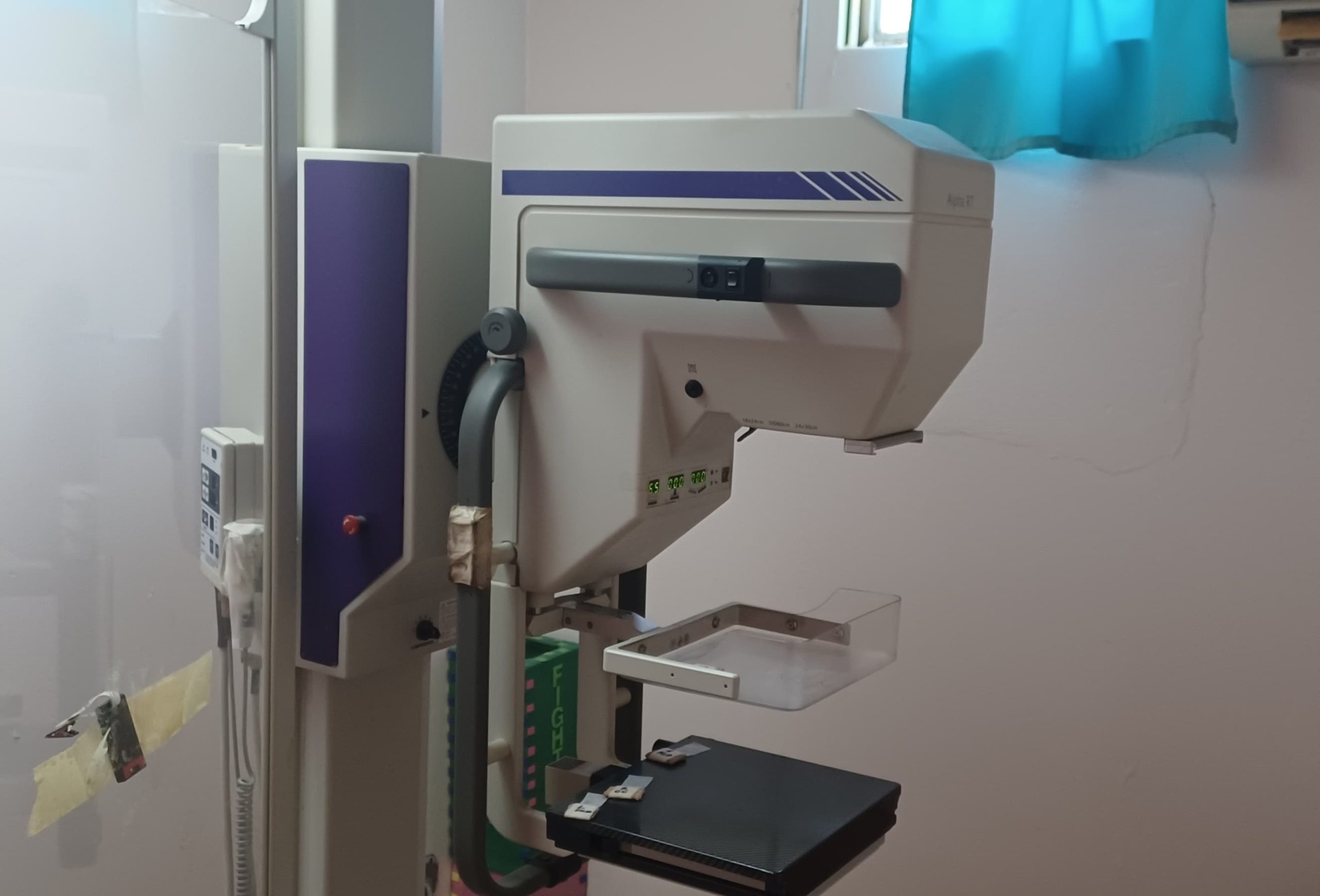
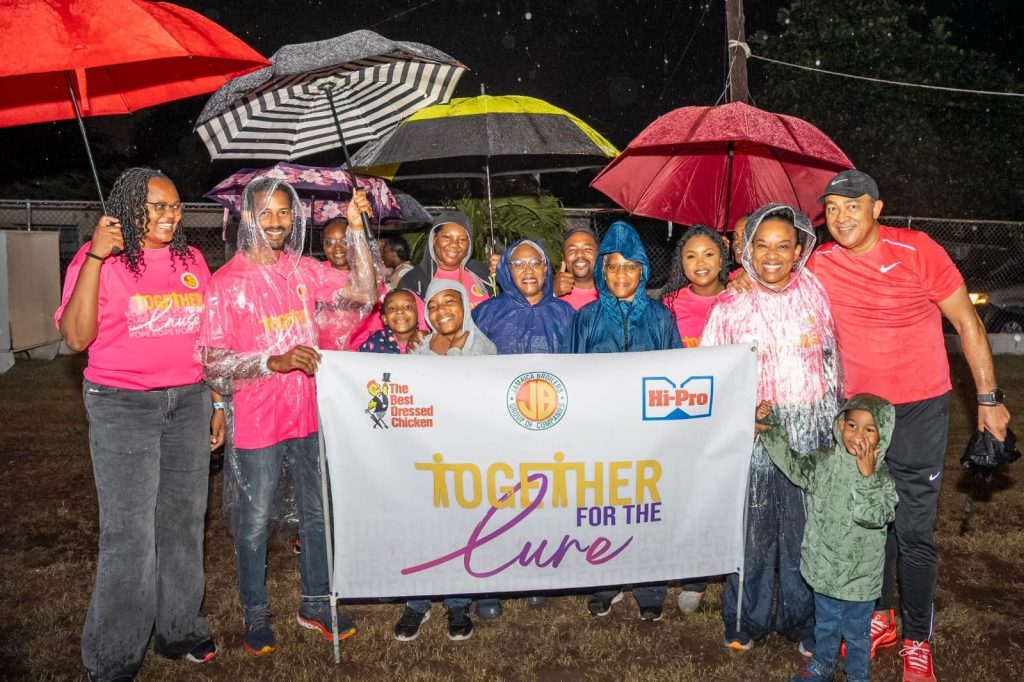
The Jamaica Cancer Society (JCS) is calling on Jamaicans around the world to help save lives by supporting its campaign to raise J$50 million for a new state-of-the-art digital mammography machine.
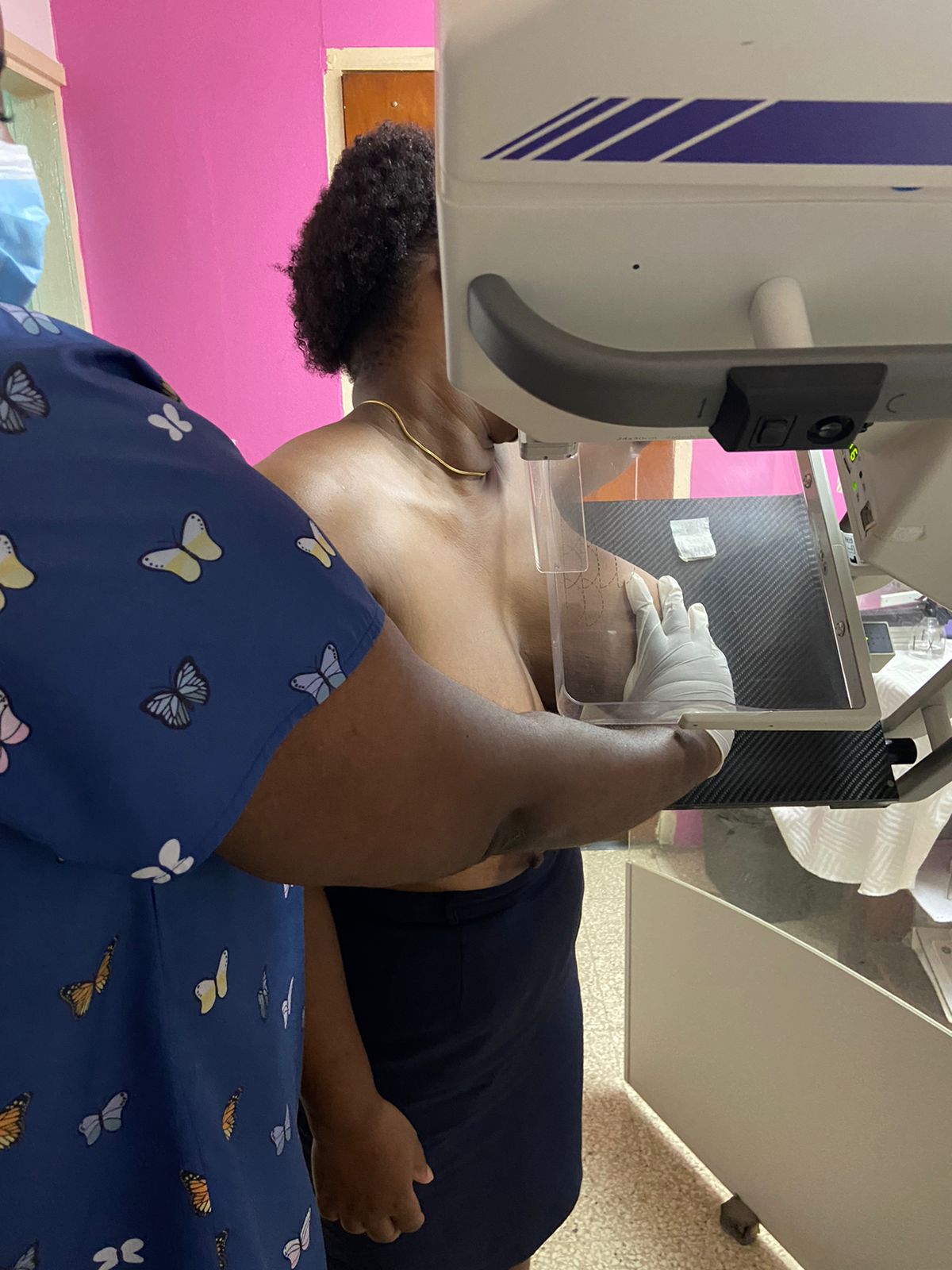
The appeal comes as the Society works to replace its aging mammography unit, which has served thousands of women but is nearing the end of its operational life. The new equipment will improve breast cancer detection, reduce patient discomfort, and help ensure women continue to have access to life-saving screening services.
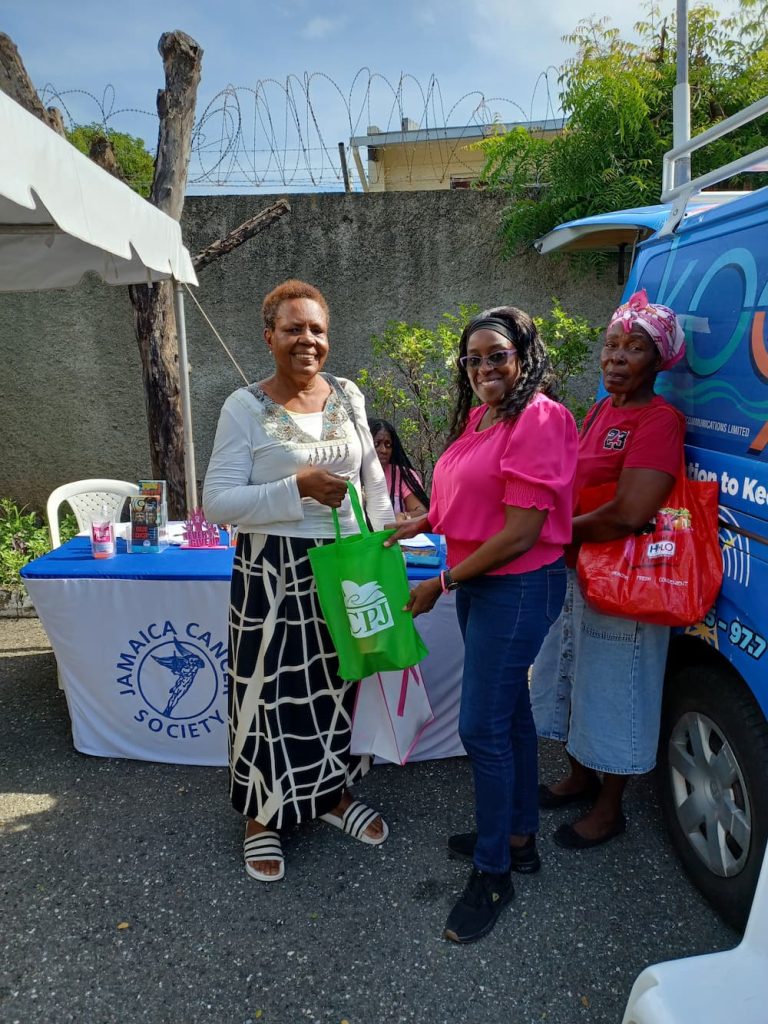
The fundraising campaign was among the initiatives highlighted during the recent 11th Biennial Jamaica Diaspora Conference in Montego Bay, where the Jamaica Cancer Society encouraged members of the diaspora to support the effort through financial contributions and by helping to raise awareness.
A Critical Need
Breast cancer remains the most commonly diagnosed cancer among Jamaican women and the leading cause of cancer-related deaths. According to the Global Cancer Observatory (GLOBOCAN) 2022 report, 1,327 Jamaican women were diagnosed with breast cancer while 684 lost their lives to the disease.
The Jamaica Cancer Society believes many of these outcomes can be improved through earlier detection.
The Society’s Mammography Department screened more than 5,000 women from every parish in Jamaica during 2025. In previous years, however, it routinely screened more than 10,000 women annually. The decline reflects the increasing downtime and maintenance challenges associated with its aging equipment, which is becoming more expensive to keep operational.
The replacement digital mammography machine will provide clearer, layered images that improve the early detection of breast cancer while making the screening process more comfortable for patients. Earlier diagnosis significantly increases treatment options and survival rates. Once acquired, the machine will be installed at the Jamaica Cancer Society’s headquarters on Lady Musgrave Road in Kingston, where thousands of women receive breast cancer screening services each year.
Fundraising Impacted by Hurricane Melissa
The campaign was launched as part of the Society’s 70th anniversary celebrations through its Early Detection Saves Lives Radio Telethon, held in partnership with Gospel Ja FM.
Originally scheduled for October 28, 2025, the telethon had to be postponed after Hurricane Melissa made landfall in Jamaica that same day. Although the rescheduled event on December 12 successfully raised public awareness, the country’s post-hurricane recovery affected fundraising efforts.
To date, the Society has raised J$915,000 toward its J$50 million goal. A quotation obtained in 2025 placed the cost of the new digital mammography machine at more than US$350,000.
The Society had hoped to commission the equipment by the end of 2026, marking its 70th anniversary. However, with fundraising still well short of its target, it is now aiming to have the machine operational in early 2027.
An Appeal to Jamaicans at Home and Abroad
Shullian Brown, Fundraising and Public Relations Officer at the Jamaica Cancer Society, said the organisation is depending on the support of individuals, businesses, charitable foundations and the Jamaican diaspora to make the project a reality.
“Women continue to lead households in Jamaica and are often the primary breadwinners for their families. We cannot afford to lose them to a disease that can be detected early through an annual mammogram,” Brown said.
She added that the new equipment will help the Society continue providing life-saving screening services to underserved women across Jamaica.
“This is an urgent appeal for support to help us purchase a new digital mammography machine so that we can continue providing underserved women across Jamaica with access to life-saving breast cancer screening. Early detection remains one of the most effective tools in the fight against breast cancer, and with the support of the public, corporate Jamaica, and the Diaspora, we can continue saving lives through timely diagnosis.”
How to Help
The Jamaica Cancer Society is encouraging supporters to contribute financially, organise fundraising activities, increase public awareness and connect the organisation with potential donors and partners.
Donations can be made through the Society’s website, where contributors are asked to select “New Mammography Machine” as the purpose of their donation. For more information contact Shullian Brown at 1-876-564-4007 or email her at fundraising@jcs.live.
For 70 years, the Jamaica Cancer Society has worked to reduce the impact of cancer through education, prevention, screening, patient support and advocacy. Through this campaign, the organisation hopes Jamaicans both at home and abroad will help ensure that thousands more women continue to have access to the early detection services that save lives.
Rastafari is one of the Caribbean’s most influential religious and cultural movements. Born in Jamaica and carried across the world partly through reggae music, its ideas of African identity, liberation and resistance have become recognised globally.
Yet the people who live the faith have faced generations of discrimination because of their appearance, beliefs and religious practices. Members of Rastafari communities have been excluded from schools, denied employment, arrested, imprisoned and subjected to the forcible cutting of their dreadlocks.
That contradiction is what gives new action by the Caribbean Community (CARICOM) particular significance.
CARICOM plans to convene representatives from member states and other key stakeholders to examine issues affecting Rastafari communities across the region and internationally. The decision was made by Caribbean leaders at the Forty-second Inter-Sessional Meeting of the Conference of Heads of Government on 8 May 2026.
The initiative could mark an important step towards moving Rastafari rights from individual national debates to a coordinated regional agenda.
Here are seven things to know about the history of discrimination against Rastafari across the region and CARICOM’s initiative to address their longstanding grievances.
1. Rastafari Is More Than a Cultural Symbol
Although Rastafari imagery, language and music have become closely associated with Jamaica and the wider Caribbean, Rastafari is a distinct religious and cultural community.
The movement has roots in Jamaica’s history of resistance, Marcus Garvey’s teachings on African liberation and the coronation of Ethiopian Emperor Haile Selassie I. While beliefs and practices vary among its different orders, Rastafari has long promoted African identity, spiritual freedom and resistance to colonial oppression.
Recognising Rastafari only as a cultural brand while failing to protect those who practise the faith has remained a major concern for the community.
2. Discrimination Has Continued for Generations
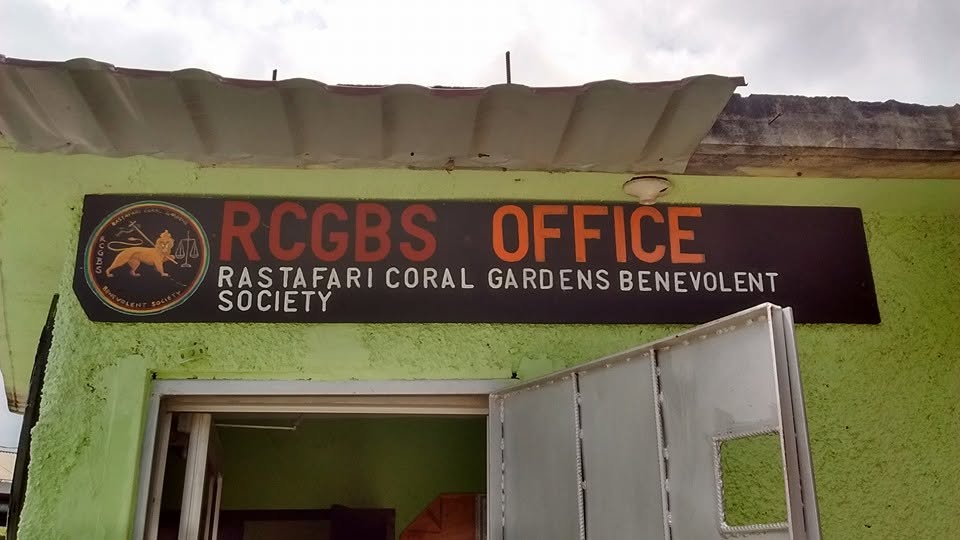
Rastafari communities have endured decades of discrimination, harassment and state persecution across the Caribbean. In Jamaica, one of the most notorious examples was the 1963 Coral Gardens incident. Following violence near Montego Bay, numerous Rastafari were detained, arrested, beaten and forcibly trimmed by agents of the State. The Jamaican Government formally apologised for the brutality, injustice and repression in 2017 and established a trust fund for survivors.
Despite this acknowledgement, CARICOM says Rastafari continue to experience discrimination and marginalisation in education, employment and public life, both within the Caribbean and internationally. Members of the community still face harassment, arrest and social exclusion because of their dreadlocks and sacramental use of ganja, even after Jamaica decriminalised possession of small quantities and legally recognised its use for Rastafari religious purposes. Rastafari children and adults have also faced barriers to education and employment because of their hair and religious identity.
3. A Recent US Supreme Court Case Shows the Issue Is Not Only Historical
The forcible cutting of dreadlocks remains a current religious-rights issue beyond the Caribbean.
In 2020, Louisiana prison officials restrained Damon Landor, a member of the Rastafari faith, and shaved dreadlocks he had grown for more than 20 years. Landor had presented officials with documentation supporting his right to keep his hair, but it was disregarded.
On 23rd June 2026, the United States Supreme Court ruled 6–3 that Landor could not seek monetary damages from the individual prison officials under the Religious Land Use and Institutionalized Persons Act.
Importantly, the Court did not rule that shaving his hair was lawful. The decision concerned whether that particular federal law allowed him to recover damages from the officers personally. Justice Ketanji Brown Jackson warned in her dissent that prisoners who suffer even blatant violations of their religious freedom could often be left without a meaningful remedy. US Supreme Court ruling
The case demonstrates why legal recognition alone is not always enough. Rights must also be supported by clear enforcement and avenues for redress when they are violated.
CARICOM plans to bring together representatives from member states and other key stakeholders to examine the concerns of Rastafari communities.
The meeting is expected to consider how governments can address discrimination and strengthen the recognition and protection of Rastafari rights. CARICOM has not yet announced a date or venue.
The involvement of Rastafari representatives will be critical to ensuring that the process is shaped by the experiences and priorities of the community itself.
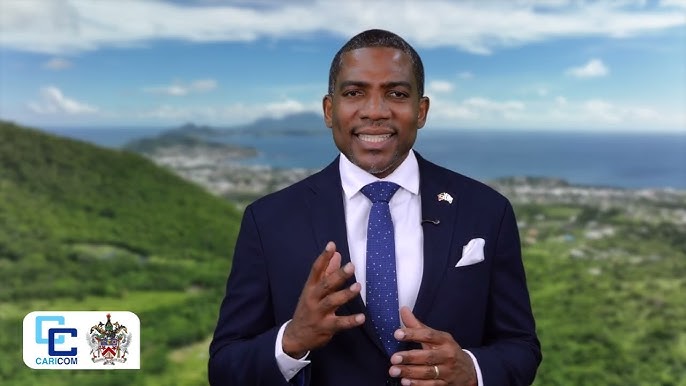
St. Kitts and Nevis Prime Minister Dr. Terrance Drew announced the establishment of a committee.
5. Five Countries Will Serve on a Special Committee
Regional leaders agreed to establish a committee comprising representatives from Barbados, Jamaica, St Kitts and Nevis, Saint Vincent and the Grenadines, and Trinidad and Tobago.
The committee will advance consideration of issues affecting Rastafari at the regional and international levels and help guide the next stages of the initiative.
Its establishment suggests that the regional meeting is intended to begin a broader process rather than serve as a one-time discussion.
6. Existing National Initiatives Could Inform Regional Action
CARICOM has highlighted measures already introduced by some member states, including official apologies, land grants and legislation protecting people from workplace discrimination.
These initiatives could help shape a coordinated regional approach while allowing individual countries to respond through their own laws and institutions.
A regional framework could also help establish common principles on matters such as religious expression, access to education and employment, treatment in prisons and other state institutions, and remedies when rights are violated.
Why This Initiative Matters
For decades, the Caribbean and the wider world have embraced the music, language, imagery and cultural influence associated with Rastafari. The people who practise the faith, however, have not always received the same acceptance or protection.
CARICOM’s initiative creates an opportunity to confront that contradiction.
Its significance will ultimately depend on what follows the meeting: whether Rastafari communities are meaningfully included, whether governments identify enforceable reforms and whether the committee produces recommendations that lead to measurable change.
The process is still at an early stage, but formally placing Rastafari rights on CARICOM’s regional agenda is an important acknowledgement that discrimination against the community is not merely a matter of history. It remains a current human-rights issue requiring coordinated action.
Today's forecast: • Temps chaud, légèrement brumeux et venteux par endroits avec un
ciel peu nuageux à nuageux en après-midi et en soirée.
Valable jusqu'au 23 juillet 2026
Valable jusqu'au 23 juillet 2026
Situation synoptique dans la Caraïbe et sur l'Atlantique
Sans changements significatifs, Le système anticyclonique de
l'Atlantique combiné à la brume de sable saharienne continue en
cette fin d'après-midi de provoquer un temps sec ou moins humide
avec des températures élevées sur l'Ile d'Haiti. Certaines averses
de pluies isolées localement soutenues et parfois orageuses à la
merci des effets locaux et du cycle diurne restent toutefois
possibles sur certains départements du pays en fin d'après-midi et
en soirée.
Par ailleurs, les conditions de tempête tropicale se propagent vers
l'ouest le long des portions côtières de la région côtière de la
Floride. BERTHA se situe actuellement à environ 170 km OSO de
Panama City, en Floride avec des vents soutenus maximum de 95 km/h
et se déplace vers le nord-ouest à environ 79km/h. Selon les
prévisions de trajectoire, cette perturbation tropicale ne
représente aucune menace pour Haïti.
Prévision pour Haïti
• Temps chaud, légèrement brumeux et venteux par endroits, avec
un ciel peu nuageux à nuageux en fin d'après-midi et en
soirée ;
• Température maximale prévue : 34 à 38 °C ; température minimale
prévue : 20 à 24 °C ;
• Certaines averses isolées parfois soutenues et orageuses sont
prévues en fin d'après-midi et en soirée sur plusieurs zones du
Sud, de la Grand 'Anse, de l'Ouest, du Nord et du Nord'Est.
Note
En raison de la persistance d'une forte sensation de chaleur liée à
la saison estivale, à la brume de poussière saharienne et au
dérèglement climatique , l'UHM, en concertation avec les autorités
concernées, appelle la population à la vigilance et recommande
d'adopter les mesures suivantes pour limiter les effets de la
chaleur :
• Boire régulièrement de l'eau, même sans sensation de soif, afin
d'éviter la déshydratation;
• Éviter les expositions prolongées au soleil, surtout entre 10 h
et 16 h ;
• Porter des vêtements légers, amples et de couleur claire ;
• Réduire les activités physiques intenses durant les heures les
plus chaudes de la journée ;
• Surveiller les enfants, les personnes âgées et celles souffrant
de maladies chroniques ;
Tendance pour les deux prochains jours :
Mercredi et jeudi : Temps sec ou moins humide en journée.
Cependant, il devrait être un peu plus humide d'ici le milieu
d'après-midi en lien avec la proximité d'un creux en altitude au
Nord du pays. Des averses un peu plus généralisées et plus
soutenues accompagnées des orages y sont à cet effet prévues,
notamment sur les départements du Centre, de l'Ouest, du Nord, de
l'Artibonite, des Nippes, du Sud et de la Grande Anse en après-midi
et en soirée.
Prévision pour Port-au-Prince et ses environs
• Temps chaud, légèrement brumeux et venteux par endroits avec un
ciel peu nuageux à nuageux en après-midi et en soirée.
Today's forecast: • Temps chaud, légèrement brumeux et venteux par endroits avec un
ciel peu nuageux à nuageux en après-midi et en soirée.
Valable jusqu'au 23 juillet 2026
Valable jusqu'au 23 juillet 2026
Situation synoptique dans la Caraïbe et sur l'Atlantique
Le système anticyclonique de l'Atlantique combiné à la brume de
sable saharienne continue de provoquer un temps sec ou moins humide
avec des températures élevées sur l'Ile d'Haiti. Certaines averses
de pluies isolées localement soutenues et parfois orageuses à la
merci des effets locaux et du cycle diurne restent toutefois
possibles sur certains départements du pays en fin d'après-midi et
en soirée.
Par ailleurs, la dépression tropicale n°2 s'est transformée en
tempête tropicale nommée BERTHA et se situe actuellement à environ
165 km SSO de Panama City, en Floride avec des vents soutenus
maximum de 85 km/h et se déplace vers le nord-ouest à environ
7 km/h. Selon les prévisions de trajectoire, cette perturbation
tropicale ne représente aucune menace pour Haïti.
Prévision pour Haïti
• Temps chaud, légèrement brumeux et venteux par endroits, avec
un ciel peu nuageux à nuageux en fin d'après-midi et en
soirée ;
• Température maximale prévue : 34 à 38 °C ; température minimale
prévue : 20 à 24 °C ;
• Certaines averses isolées parfois soutenues et orageuses sont
prévues en fin d'après-midi et en soirée sur plusieurs zones du
Sud, de la Grand 'Anse, de l'Ouest, des Nippes, du Centre et de
l'Artibonite.
Note
En raison de la persistance d'une forte sensation de chaleur liée à
la saison estivale, à la brume de poussière saharienne et au
dérèglement climatique , l'UHM, en concertation avec les autorités
concernées, appelle la population à la vigilance et recommande
d'adopter les mesures suivantes pour limiter les effets de la
chaleur :
• Boire régulièrement de l'eau, même sans sensation de soif, afin
d'éviter la déshydratation;
• Éviter les expositions prolongées au soleil, surtout entre 10 h
et 16 h ;
• Porter des vêtements légers, amples et de couleur claire ;
• Réduire les activités physiques intenses durant les heures les
plus chaudes de la journée ;
• Surveiller les enfants, les personnes âgées et celles souffrant
de maladies chroniques ;
Tendance pour les deux prochains jours :
Mercredi et jeudi : Sans changements significatifs, le temps sera
toujours sec ou moins humide avec toutefois le risque des averses
isolées en lien avec la proximité d'un creux en altitude du Nord du
pays en après-midi et en soirée.
Prévision pour Port-au-Prince et ses environs
• Temps chaud, légèrement brumeux et venteux par endroits avec un
ciel peu nuageux à nuageux en après-midi et en soirée.
La 23e édition de la Coupe du monde s’est bouclée par le sacre de l’Espagne sur l’Argentine au MetLife Stadium. L’instance suprême du football a mis à jour son classement après la compétition. Haïti a chuté à la 88e place avec 1264 points au compteur.
Pour son grand retour au mondial, la sélection haïtienne a hérité d’un tirage corsé avec pour adversaires : l’Écosse, le Brésil ou encore le Maroc. Les bleu et rouge n’avaient donc pas la faveur des statistiques. Au final, ils n’ont pas réussi à prendre le moindre point même face aux Écossais.
Ces résultats négatifs n’ont pas été sans conséquences, le onze national a perdu une bagatelle de 5 places et se trouve désormais au 88e rang. Il comptabilise 1264 points. Duckens Nazon et ses coéquipiers tenteront de redresser la barre lors de la prochaine échéance.
À noter que le bijou de Wilson Isidor figure dans la liste des plus beaux buts de la compétition.
Televizyon Lakay
Jwe Jwèt Gratis!
Quiz, Solitaire ak Mo Kaché Jwèt Ayiti & Karayib — 100% gratis!