Jamaica has produced no shortage of world-class thinkers, and among them is Orlando Patterson, OJ OM the Jamaican-born sociologist, historian, novelist and public intellectual whose work has helped shape global understanding of slavery, freedom, race and postcolonial society.
Born Horace Orlando Patterson in Westmoreland, Jamaica, on June 5, 1940, Patterson grew up in May Pen, Clarendon and went on to become one of the Caribbean’s most influential scholars. He is the John Cowles Professor of Sociology at Harvard University and is internationally recognised for his scholarship on slavery, social death, freedom, race relations and development.
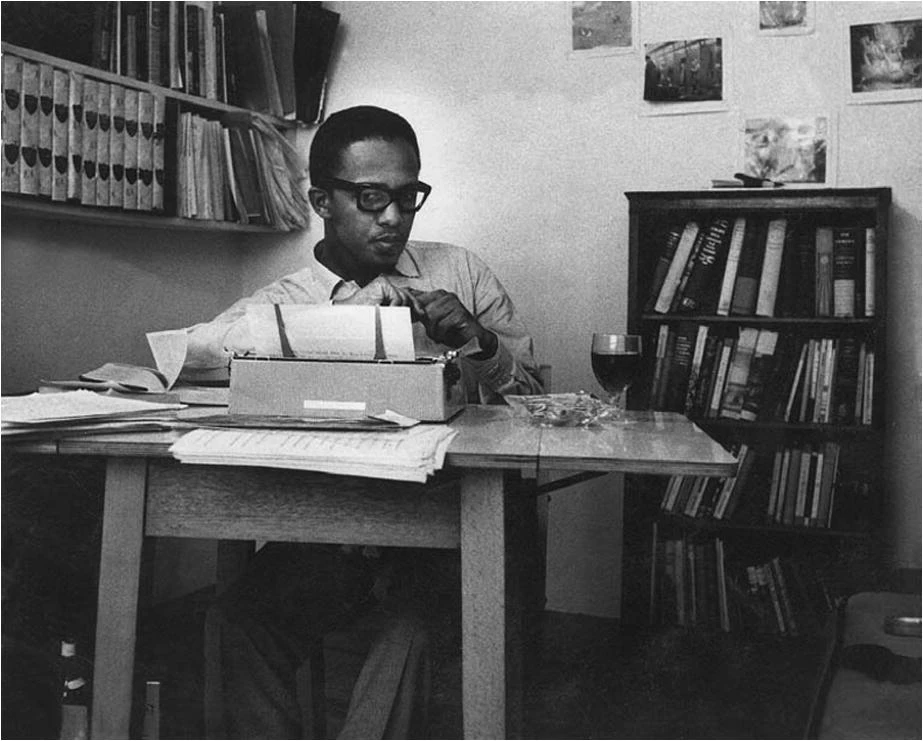
Patterson attended Kingston College before earning a degree from the University of the West Indies and later a doctorate in sociology from the London School of Economics. After teaching at both institutions, he joined Harvard’s faculty in 1971, beginning an academic career that would span decades and establish him as one of the most important voices on slavery and freedom in the modern era.
He is perhaps best known for his groundbreaking work on slavery and the concept of “social death,” most notably in his landmark 1982 book Slavery and Social Death: A Comparative Study. His 1991 book Freedom in the Making of Western Culture won the U.S. National Book Award for Nonfiction and further cemented his reputation as one of the leading thinkers on the historical meaning of freedom. His later works include The Cultural Matrix, The Confounding Island: Jamaica and the Postcolonial Condition, The Paradox of Freedom, and most recently Enslavement: Past and Present.
While Patterson built an international academic reputation, he also remained deeply engaged with Jamaica’s development. From 1972 to 1980, he served as Special Adviser on Social Policy and Development to Prime Minister Michael Manley, contributing to policy work aimed at improving the lives of the urban poor and addressing inequality in post-independence Jamaica. More recently, he chaired Jamaica’s Education Transformation Commission, helping to shape recommendations for reforming the country’s education system.`
Patterson’s work has never been confined to academia. At just 23 years old, he published his first novel, The Children of Sisyphus, to considerable acclaim, beginning a parallel career as a novelist alongside his scholarship. His fiction also includes An Absence of Ruins and Die the Long Day, while his essays and commentary have appeared in publications such as The New York Times, The Washington Post, Time, Newsweek and The Jamaica Gleaner.
Beyond his books, Patterson has remained an active public commentator on race, inequality, immigration and Black life in the United States and Britain, bringing historical depth to contemporary debates about democracy, belonging and the legacies of slavery.
His contributions have earned him numerous honours over the course of his career, including the National Book Award, the Anisfield-Wolf Book Award for Lifetime Achievement, Jamaica’s Gold Musgrave Medal, and the Order of Merit, one of the country’s highest national honours. In 2023, he was awarded the Barry Prize for Distinguished Intellectual Achievement, which recognised the global impact of his scholarship on slavery, poverty, bigotry and human freedom. The following year, he was also awarded the Hegel Prize, adding to a long list of international honours that reflect the reach and significance of his work.
For many Jamaicans, Orlando Patterson may not be as instantly recognisable as the country’s musicians or athletes, but his impact is no less significant. Through decades of scholarship, public commentary and service, he has helped the world think more deeply about slavery, freedom, race, inequality and the unfinished legacies of colonialism. That makes him not only one of Jamaica’s most accomplished intellectuals, but also one of its most important global voices.

