
By Dr Tariq Jagnarine
Fam Med
Most of us will experience a cut, scrape, blister, or small wound at some point. Many heal without difficulty when they are cleaned and protected properly.
But not every wound behaves normally.
Some wounds remain open, repeatedly break down or slowly become larger. These are often called chronic or hard-to-heal wounds, and they deserve much more attention, particularly in people living with diabetes, poor circulation, or reduced mobility. Chronic wounds commonly occur on the feet and lower legs and may result from diabetes, poor arterial circulation, problems with the leg veins, or prolonged pressure on the skin.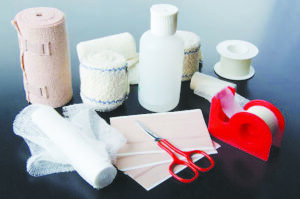
The message for patients is simple:
Clean it. Cover it. Check it. And if it isn’t healing, get it assessed.
First: Caring for a new wound
For a small uncomplicated cut or scrape:
1. Stop the bleeding
Apply firm pressure with clean gauze or cloth.
2. Clean it
Wash your hands and gently rinse the wound with clean water. Remove obvious surface dirt if this can be done safely.
3. Cover it
Use a clean dressing or plaster to protect the wound.
4. Check it daily
Look for increasing redness, swelling, warmth, pain, discharge or an unpleasant smell.
Do not repeatedly disturb a wound that is healing well.
And do not assume that every wound requires antibiotics. Antibiotics are used when there is an appropriate clinical indication, particularly when infection is present.
But what if the wound doesn’t heal?
A wound that remains open or fails to progress despite appropriate care may be considered chronic. Definitions vary, but chronic wounds are generally wounds that have not begun healing appropriately over several weeks.
Common chronic wounds include:
• Diabetic foot ulcers
• Venous leg ulcers, often associated with swollen legs and problems with the veins.
• Arterial ulcers, caused by inadequate blood flow.
• Pressure injuries or bedsores, particularly in people who spend long periods in bed or in a chair.
This distinction matters because a chronic wound is often a sign of an underlying problem.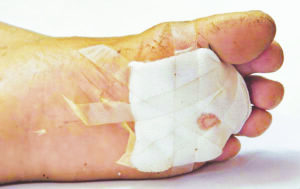
Simply changing the dressing again and again may not be enough.
Diabetes changes the wound-care conversation
If you have diabetes, even a small foot wound deserves attention.
Over time, diabetes may damage the nerves in the feet. This can reduce sensation, meaning that you may develop a blister, cut or sore without feeling much pain. Diabetes can also reduce blood flow to the feet, making wounds more difficult to heal and increasing the risk of infection.
This is why a diabetic foot ulcer may look small but become a serious medical problem.
Infection in a diabetic foot wound can progress, and ulcers that fail to heal can ultimately threaten the toe, foot or limb. Early detection and treatment greatly reduce the risk of serious complications.
If you have diabetes: check your feet every day
Look at the top, bottom, sides, heels and between the toes.
Look for:
• Cuts or cracks
• Blisters
• Red areas
• Swelling
• Corns or calluses
• Drainage
• Colour changes
• Warm areas
• Any new sore or ulcer
If you cannot see underneath your feet, use a mirror or ask someone you trust to help. Daily foot inspection is specifically recommended because diabetic nerve damage may prevent you from feeling an injury.
Don’t wait for a diabetic foot wound to become “chronic”
This is particularly important.
A person without major medical problems may observe a small uncomplicated wound for a short period while it heals.
A person with diabetes should not wait several weeks to see whether a foot wound becomes chronic.
A new blister, ulcer, break in the skin, infected nail, or unexplained red or swollen area should be assessed early, particularly if there is neuropathy, previous ulceration, or poor circulation. CDC guidance advises people with diabetes not to wait for their next routine appointment when significant foot changes develop.
Why do chronic wounds keep returning?
A wound cannot heal properly if the underlying reason for the wound is never addressed.
For example:
Diabetic wound: blood glucose control, pressure on the foot, neuropathy, and circulation may all need assessment.
Venous leg ulcer: problems returning blood from the legs may contribute to swelling and skin breakdown. Compression can be an important treatment for appropriate venous disease, but it should follow clinical assessment because arterial circulation must also be considered.
Arterial wound: poor blood supply may prevent oxygen and nutrients from reaching the tissue adequately.
Pressure injury: prolonged pressure must be relieved; simply placing another dressing over the area does not remove the cause.
This is why chronic wound management sometimes requires several professionals working together.
Warning signs: get help
Seek medical attention if a wound has:
• Increasing redness, swelling or warmth
• Increasing pain
• Pus or foul-smelling drainage
• Black or dying tissue
• Fever or feeling unwell
• Rapidly increasing size
• Persistent bleeding
• Exposed deeper tissue
• Failed to improve
• Repeatedly healed and reopened
For someone with diabetes, new foot wounds deserve particularly early assessment, even when they are painless. Diabetic neuropathy can make significant wounds surprisingly painless.
What about home remedies?
Be careful.
Patients sometimes place powders, herbal preparations, alcohol, strong antiseptics, or other substances directly into open wounds.
A chronic wound should instead be properly assessed to determine why it is not healing.
The appropriate dressing depends on the type of wound, amount of drainage, surrounding skin, circulation, pressure, and whether infection is present.
There is no single dressing that is best for every wound.
Some of the most serious wounds begin with something that appears insignificant.
A patient with diabetes may say: “Doctor, it was only a little blister.”
But if that person has reduced sensation and poor circulation, that blister can become an ulcer before they realise how serious the problem is.
That is why wound care should not focus only on the wound we can see.
We must also ask:
Why did this wound develop?
Is the blood supply adequate?
Is there infection?
Is pressure preventing healing?
Is diabetes adequately controlled?
And what can we do to stop this wound from returning?
A dressing covers a wound.
Good wound care treats the patient and the cause.
For a simple wound:
CLEAN IT. COVER IT. CHECK IT.
For a wound that is not healing:
DON’T JUST KEEP DRESSING IT – FIND OUT WHY.
And if you have diabetes:
CHECK YOUR FEET EVERY DAY.
DON’T IGNORE A CUT, BLISTER OR SORE, even if it doesn’t hurt.
Early attention to chronic wounds can prevent infection, hospitalisation, and potentially limb-threatening complications.
The post Wound care: From simple cuts to chronic wounds appeared first on Guyana Times.

