
By Dr Tariq Jagnarine
Fam Med, Endocrinology
A stroke can change a life in minutes. A person may be speaking normally, walking independently, and carrying out everyday activities, then suddenly develop weakness, difficulty speaking, loss of vision, or collapse. For this reason, strokes must never be treated as something to “watch and see”. A stroke is a medical emergency, and every minute matters.
The World Health Organisation (WHO) estimates that approximately one in four adults may experience a stroke during their lifetime. In 2021 alone, there were an estimated 11.9 million new strokes worldwide. Yet many strokes are linked to risk factors that can be identified and treated long before an emergency occurs.
What is a stroke?
The brain requires a continuous supply of oxygen-rich blood. A stroke occurs when that blood supply is interrupted.
There are two major types.
An ischaemic stroke occurs when a blood clot blocks an artery supplying the brain. This is the most common type.
Haemorrhagic stroke occurs when a blood vessel ruptures and bleeding develops within or around the brain.
A Transient Ischaemic Attack (TIA), sometimes called a “mini-stroke”, occurs when blood flow to part of the brain is temporarily interrupted. Symptoms may disappear after a few minutes or hours, but this should never be reassuring. A TIA can be an important warning that a major stroke may follow.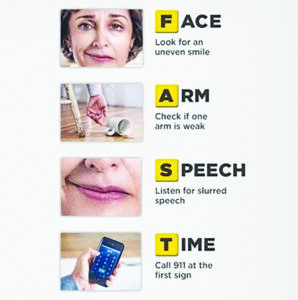
Learn to recognise strokes: BE FAST
Everyone should know the warning signs.
B – Balance: Sudden dizziness, loss of balance, or difficulty walking.
E – Eyes: Sudden loss or change in vision in one or both eyes.
F – Face: Ask the person to smile. Is one side of the face drooping?
A – Arms: Ask the person to raise both arms. Is one arm weak, numb or drifting downward?
S – Speech: Is speech slurred, confused or difficult to understand?
T – Time: Seek emergency medical attention immediately.
Other warning signs can include sudden severe headache, confusion, numbness or weakness affecting one side of the body.
Do not wait for the symptoms to improve. Do not allow the person to “sleep it off”, and do not delay while trying home remedies. Record, if possible, the exact time the person was last known to be normal, because this can influence treatment decisions.
Importantly, do not automatically give aspirin to someone with suspected stroke. A brain scan is generally required to determine whether the stroke is caused by a clot or bleeding, and aspirin could worsen some haemorrhagic strokes.
Prevention begins long before the stroke
Stroke prevention is largely about protecting the blood vessels supplying both the heart and brain. Several important risk factors are preventable or treatable.
One of the lessons I am repeatedly reminded of in clinical practice is that a stroke often begins long before the patient arrives with weakness, facial drooping, or difficulty speaking.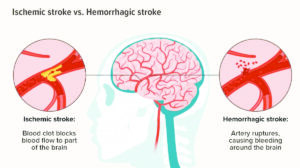
In primary care, we frequently see the warning signs years earlier: persistently elevated blood pressure, poorly-controlled diabetes, abnormal cholesterol, obesity, smoking, sedentary lifestyles, and missed medications. Very often, the patient feels completely well. There may be no pain and no obvious sign that damage is occurring.
That is one of the greatest challenges in prevention.
I have seen patients surprised when we explain that their blood pressure is dangerously elevated because, in their words, “Doctor, I feel fine.” But hypertension does not need to make you feel unwell to damage the blood vessels supplying the brain, heart, and kidneys.
I also encounter patients who stop their blood pressure, diabetes, or cholesterol medication once their numbers improve. They may believe that because the reading has returned to normal, the disease has disappeared. In many cases, however, the improved reading is evidence that treatment is working.
Another common clinical concern is delayed presentation. A person may develop numbness, weakness, or difficulty speaking and wait to see whether the symptoms disappear. Families may initially think the patient is tired, stressed, or simply needs rest. By the time medical care is sought, valuable treatment time may have been lost.
This is why I continuously emphasise to patients and families that sudden neurological symptoms must be treated differently from many other complaints. With a stroke, minutes matter.
What is perhaps most difficult is seeing patients and families cope with the consequences of a condition that, in some cases, might have been prevented or its risk considerably reduced through earlier detection and better control of cardiovascular risk factors.
A stroke does not affect only one person. It can transform an entire household. A previously independent individual may suddenly require assistance with walking, bathing, eating, communication, employment and everyday activities. Family members may become caregivers overnight.
For me, this makes stroke prevention one of the most important responsibilities of primary health care.
We should not wait for the stroke before becoming serious about the blood pressure.
1.Know and control your blood pressure
High blood pressure is one of the most important modifiable risk factors for stroke.
Hypertension often causes no symptoms, which is why it is sometimes called a silent condition. Someone may feel completely well while high blood pressure gradually damages the arteries, heart, kidneys, and brain.
Have your blood pressure checked regularly. If medication has been prescribed, take it consistently. Do not stop treatment simply because your pressure improves – the improvement may be because the medication is working.
2.Control diabetes
Persistently-elevated blood glucose damages blood vessels and accelerates atherosclerosis. People living with diabetes should know their blood glucose and HbA1c results and work with their healthcare provider to achieve appropriate individual targets.
Good diabetes care must also include attention to blood pressure, cholesterol, kidney function, weight, nutrition, and physical activity.
3.Check your cholesterol
High LDL or “bad” cholesterol contributes to fatty deposits within arteries. These deposits may narrow blood vessels or rupture, triggering the formation of blood clots.
Dietary changes are important, but some individuals also require cholesterol-lowering medication such as statins based on their overall cardiovascular risk.
4.Stop smoking
Smoking damages the lining of blood vessels, increases clot formation, and substantially increases cardiovascular risk. Second-hand tobacco smoke should also be avoided.
Stopping smoking remains one of the most powerful steps a person can take to protect the heart, lungs, and brain.
5.Eat to protect your arteries
A heart-healthy diet is also a brain-healthy diet.
Build meals around:
• Vegetables and fruits
• Beans, peas, and other legumes
• Whole grains
• Fish and other lean protein sources
• Nuts and seeds where appropriate
• Healthy unsaturated fats
Reduce excessive salt, heavily-processed foods, sugary drinks, excessive saturated fats and frequent fried foods.
This is especially important in households where salt, seasoning products, and processed meats may be used generously. Much of the sodium we consume may already be hidden within packaged and processed foods.
6.Keep moving
Regular physical activity improves blood pressure, blood glucose, cholesterol, body weight, and cardiovascular fitness.
Adults should generally aim for approximately 150 minutes of moderate-intensity physical activity each week, according to international recommendations.
Walking counts. Gardening counts. Cycling counts. Dancing counts.
Just as importantly, avoid spending most of the day sitting. Even people who exercise can benefit from regularly interrupting prolonged sedentary periods.
7.Maintain a healthy weight
Excess body weight, particularly when associated with hypertension, diabetes, abnormal cholesterol and sleep apnoea, can increase stroke risk.
The goal should not simply be a smaller number on the scale. The aim is sustainable improvement in metabolic and cardiovascular health through nutrition, physical activity, adequate sleep, and appropriate medical management.
8.Know whether your heart rhythm is normal
An irregular heart rhythm called atrial fibrillation can cause blood to pool within the heart, allowing clots to form. A clot may then travel to the brain and cause a stroke.
Some people notice palpitations, shortness of breath or fatigue, while others have no symptoms.
When atrial fibrillation is diagnosed, selected patients may require anticoagulant medication to significantly reduce their risk of stroke.
9.Limit alcohol and avoid illicit drugs
Heavy alcohol consumption can contribute to hypertension, abnormal heart rhythms, and stroke.
Drugs such as cocaine and other stimulants can cause sudden and severe increases in blood pressure, abnormal blood-vessel constriction, bleeding within the brain and stroke – even in younger adults.
Stroke is not only an illness of old age
Age increases the risk of stroke, but younger adults are not immune.
Hypertension, diabetes, obesity, smoking, abnormal cholesterol, certain heart conditions, pregnancy-related complications, clotting disorders and illicit drug use can contribute to stroke at younger ages.
This is why preventive health care should begin early rather than waiting until someone develops symptoms.
Already had a stroke or TIA?
A previous stroke or TIA significantly increases the risk of another event.
Secondary prevention may include tighter control of blood pressure, diabetes and cholesterol; smoking cessation; antiplatelet medicines in appropriate patients; anticoagulation for certain patients with atrial fibrillation; treatment of carotid artery disease where indicated; and lifestyle modification.
Medications should be taken exactly as prescribed. Missing treatment because “I feel better now” can be dangerous.
Rehabilitation is also an essential component of stroke care. Physiotherapy, occupational therapy, speech and language therapy, nutritional support, psychological care and family involvement can help survivors regain independence and improve quality of life.
Protect your brain today
The best stroke is the one that never happens.
Know your blood pressure, blood glucose, cholesterol, weight and cardiovascular risk. Attend routine health checks rather than waiting until illness develops. Take prescribed medicines consistently. Stop smoking. Eat well. Stay physically active and seek medical advice for an irregular heartbeat or previous TIA symptoms.
And remember BE FAST:
Balance. Eyes. Face. Arms. Speech. Time.
When stroke strikes, time lost is brain lost.
But long before that emergency occurs, prevention allows us to change the story. Protect your arteries. Protect your heart. Protect your brain. Prevent stroke before it happens.
The post Stroke: Act fast, prevent early, protect the brain appeared first on Guyana Times.

