Youth Basketball Guyana’s regional tournaments in Regions Six and Ten delivered a series of clinical performances and statement wins.
With heavyweights finding their rhythm and standout individuals rising to the occasion, the road to national glory is becoming increasingly competitive.
In Region Ten, Hururu Secondary emerged as the story of the opening day, securing two emphatic victories that showcased their prowess in both the girls’ and boys’ divisions.
The girls’ opener saw Hururu stifle Mackenzie High in a defensive masterclass, finishing with an 8-0 shutout. Kayann Grimmond was the catalyst for the victors, earning Player of the Game honours with six points and three crucial steals that kept Mackenzie High on the back foot throughout the contest.
The momentum carried directly into the boys’ bracket, where Hururu Secondary dismantled Harmony Secondary in a staggering 49-0 victory.
Breyon Shultz dominated the paint to record a commanding double-double of 16 points and 10 rebounds.
He was ably supported by Peter Roger, who contributed 12 points and seven boards in a performance that signalled Hururu’s intentions for the rest of the tournament.
The day’s most competitive fixture featured a resilient Mackenzie High bouncing back from its earlier disappointment. They edged out Kwakwani Secondary 22-16 in a gritty encounter.
Shaquan Massiah’s 12 points and three steals proved the difference-maker, while Jonathan Sampson’s secondary scoring provided the necessary cushion to hold off a spirited Kwakwani side led by Alanzo Mittleholzer’s six-point, five-rebound effort.
Over in Region Six, the Regional Tournament opened on Friday with J.C. Chandisingh Secondary establishing itself as the team to beat.
Their girls’ squad set the tone with a 20-0 victory over Skeldon Line Path. Jada Minty produced a versatile Player of the Game performance, tallying six points, three assists, and three steals, while Renecia Rose matched her scoring output to ensure a comfortable afternoon.
J.C. Chandisingh’s boys proved just as formidable in the final game of the day, dispatching Manchester Secondary 36-17. Mark Mendonca took centre stage with a clinical 15-point haul, supported by Denaldo Henry’s 10 points.
Despite the best efforts of Jaral Campbell and Lexoy Lovell, who combined for 13 of Manchester’s 17 points, they could not bridge the gap against the well-drilled J.C. Chandisingh outfit.
Between the Chandissingh victories, Skeldon Line Path’s boys found redemption after their school’s earlier loss. They delivered a high-octane offensive display to defeat Lower Corentyne Secondary 45-5.
Daniel Duke led the charge with 10 points, though the victory was a true ensemble effort featuring significant contributions from Chris Promes, Kellon Lyte, and Joel Sukhram.
Joash Benn provided a rare bright spot for Lower Corentyne, battling for four points and four rebounds in the face of relentless pressure.
The ongoing regional qualifiers are made possible through the support of Edward B. Beharry Ltd, G-Boats Inc, the National Sports Commission, the Ministry of Education, and Banks DIH Ltd.
Police last evening (Friday, May 1, 2026) discovered the body of a male at Capoey Lake, Essequibo Coast.
According to a statement from the Guyana Police Force (GPF), ranks received a report at around 18:10h and visited the location where the body of the unidentified male of mixed ancestry was observed lying face up and motionless on the bank of the lake.
The body was partially submerged in water and clad in black underwear. It was examined, and a tattoo bearing the word “ANIMAL,” along with the image of a jaguar, was seen on the upper left arm.
The body was removed from the scene and escorted to the Suddie Public Hospital, where it was examined and certified dead by a doctor on duty. It was then taken to the Suddie Public Hospital Mortuary, where it awaits identification and a post-mortem examination.
Leopold Street cemented their status as the kings of the concrete on Friday night, brushing aside Bent Street B 4-1 to claim the Georgetown zone of the Guinness ‘Greatest of the Streets’ competition.
In front of a packed, high-energy crowd at the National Cultural Centre tarmac, the new champions produced a clinical display of street football to secure the title on the evening of May 1.
While Bent Street B entered the final with high hopes, Leopold Street’s experience and tactical discipline proved too much to handle.
From the opening whistle, the champions-elect dictated the tempo, utilising the tight spaces of the tarmac to carve out a commanding 4-1 victory.
The win sees Leopold Street walk away with the lion’s share of the prize pool and, more importantly, the momentum heading into the next phase of the competition.
Leopold won G$1M while Bent Street ‘B’ had to settle for $400,000.
In the third-place play-off, Island All Stars defeated New Bay Ballers 2-0 to cop $200,000, while the fourth-place team got $100,000.
Earlier in the evening, the Guinness Plate Segment delivered the drama of the night. Gold is Money appeared to be the favourites after dismantling powerhouse Sparta Boss 4-0 in a one-sided semifinal.
However, the final was a much tighter affair. After a 1-1 deadlock with Festival City at the end of regulation time, the match headed to the dreaded “sudden death” penalty shootout. Festival City held their nerve, clinching a 5-4 victory from the spot to take home the Plate title and $50,000.
There is little time for Leopold Street to celebrate as the focus now shifts immediately to the National Championship which are expected to kick off on May 8.
Chennai Super Kings (CSK) outplayed Mumbai Indians (MI) for the second time this season, leaving Hardik Pandya’s men on the brink of elimination.
After misreading pitch No. 6 against Gujarat Titans (GT) last weekend, CSK used pitch No .5 to their advantage on Saturday, limiting MI to 159 for 7.
Their attack kept banging the ball away on good lengths and hard lengths to make life difficult for MI. Ruturaj Gaikwad and Kartik Sharma made light work of the middling target with unbeaten half-centuries.
They now rise to sixth on the points table, with their fourth win in nine games. (ESPNcricinfo)
Lando Norris took McLaren’s first victory of the season with a dominant drive from pole position in the Miami Grand Prix sprint race.
The world champion was untroubled as he converted pole into a lead at the first corner and controlled the race from there.
Norris led a McLaren one-two ahead of Oscar Piastri, who fell back from Norris as the race developed and was forced to hold off Ferrari’s Charles Leclerc in the closing laps.
Kimi Antonelli won a scrap with Mercedes team-mate George Russell for fourth on track, but was penalised for exceeding track limits too many times and given a five-second penalty.
That dropped him behind Russell and Red Bull’s Max Verstappen, who had earlier emerged on top after a tense battle with Lewis Hamilton’s Ferrari.
“Nice to be back on the top step, even if it is the sprint,” said Norris. “It was a good day for us, massive job to the team in bringing the upgrades. It feels like everyone is saying the same thing, but ours have really helped this weekend.” (BBC)
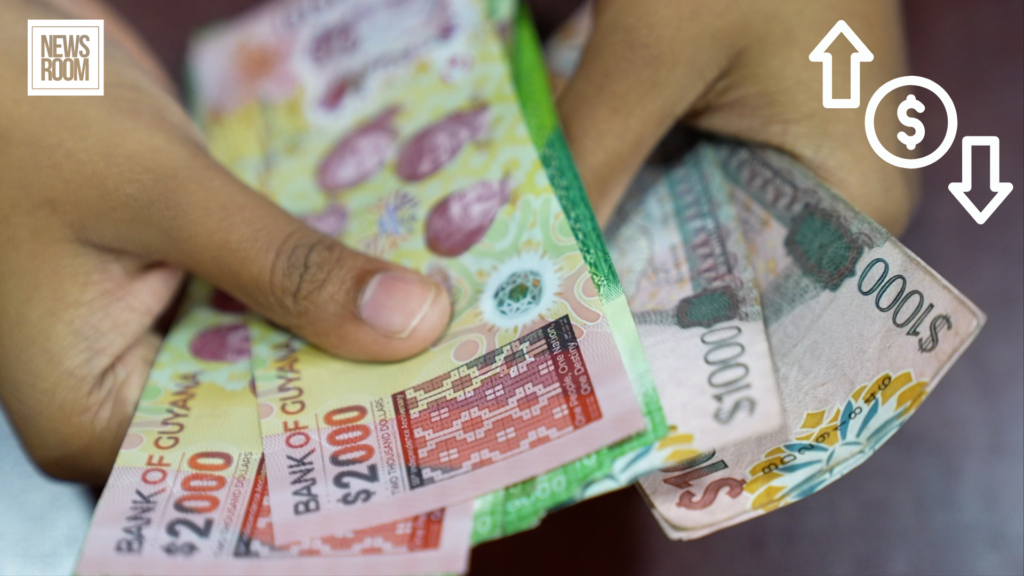
Vice President Dr Bharrat Jagdeo says Guyana needs to produce more to deal with the rising market prices and minimize the effects of the external world conflicts.
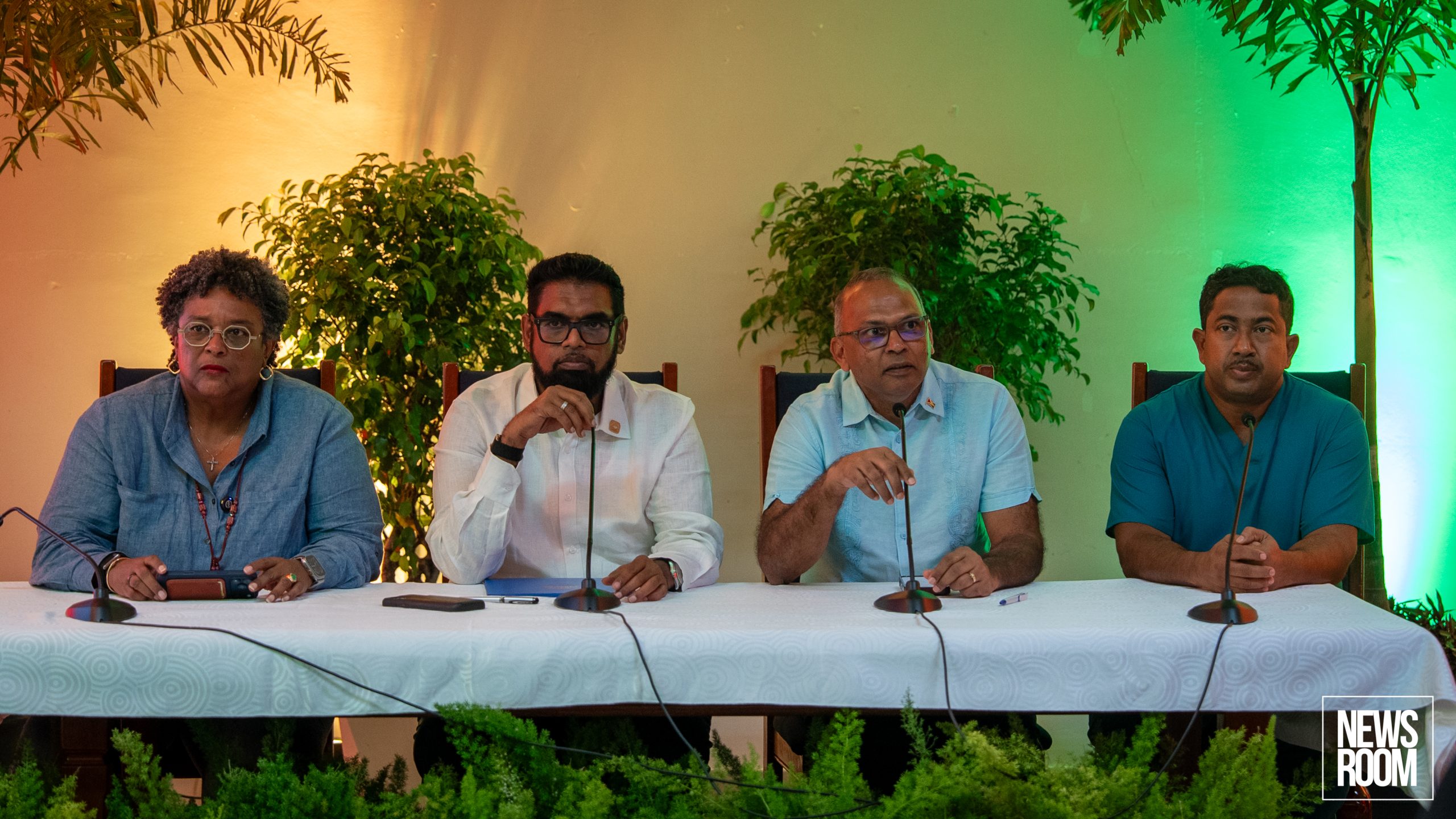
Responding to a question from a farmer during a consultation convened by President Dr Mohamed Irfaan Ali on Thursday at the Arthur Chung Conference Centre, VP Jagdeo explained that Guyana is not producing enough of what its people are now eating, and that this gap is driving up food costs.
VP Jagdeo also acknowledged that local production shortfalls are unfolding against a volatile global backdrop, heightening the urgency of strengthening domestic food security.
The recent conflict between the United States and Iran, which sent shockwaves through the global oil and shipping industries, has added new pressure to an already strained global supply chain.
With oil prices rising and shipping disruptions causing economies to convulse, the cost of imported goods, including food, is expected to climb further in the weeks and months ahead.
For a country that still relies heavily on imports for certain food items, Guyana is not insulated from that reality.
“More people are eating meat now. They’re wealthier, they eat more chicken, they eat more meat and the prices are going up,” the VP said. “We’re not producing enough beef. We’re not producing enough mutton in the country based on what people are eating….so prices keep going up,” he said
The VP pointed to chicken as an example of the local angle of the problem. Vendors buy a piece from producers at $125 and sell it fried for $6.75 USD.
Mutton tells an even sharper story. While a pound costs around $4.99 USD in the United States, it fetches $11 USD here, because the country does not produce enough, and suppliers know it.
The VP used cassava cultivation as another cautionary example, and one that is closer to home.
When the government offered farmers $40 a pound and committed to setting up a processing mill, prices jumped to $125 a pound within weeks, making the entire project unviable before it could start.
Against this backdrop, the VP said the country must either produce more or accept strategic imports. He said leaving prices to climb unchecked places the burden squarely on ordinary Guyanese.
“Guess who gets criticised all the time for cost-of-living increases? The government,” he said.
On rice, traditionally a reliable staple, the VP acknowledged that rising labour costs could one day threaten that stability, making diversification and stronger yields a necessity rather than a choice.
He stressed that with global uncertainty showing no signs of easing, small-scale, low-productivity operations are no longer sustainable, and that livestock and agriculture must be treated as proper industries if Guyana is to keep prices manageable.
“If they go into it as an industry, I’m sure we can compete with any part of the world,” he reasoned stating, “But if you do it at a low productivity level, then the country suffers. Ordinary people suffer.”
Guyana’s drive to improve road safety has recorded a significant milestone, with more than 51,000 e-tickets issued since the rollout of the Safe Road Intelligence System (SRIS), a technology driven initiative aimed at strengthening traffic enforcement and reducing road fatalities.
This was disclosed by Traffic Chief Mahendra Singh according to the Department of Public Information (DPI), where he outlined the impact of the system which became operational on April 1, 2025.
Singh explained that the initiative represents a major shift from previous approaches to road safety.
He noted that it is powered by technology which removes human interference and strengthens accountability in enforcement.
He said the system was designed with safeguards to prevent bias and compromise while ensuring that violations are detected and addressed efficiently.
“This safe road initiative is technologically driven. It is one which has at its core safeguards built in to prevent any biases, any interference, or any form of compromise.”
The traffic chief reported that more than $205 million has already been collected from payments, with over 52 per cent of the 51,000 plus tickets issued being settled by offenders.
He said the system is currently active along major corridors including the Heroes Highway, the Mandela to Eccles Interlink, the East Coast Public Road and parts of Region Three, where noticeable reductions in serious and fatal accidents have been recorded.
While minor collisions still occur, Singh noted that the reduction in severe crashes is a positive indication of improved road safety outcomes in monitored areas.
However, he cautioned that reckless driving behaviour continues to be a challenge, with many motorists still engaging in speeding and unsafe use of roadways.
He also highlighted that drivers are willing to take the risk to get by every space of roadway that is available, they wish to use, whether dangerously or carelessly or negligently.
The Safe Road Intelligence System (SRIS) is not only an enforcement tool but also a deterrent mechanism aimed at changing driver behaviour over time.
He added that as the system continues to expand nationwide, it is expected to further strengthen compliance and support broader efforts to reduce traffic fatalities.
The traffic chief emphasised that road safety is being pursued through a combined approach of enforcement, public awareness and technology driven monitoring, all aimed at creating safer and more responsible road use across Guyana.
Dr. Doobay, a Guyanese who has distinguished himself in the medical field and through his philanthropic endeavours, is helping to support the next generation of doctors at the Toronto Metropolitan University’s School of Medicine.
See below the full article shared by the University’s School of Medicine on Dr. Doobay’s support:
For Dr. Budhendra Doobay, supporting the Toronto Metropolitan University School of Medicine is an extension of a lifetime in medicine—and a belief that future physicians should be trained in close connection with the communities they will serve.
As founder and chairman of VOV Cultural Sabha Inc., Dr. Doobay is guiding the organization’s support as one of the founding donors of TMU’s Brampton campus. In recognition of his support, a Case-Based Learning Room will be named in honour of the Vishnu Temple, supporting collaborative, team-based learning for future physicians.
Dr. Doobay, a retired cardiovascular and thoracic surgeon, professor emeritus at McMaster University and a Member of the Order of Canada, said the decision to support the School was rooted in what he has witnessed throughout his career in medicine.
“I see the challenges patients face in accessing care,” he said. “The TMU School of Medicine is taking an approach that is grounded in the community and focused on preparing physicians to meet those needs. I am proud to support that vision.”
VOV Cultural Sabha Inc. has long played a central role in fostering community well-being through the Vishnu Temple, and this contribution reflects a continuation of that mandate—this time through medical education and system-level impact.
“By building our medical school with community at its core, we are preparing future doctors to care for diverse populations and to help strengthen the healthcare system,” said Dr. Teresa Chan, Dean and Vice President, Medical Affairs at TMU School of Medicine. “Support from community partners like VOV Cultural Sabha Inc. plays an important role in enabling these opportunities for our students.”
The gift underscores a broader theme increasingly shaping medical education: that training physicians is not solely the work of universities and hospitals, but also of the communities they serve.
Guyana’s rapidly rising presence in 3×3 basketball will face another crucial test when the nation competes in the Caribbean Clash Lite Quest tournament in Suriname.
The two-day tournament (May 1-2) sanctioned under FIBA 3×3 framework, will feature eight teams battling not only for regional bragging rights, but for a coveted spot at the FIBA 3×3 Challenger later this month in Brazil, an avenue that could bring the winning team one step closer to the prestigious FIBA 3X3 World Tour.
Akil Hughes, Nikkoloi Smith, Travis Belgrave and Shelroy Thomas will carry the Golden Arrowhead’s hopes in Suriname, with GBF Vice-President Rawle Toney serving as team manager.
Their participation in Suriname has been made possible through critical backing from the National Sports Commission(NSC), Guyana Breweries Inc., and former West Indies cricket star, Ramnaresh Sarwan.
According to the Guyana BasketballFederation (GBF), the tournament serves a dual purpose.
Beyond the immediate goal of qualification, it forms a key part of Guyana’s preparation for upcoming multi-sport events, including the Commonwealth Games and the Central American and Caribbean (CAC) Games.
Both competitions will mark historic first appearances for Guyana in 3×3 basketball, adding further significance to every international exposure opportunity.
Over the past few years, Guyana’s 3×3 programme has been quietly but steadily progressing, with increased participation in regional tournaments and a stronger emphasis on structured preparation.
The GBF noted that the Caribbean Clash Lite Quest now presents a platform to measure that progress against some of the region’s best.
A top finish would not only propel Guyana onto a bigger stage in Brazil, but also reinforce the country’s growing reputation in the fast-evolving world of 3×3 basketball.
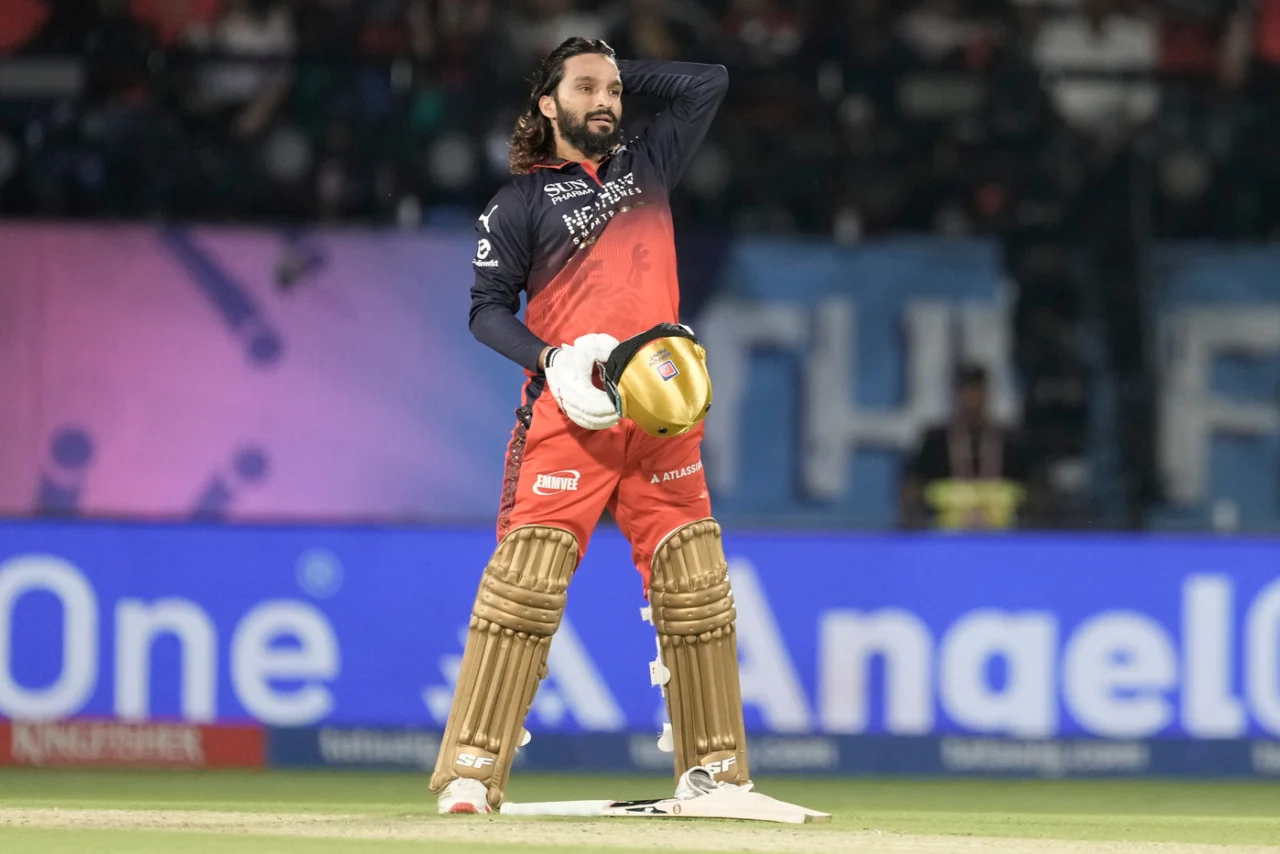
Newly-installed Desert Vipers captain Chris Green says he cannot wait to line up alongside Pakistan all-rounder Shadab Khan when the pair form part of the franchise’s squad for the ExxonMobil Guyana Global Super League (GSL) T20 tournament in July and August.
Off-spinning all-rounder Green, the Australian who is currently in action with Shadab for the Islamabad side in the ongoing Pakistan Super League, has already linked up previously with the dynamic leg-spinner in Australia and the Caribbean.
And now the duo, so effective for whichever sides they play for through the middle overs of opposition innings, will join forces again for the Vipers.
Speaking to the Vipers Voices podcast Green said: “I love bowling with Shadi (Shadab Khan). We have played with each other in the Caribbean before for Guyana, we recently played for the Sydney Thunder in my hometown, and now I am playing in the PSL (Pakistan Super League) with him in his hometown.
“He (Shadab Khan) is a guy I love playing with. He is a dynamic all-rounder. He does it all. I think he is a great leader as well. We have always played with each other both as non-captains and now I am playing underneath him, and it is just his levelness and calmness of his approach that has impressed me watching him captain here.
“I think he is a guy that certainly tries to lead from the front when it comes to his skill set and impact the game and dominate it with bat, ball and in the field.
“If Shadab Khan is performing well, he is going to make my life easier. He is going to make all our lives a lot easier as well. He is going to be a huge (and a) key part of our success with the role that he plays.
“I think individuals can win you games, but squads win you tournaments at the end of the day. So for us as the Desert Vipers it is about coming together in the short period of time that we have and getting the best out of everyone and figuring out our best way to be successful in the conditions in Guyana across the four group games and hopefully a final or two.”
Desert Vipers come to GSL on the back of winning the ILT20 for the first time this year (Photo: CREIMAS/ILT20)
Chris Green was born in South Africa, to a South African father and an English mother.
Both his parents were professional tennis players, and eventually the family moved to Australia, he chose cricket over tennis and has gone on to play for his adopted country.
“My parents both played professional tennis, mum for Great Britain, dad for South Africa. It is obviously an individual sport, but both played at Wimbledon, so they achieved great heights in their own individual careers.
“Tennis was a huge part of my upbringing and still is a big part of my family life and personal life. I learned to walk on a tennis court.
“My mum was a tennis coach and I would constantly spend time around her lessons. Tennis and cricket were my two passions and loves growing up and I could never decide (between them) but I took a little break when I was writing my school exams from both sports just to ensure that I would get good marks to go into college or university, depending on which route I chose.
“College in America was a strong draw card, but ultimately it was the team side of cricket that got me over the line. I enjoyed the team aspect of the game and decided to stay and play cricket in Australia and give it a crack.
“Thankfully, the decision paid off and I got a bit lucky and started playing some cricket and I have progressed nicely from there.”
Chris Green represented Australia in Twenty20 International cricket in India in 2023, and he told Vipers Voices that he was still hopeful of getting a national recall.
“Absolutely,” he said. “That (debut, in India) was a dream come true. It feels a little bit like a one-hit wonder but a lot of hard work and sacrifice went into that moment, so I was incredibly proud for myself and my family, and to have my wife and my dad and my brother there in India with me for my debut was really special.
“I got a glimpse of what cricket in India is like, particularly against those guys. I played one season of the IPL (Indian Premier League) but unfortunately that was in COVID with no crowds in the UAE, so I saw the talent and depth of Indian cricket then in 2020 but did not get to experience the madness and the aura of the IPL, and then at the back end of that T20 series to play and be a part of it was really special and something I will never forget.
“Australia is playing good cricket, there are some fantastic cricketers in there and unfortunately there are a couple of good batters that happen to bowl some decent off-spin as well, so there is not a need for someone playing my role at the moment.
“But I will never stop trying and never stop trying to bash that door down to get another opportunity anywhere in the world because I absolutely loved it and I got hooked on it and for now it is just about putting in consistent performances wherever I go and hopefully that phone call comes again.”
With Chris set to captain the Vipers in Guyana, he also named a mentor who helped on his journey to a leadership role as well as captaincy role models.
“Mike Hussey was and still is a huge mentor of mine in the cricketing world and cricketing scheme of things,” Chris said. “I have had the absolute privilege and honour to play with him, play underneath him recently with him as a coach as well, but often I have reached out to him, flicked him a message and just asked him a few questions.
“He has been very willing and open to share with me and he has taken somewhat of a vested interest in my career which, for a guy like that to be so genuine and giving of his time, I am incredibly grateful for.
“Other guys I have just watched and observed when I have been playing with and against them are Eoin Morgan and Brendon McCullum, for their levelness, their authenticity about their approach and their calmness under pressure.
“I would not say lack of emotion, but they maintained very much a level-headed persona on field. They never got too animated when things were going well or poorly.”
Here is a list of players who will represent the Desert Vipers at the ExxonMobil Guyana Global Super League: