Two words changed the direction of Peter and Andrew’s lives: “Follow me” (Matthew 4:19, KJV). In the first-century Jewish world, discipleship involved far more than attending a teacher’s lectures. A disciple attached himself to a rabbi, learning not only what the teacher knew but also how he lived. When Jesus called Peter and Andrew beside the Sea of Galilee, He was inviting them into that kind of relationship. Matthew tells us, “They straightway left their nets, and followed him” (Matthew 4:20). Their nets represented livelihood, familiarity, and security. They did not yet understand everywhere Jesus would lead them, but they understood enough to follow. That remains at the heart of Christian discipleship: Jesus calls; we respond.
Yet Jesus never concealed what following Him would require. He said, “If any man will come after me, let him deny himself, and take up his cross daily, and follow me” (Luke 9:23). To His original hearers, the cross was not jewelry or a religious symbol; it was an instrument of Roman execution. Jesus was therefore describing radical surrender. Following Him means relinquishing our claim to be lord of our own lives. Sometimes His way will challenge our preferences, relationships, ambitions, comfort, and plans. When a man wanted first to bury his father, Jesus answered, “Follow me” (Matthew 8:22). The issue was not a lack of compassion but the priority of discipleship. Jesus refuses to occupy second place.
But notice that Jesus did not merely say, “Follow me.” He added, “and I will make you” (Matthew 4:19). There is a beautiful promise hidden within the command. We follow; He transforms. Peter did not begin as the mature apostle who would boldly proclaim Christ at Pentecost. He was impulsive, fearful, sometimes confused, and capable of spectacular failure. Yet years of walking with Jesus changed him. Christ was making Peter into something Peter could never have made himself. The same is true for us. As we abide in Christ, He produces fruit through us (John 15:4–5), and the Holy Spirit progressively transforms us into His likeness (2 Corinthians 3:18).
So when Jesus says, “Follow me,” He is not merely asking whether we believe certain truths about Him. He is asking who determines the direction of our lives. Perhaps the most searching question is not, “Did I once decide to follow Jesus?” but “Am I following Him today?” When His Word confronts my preferences, which one wins? When obedience becomes costly, will I continue walking? Jesus still calls us away from self-rule and into surrendered discipleship. We may not know where every step will lead, but we know the One who leads us. And that is enough. Follow Him, and trust Him with who you will become along the way.
Prayer: Lord Jesus, when You say, “Follow me,” give me the faith to answer without reservation. Help me surrender whatever competes with Your lordship in my life. Teach me to trust You when following is costly, and when I cannot see where You are leading. As I walk with you, change me into the person You desire me to become. May my life continually answer Your invitation with a faithful, “Yes, Lord, I will follow.” Amen.
For many Jamaicans living overseas, the post office is something they only think about when they need to send a barrel, mail important documents or receive a package from home. But Jamaica Post says it has evolved far beyond traditional mail. From helping families shop online in the United States to making it easier to send important documents and favourite Jamaican treats across borders, the organisation now offers a range of services designed to help the diaspora stay connected with loved ones back home.
Speaking with Jamaicans.com at the 11th Biennial Jamaica Diaspora Conference in Montego Bay, members of the Jamaica Post leadership team highlighted several services that could make life easier for Jamaicans living abroad
1. Shop U.S. Retailers That Don’t Ship to Jamaica
One of Jamaica Post’s most innovative services is Klick ‘N’ Ship, which gives customers in Jamaica access to thousands of U.S. online retailers that don’t normally ship to the island.
The service provides customers with a Miami mailing address, allowing purchases from American websites to be shipped there first. Jamaica Post then transports the items to Jamaica and either delivers them directly to the recipient’s home or to their preferred post office for collection.
For Jamaicans living overseas, this creates an easy way to purchase gifts, school supplies, electronics, household items and other essentials for relatives back home without being limited to retailers that offer international shipping.
Just as importantly, it offers peace of mind. Instead of researching unfamiliar freight forwarders, coordinating multiple shipping companies or worrying about how a package will reach its final destination, the entire journey is handled through Jamaica Post’s trusted network. From the U.S. retailer to the Miami address, into Jamaica and finally to your loved one’s doorstep or local post office, the process is designed to be simple, reliable and convenient. That means relatives don’t have to navigate multiple shipping providers or travel long distances to collect their purchases, making it easier for families to support one another across borders.
2. Receive a Taste of Home
No matter how long you’ve lived overseas, there are some things that just can’t be replaced. Whether it’s banana chips, bun and cheese, Easter buns, Christmas sorrel and fruit cake, homemade pepper sauce or your favourite Jamaican snacks, many members of the diaspora rely on family back home to send the little comforts that keep them connected to Jamaica.
Eastern Regional Coordinator Sheldon Gray said Jamaica Post’s parcel service makes it easy and affordable for families to do just that.
“If you miss Jamaican snacks, your families here can send you the chips, banana chips, the bun, the cheese, all through our parcel service, which is very competitively priced,” Gray said.
Beyond food, the service can also be used to send birthday gifts, graduation presents, baby items, books, handmade crafts and other personal keepsakes that are difficult to replace with an online order. For many Jamaicans living abroad, receiving a package from home is about more than what’s inside—it’s a tangible reminder of family, culture and the island they still call home.
3. Send Important Documents and Packages to Jamaica
Whether you’re helping a relative complete a visa application, sending signed legal documents for a property transaction, replacing a lost passport, or mailing a birthday gift to a loved one, getting items to Jamaica safely and on time is often essential.
Jamaica Post offers a range of shipping options, including registered mail, Express Mail Service (EMS) and international courier services, allowing customers to choose the right balance of speed, tracking and cost.
For members of the diaspora, that means important documents such as powers of attorney, contracts, birth certificates, immigration paperwork and other legal documents can reach family members in Jamaica more quickly and securely. The same applies to gifts, replacement phones, laptops and other personal items that loved ones may need.
Whether you’re handling family affairs, supporting ageing parents, helping a child prepare for school or managing business interests on the island, having reliable delivery options can save valuable time and provide greater peace of mind. Whether you’re finalising legal matters, helping a student enrol in school or coordinating paperwork for a property transaction, knowing documents can be delivered securely allows you to manage important responsibilities from abroad with greater confidence.
And because the network works both ways, the process doesn’t end once your documents arrive in Jamaica.
4. Get Important Items From Home Faster
Living overseas often means depending on family in Jamaica to send important documents or personal items at short notice. Whether it’s a birth certificate for an immigration application, signed legal documents, school records, family photographs, keepsakes or even a forgotten personal item needed urgently, getting it there quickly matters.
Postmaster General Lincoln Allen said Jamaica Post’s international courier partnership allows packages and documents to be sent to more than 200 countries, giving families a faster and more convenient way to stay connected across borders.
For members of the diaspora, that means less waiting when important paperwork is needed and a more reliable way for loved ones in Jamaica to send documents, keepsakes, care packages and other essential items anywhere in the world. Whether you’re waiting on paperwork to complete a property transaction, documents for immigration or citizenship purposes, or treasured family photographs, faster international delivery helps reduce delays and keeps families connected.
While many people still think of Jamaica Post primarily as a traditional mail service, Deputy Postmaster General Sophia Hamilton-Brown said the organisation has evolved to meet the changing needs of customers by offering a range of delivery options based on speed, affordability and convenience.
“We have a service for every segment as it relates to price,” she said. “Whether you’re looking for speed or affordability, we have options available.”
Hamilton-Brown explained that while letters remain an important part of Jamaica Post’s business, the organisation is increasingly focused on parcels and e-commerce as more Jamaicans shop online and families become increasingly connected across borders.
Postmaster General Lincoln Allen said that transformation is part of Jamaica Post’s broader effort to modernise its services while remaining competitive.
“We are evolving,” Allen said. “We are trying to reposition the organisation so we can keep our competitiveness and offer greater convenience to our customers.”
For Jamaicans living overseas, that evolution means more ways to support loved ones, manage family affairs from abroad and stay connected with Jamaica through a trusted national institution.
To learn more about Jamaica Post’s services, visit jamaicapost.gov.jm or follow Jamaica Post on Instagram, Facebook and TikTok.
Whether you’re sending important documents, ordering gifts for loved ones, receiving a taste of home or waiting on paperwork from Jamaica, Jamaica Post says it is continuing to modernise its services to make staying connected across borders easier than ever.
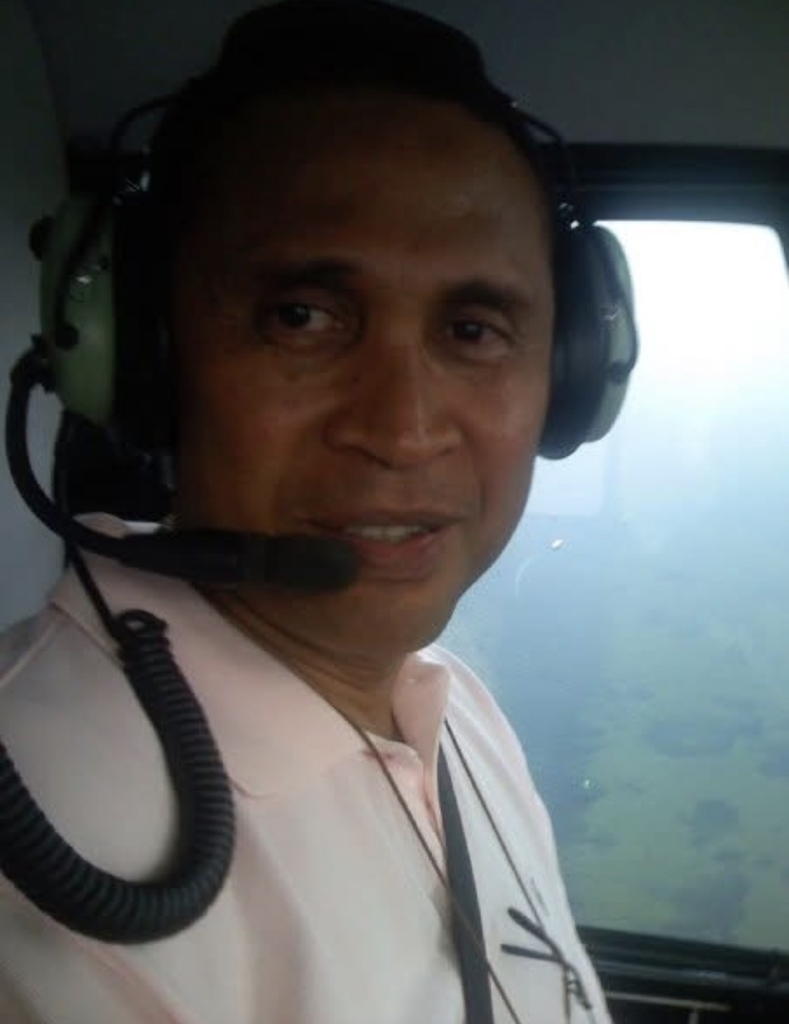
Captain Clive Goodall never planned to become a pilot. Growing up in Jamaica, his sights were set firmly on a career in law. He attended Jamaica College through fifth form before moving to Kingston College for sixth form and planned to take a gap year working at Air Jamaica before heading to university.
Instead, that temporary job changed the course of his life.
Goodall started out in customer service, earning $99.90 a month. Then he discovered that Air Jamaica pilots were earning around $899.
“That was my motivation,” he tells Jamaicans.com founder Xavier Murphy in the latest episode of Air Jamaica Chronicles.
There was another advantage. While becoming a lawyer would require several years of study, Goodall realised he could complete the flight training necessary to pursue a career with Air Jamaica in about a year.
Suddenly, the cockpit looked much more appealing.
From Customer Service to Captain
Goodall began his flying career with Air Jamaica as a second officer on the DC-8.
From there, he progressed to first officer on the DC-9 and later the Boeing 727, eventually becoming a captain on the 727. By the time he left Air Jamaica in 1994, he was a captain on the Airbus A300.
What began as a one-year stop before university had become a career spanning more than two decades.
But for Goodall, Air Jamaica was more than a place to work.
In its earlier years, he remembers an airline small enough that employees knew each other across departments and stations. That closeness created relationships that have survived long after the airline itself disappeared.
“It was like a family,” he recalls. Even today, he says, former employees meeting each other can feel like long-lost relatives reconnecting.
“That’s the greatest thing about Air Jamaica.”
Flying Was a Matter of National Pride
That sense of belonging extended into the cockpit.
For Goodall and his fellow pilots, flying the Jamaican flag carrier came with a responsibility to represent the country well.
He recalls Air Jamaica pilots taking particular pride in how smoothly they handled their aircraft, often manually flying for significant portions of a journey rather than relying entirely on autopilot.
“We had developed a smoothness from the handling that was second to none,” he says.
That included the landings for which many passengers still remember Air Jamaica.
For Goodall, it was not simply about technical ability. “It was a source of national pride.”
That reputation extended well beyond Jamaica.
Goodall says Air Jamaica produced pilots who later found opportunities with airlines across the Middle East, Far East and elsewhere around the world. After leaving Air Jamaica himself, his own aviation career would take him to Africa, Europe, the Middle East, China, Australia and other destinations.
“We were well received anywhere we went,” he says.
Why Air Jamaica Struggled to Make Money
Goodall’s memories of Air Jamaica are filled with affection, but he is also pragmatic about why the national airline eventually disappeared.
As a former president of the Air Jamaica Pilots Association, Goodall spent years negotiating pilot contracts with the Jamaican Government and had an unusually close view of the airline’s financial realities.
According to Goodall, Air Jamaica made money in only one year.
For those who believe the airline simply needed to be managed differently, he argues that the problem was more complicated.
A major weakness, he says, was aircraft utilisation.
Airlines incur enormous fixed costs whether an aircraft spends much of the day flying or sitting on the ground. Air Jamaica’s route structure, built largely around transporting visitors to and from Jamaica, meant its aircraft could spend significant periods parked between flights.
“The airplanes sometimes might fly six hours or eight hours for the day,” Goodall explains.
By comparison, he says, aircraft in other operations could remain in the air for considerably longer periods, generating revenue.
“Airlines are built to fly airplanes, not to sit on the ground.”
Goodall also pushes back against some of the explanations commonly offered for Air Jamaica’s financial difficulties, including criticism of staff travel.
“That has nothing to do with it,” he says. In his view, the more fundamental issue was “the intrinsic route structure” and the amount of time aircraft spent on the ground.
He also notes that Air Jamaica was hardly alone. National airlines around the world have struggled with the tension between serving a wider national purpose and operating as profitable commercial businesses.
Could Air Jamaica Make a Comeback?
For Jamaicans who still dream of seeing the Lovebird return to the skies, Goodall says any new Air Jamaica would have to operate very differently.
Simply restoring traditional routes between Jamaica and destinations such as Miami, New York and Toronto would not necessarily create a viable airline.
The aircraft would have to keep moving.
“They’d have to be flying constantly, flying through the night, through the day,” he says.
Goodall points to larger carriers whose aircraft arrive at one destination and quickly depart for another rather than remaining parked for hours.
A revived Jamaican airline would therefore need a broader network capable of keeping its fleet in use while attracting enough passengers to support those routes.
“Perhaps the Jamaican market couldn’t support another airline unless the airline is going other routes as well,” he says.
For Goodall, nostalgia alone cannot overcome the economics of aviation.
“It’s not as simple as most of the uninitiated would think.”
“A Piece of Jamaica That Flew”
Despite the financial realities, Goodall believes Air Jamaica left Jamaica with something that cannot be measured simply by profit and loss.
It trained generations of aviation professionals, built an international reputation for Jamaican pilots and created an experience that was unmistakably Jamaican.
He even remembers some of the airline’s more unusual touches, including fashion shows staged aboard its aircraft.
For young Jamaicans hoping to follow him into aviation today, however, the pathway is more difficult. Without a national airline providing the opportunities Air Jamaica once did, Goodall believes many aspiring Jamaican pilots will have to look overseas for training and employment.
Still, more than three decades after he flew his final Air Jamaica flight, his affection for the airline remains.
Asked what he hopes Jamaicans will remember when they see the famous Lovebird years from now, Goodall returns to what Air Jamaica ultimately represented.
After a decade without a new studio album, Grammy-nominated reggae artiste and actor Ky-Mani Marley has returned with Love & Energy, unveiling the project before fans, media, family and fellow artistes in Doral, Florida, on August 28.
Marley celebrated the release at Copper Blues in the CityPlace Doral entertainment complex, where he was joined by several members of the Marley family and figures from the reggae and entertainment communities.
Among those in attendance were his brother Julian “JuJu” Marley; his children Kastin Marley and Kymora Marley; veteran reggae singer Everton Blender and his daughter Chi Blender; roots reggae artiste Iba Mahr; producer and songwriter Maffio; Jamaican-American rapper and television personality Safaree Samuels; and Floyd Barrett, son of longtime Bob Marley & The Wailers bassist Aston “Family Man” Barrett.
Kymora and Ky-Mani MarleyKastin MarleyIba Mahr and Ky-Mani MarleyEverton Blender & Daughter Chi with Ky-Mani MarleyJulian Marley
A Return 10 Years in the Making
Love & Energy marks Ky-Mani’s first studio album in 10 years and brings together an extensive roster of Jamaican reggae talent.
The project features collaborations with Sizzla, Anthony B, Agent Sasco, Gyptian, Andrew Tosh, Iba Mahr, Lutan Fyah and Bugle.
Released through Konfrontation Muzik Group/Dubshot Records, the album also sees Marley taking on production duties on several tracks. Additional production comes from Phe, Anthony Smith and Dean Thomas, with musician and producer Llamar “Riff Raff” Brown contributing overdubs.
Among the songs featured on the album are New Creature, Miss Electric, All This Love, City Views, Love is Key, Breathe You In, Love TKO and Poor Man’s Cry.
Several tracks bring together notable reggae collaborations, including One Family featuring Bugle; When the World with Andrew Tosh and Anthony B; and War Inna Babylon with Sizzla, Anthony B and Agent Sasco.
Taking ‘Love & Energy’ on the Road
The album’s release follows a busy period on the road for Marley.
Ahead of its official release, he completed the European leg of his Love & Energy Tour, previewing material from the project for audiences across the continent. The tour included an appearance at the 39th staging of Summerjam, the annual reggae festival in Cologne, Germany.
On August 22, Marley also performed in Canada at the Marley family’s Kaya Fest, joining his brothers Stephen, Julian and Damian Marley on a line-up that included Busta Rhymes, Shabba Ranks and Lila Iké.
Ahead of the album, Marley released A Little Bit (I’m Okay), which he also performed live during the Doral launch.
Co-written by Marley alongside Imani Marley and Shaquel Leon, the single was produced by Marley, Anthony Smith and Llamar “Riff Raff” Brown.
For Marley, the song offers listeners a glimpse into the personal perspective behind his return to recording.
He describes it as “probably one of the most honest reflections of where I am today.”
After 10 years between solo studio projects, Love & Energy marks a new chapter for Marley, bringing together established reggae voices, family connections and new material as he returns to the international stage.
More Jamaicans in the diaspora are making their connection to the island official.
Applications for Jamaican citizenship have surged in the United States, driven in large part by people born overseas who are claiming citizenship by descent.
Figures from the Jamaican Embassy in Washington, DC, show that citizenship applications increased by 25 per cent in 2025, from 2,214 to 2,899. Of those, 2,273 were applications for citizenship by descent. The Consulate General in Miami also received 921 citizenship applications during the 2025-2026 period, up from 688 the previous year.
The growing demand was underscored in April when the Jamaican Embassy in Washington hosted its inaugural citizenship ceremony, recognising 27 people who had acquired or affirmed Jamaican citizenship.
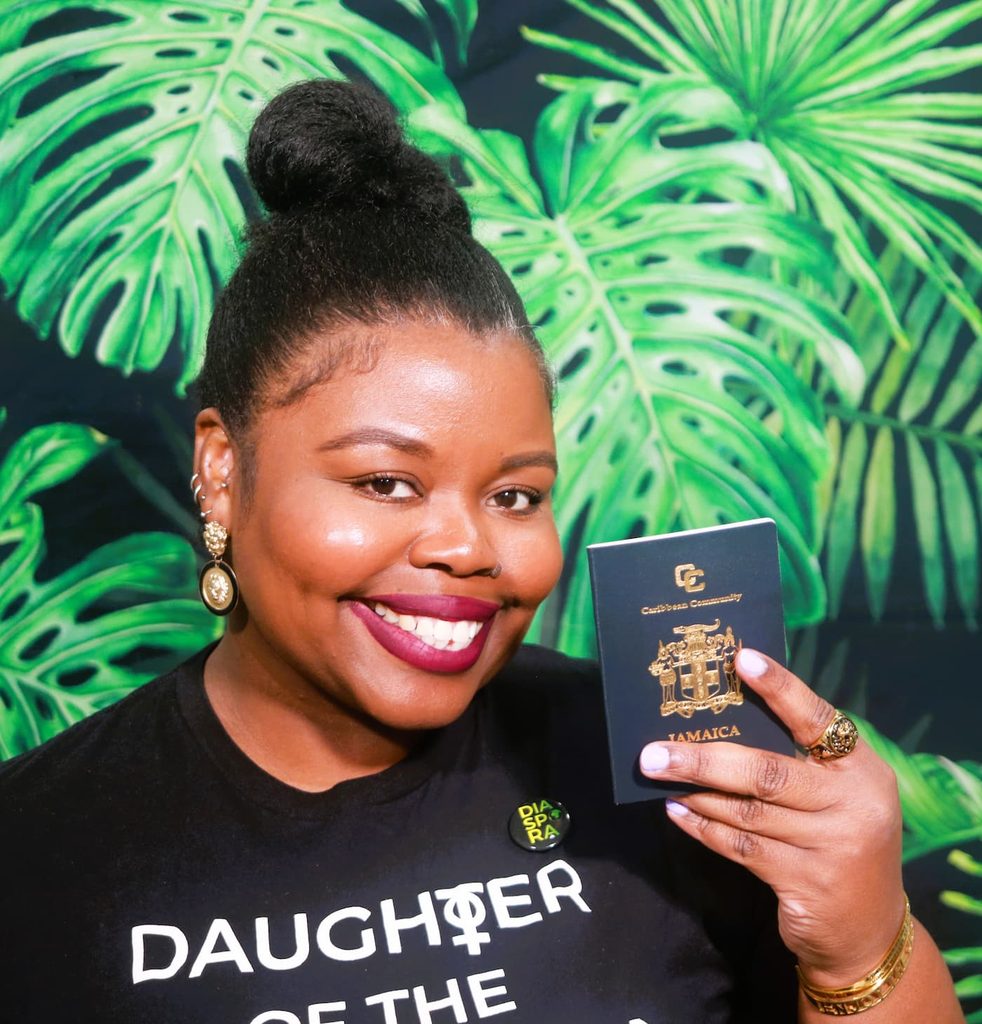
For Jamaican-American Ashley Moncrieffe, who has spent several years encouraging other members of the diaspora to claim citizenship by descent, the increase is not surprising.
Ashley Moncieffe better known as AshFimon holding her Jamaican Passport
Why more diasporans are claiming citizenship
Moncrieffe says she has seen the shift firsthand.
“I definitely have noticed more people not only inquiring about the process but also applying, and more people publicly sharing their experiences navigating it on social media,” she told Jamaicans.com. “I’ve also seen more third-generation Jamaicans having an interest, too.”
She believes two things in particular are driving the increased interest.
“I think it’s a combination of people seeking a deep sense of belonging to their heritage, as well as the current American political and immigration climate,” she said.
The growing interest among second- and third-generation Jamaicans is particularly significant. For many, the cultural connection to Jamaica already exists through their families, communities, food, music and regular travel to the island. Citizenship provides a way to formalise it.
“Tangible proof of what you’ve always known”
Moncrieffe understands that distinction personally.
She is the only member of her immediate family who was born outside Jamaica. In 2017, she decided to claim Jamaican citizenship by descent.
“I’m a second-generation Jamaican, so I’m the only one in my immediate family born abroad,” she explained when Jamaicans.com caught up with her at the 2026 Jamaica Diaspora Conference in Montego Bay. “Because of that dynamic, you know, I wanted to become a Jamaican citizen.”
She completed the process in Jamaica and said her citizenship certificate was ready the following week.
For Moncrieffe, citizenship did not suddenly make her Jamaican. Instead, it gave legal recognition to an identity she had always possessed.
“The legality and tangible proof of what you’ve always known,” she said. “You are a Jamaican born abroad. Now you have legitimate documents to prove your status and heritage to use for your advantage.”
According to the Passport, Immigration and Citizenship Agency (PICA), people born outside Jamaica may qualify for citizenship by descent where a parent was a Jamaican citizen by birth, descent or registration by virtue of marriage to a Jamaican at the time of their birth.
Applicants must provide documents establishing their identity and relationship to their Jamaican parent, including birth records and other supporting documents depending on their circumstances.
Ashley Moncrieffe and Michelle Williamson at the NIRA Booth at the 2026 Jamaica Diaspora Conference
Taking the connection beyond a passport
For Moncrieffe, citizenship and a Jamaican passport were only the beginning. She has since obtained her TRN and, when Jamaicans.com caught up with her at the NIRA booth during the recent Jamaica Diaspora Conference, she was collecting her new National Identification Card. There we also met Fort Lauderdale resident Michelle Williamson, who had just received the updated Jamaican birth certificate she needed to apply for a new passport.
In speaking with Nicole White, Marketing and Planning Manager at the National Identification and Registration Authority (NIRA), formerly the Registrar General’s Department, she told Jamaicans.com that there had been strong demand from diaspora attendees for birth certificates, National ID enrolment and genealogical research. White said the National ID can be particularly useful for diasporans who regularly visit or conduct transactions in Jamaica, making it easier to do business on the island.
But Moncrieffe believes deepening the connection should go beyond acquiring documents. She encourages new citizens to “truly seek out Jamaica in totality”, whether by learning more about the country, supporting Jamaican businesses and organisations, contributing their skills and resources, or getting involved in causes that matter to them.
“I believe if some of those steps were taken, they’ll ultimately find their tribe,” she said.
https://www.youtube.com/watch?v=buDbSYy–70
Where applicants run into trouble
According to PICA, applicants for citizenship by descent must submit:
The applicants birth certificate
Jamaican parent’s birth certificate(s) or citizenship certificate
Certified passport photographs
Valid identification
Supporting documents such as marriage certificates, guardianship papers or change-of-name documents where applicable.
On paper, the process is relatively straightforward. In practice, Moncrieffe says the biggest hurdle is getting the application to the point where it is compliant.
“The biggest barrier is the gathering of documents,” she said.
Many applicants have a Jamaican parent or grandparent who has died and don’t realise they can still request that person’s birth certificate. Others discover spelling errors or inconsistencies across family records that delay their applications. She also believes many people mistakenly assume citizenship by descent involves interviews, tests or swearing-in ceremonies, when “there is no test and no swearing-in.”
It was questions and challenges like these that led Moncrieffe to begin sharing her own citizenship experience online and, in 2021, establish her Jamaican Citizenship by Descent programme. Through a self-funded annual grant, she covers the application fee for a selected applicant and provides one-on-one guidance through the process. By the end of 2026, the programme will have directly assisted six people, while her how-to content has reached thousands more.
Moncrieffe also believes the process could be even smoother through better digital integration between PICA and NIRA, a more robust application tracking system and greater consular outreach to diaspora communities, making it easier for future generations to claim the citizenship they’re already entitled to.
“Through my years of active engagement with various diaspora groups, stakeholders, and my own programme, I consistently see that people have an emotional connection with Jamaica,” Moncrieffe said.
The surge in citizenship applications is therefore a positive development, but the greater opportunity lies in what comes next. As Jamaica works to strengthen its economy and create greater opportunities at home, the diaspora can contribute far more than serving as promoters of Brand Jamaica. Its skills, knowledge, networks and resources can play a meaningful role in the country’s development and help build a Jamaica where more people can prosper and those abroad can confidently return home.
“The truth is, if we do not nurture and sustain a positive, accessible connection for our people and future generations, ‘Brand Jamaica’ as we know it will suffer,” Moncrieffe said.
Ultimately, the opportunity is to turn that cultural pride into what Moncrieffe describes as “lifelong national involvement.”
Des spécialistes en sécurité publique expliquent que les gangs ont intensifié les kidnappings afin d’augmenter leur revenu. L’économie criminelle fonctionne à plein régime, note M. Réginald Delva estimant que les chefs de gangs ont maintenu leur mode opératoire dans la région métropolitaine de Port-au-Prince. Les gangs ont mis en place une logistique leur permettant de retenir leurs victimes dans des lieux de séquestration pendant plusieurs mois.
Les zones sous contrôle des gangs sont utilisées en priorité parce qu’étant inaccessibles aux forces de l’ordre. M. Delva signale que récemment les unités spécialisées de la Police étaient parvenues à libérer un otage se trouvant dans une zone accessible. Plusieurs quartiers de la capitale sont toujours sous contrôle des gangs. Les maisons inoccupées servent de lieu de séquestration. Au cours des derniers mois les gangs ont entrepris des stratégies audacieuses en séquestrant des victimes dans des maisons inoccupées ou même sur des terrains vides.
Récemment les forces de l’ordre ont appréhendé un criminel récidiviste qui se faisait passer pour un agent immobilier alors qu’il était impliqué dans la séquestration de victimes. Face à cette situation l’ex officier des FADH considère que la réouverture des routes et la récupération des territoires perdues doivent être des priorités. À son avis une vraie consolidation des espaces récupérées implique l’accès aux services sociaux de base dans ces zones. La présence policière ou militaire n’est que la première étape de la consolidation.
Vigilance citoyenne
L’ancien ministre de l’intérieur appelle à la vigilance autour du phénomène des maisons inoccupées. De nombreux citoyens ont fui le pays, à cause de la crise sécuritaire, et dans plusieurs cas leurs maisons sont utilisées comme lieu de séquestration. Les citoyens et les autorités locales doivent veiller au grain afin d’alerter les forces de l’ordre. Des gens n’ayant ni droit ni qualité ont parfois la charge de ces meubles.
De l’avis de M. Delva il faut en finir avec ces mécanismes informels afin de s’assurer de l’intégrité des professionnels impliqués dans la gestion des immeubles. Dans d’autres cas des gardiens sont des complices des gangs et utilisent la maison comme lieu de séquestration. De plus en plus de personnes vulnérables sont attirées par l’économie criminelle misant sur une certaine léthargie des forces de l’ordre. Ces gens sont tentées par des gains faciles, dit-il exhortant les citoyens, notamment les propriétaires résidant à l’étranger, à vérifier les antécédents de ces personnes auprès de la Police judiciaire.
Méfiance des victimes
Le spécialiste en sécurité publique croit que les statistiques communiquées sur le phénomène du kidnapping sont en deçà de la réalité. À son avis plusieurs parents refusent d’alerter les autorités policières redoutant que leur démarches soient connues des criminels. De plus il s’inquiète que de plus en plus de personnes ayant été séquestrées expriment un sentiment de peur même après leur libération. Dans le lieu de séquestration ces gens ont eu conscience du pouvoir réel des chefs de gangs. Ces victimes deviennent, malgré eux, des porte paroles des gangs et ne peuvent fournir des informations pouvant permettre la capture des malfrats. En outre M. Delva craint que des victimes n’aient divulgué des informations ayant favorisé d’autres enlèvements. Cette hypothèse permet d’expliquer des enlèvements en série dans des entreprises ou des institutions.
Today's forecast: • Temps chaud, sous un ciel un peu nuageux en fin d'après-midi et
en soirée ;
Valable jusqu'au 06 septembre 2026
Valable jusqu'au 06 septembre 2026
Situation synoptique dans la Caraïbe et sur l'Atlantique
Sans changements significatifs, le temps demeure sec ou moins
humide, avec des températures élevées sur Haïti. Quelques averses
isolées, éventuellement orageuses à la merci des effets locaux y
restent toutefois possibles sur certains départements en fin
d'après-midi et en soirée.
Prévision pour Haïti
• Temps chaud, avec un ciel un peu nuageux par endroits en fin
d'après-midi et en soirée ;
• Température maximale comprise entre 33 et 38 °C ;
• Température minimale comprise entre 20 et 24 °C ;
• Quelques pluies isolées, notamment sur la Grand 'Anse, le Sud,
le Sud-Est, l'Ouest, le Nord et le centre en fin d'après-midi
et en soirée.
Tendance pour les deux prochains jours :
Samedi et dimanche : Temps quasi similaire sur l'ensemble du pays.
Prévision pour Port-au-Prince et ses environs
• Temps chaud, sous un ciel un peu nuageux en fin d'après-midi et
en soirée ;
• Température max. prévue : 36 ˚C
• Température min. prévue : 22˚C ;
• Quelques pluies, possiblement orageuses, pourraient se produire
sur certains secteurs en fin d'après-midi et en soirée.
Today's forecast: • Temps chaud, sous un ciel temporairement nuageux en fin
d'après-midi et en soirée ;
Valable jusqu'au 6 septembre 2026
Valable jusqu'au 6 septembre 2026
Situation synoptique dans la Caraïbe et sur l'Atlantique
Le temps restera ensoleillé, avec des températures élevées sur
presque tout le territoire haïtien aujourd'hui. Néanmoins, les
effets du relief local et du cycle diurne pourraient favoriser le
développement de quelques averses isolées, éventuellement
orageuses, sur certains départements au cours de l'après-midi et de
la soirée.
Prévision pour Haïti
• Temps chaud, avec un ciel devenant passagèrement nuageux sur
certaines zones au cours de l'après-midi et de la soirée ;
• Température maximale comprise entre 33 et 37 °C ;
• Température minimale comprise entre 20 et 24 °C ;
• Quelques pluies isolées, pouvant être orageuses par endroits,
sont prévues à partir de l'après-midi entre la Grand'Anse et le
Sud, ainsi que dans le Sud-Est. Ces averses devraient s'étendre
de façon très dispersée à plusieurs secteurs de l'Ouest, du
Centre et de l'Artibonite en fin d'après-midi et en soirée.
Certains massifs situés entre le Nord et le Nord-Ouest
pourraient également recevoir quelques gouttes de pluie.
Tendance pour les deux prochains jours :
Samedi et dimanche : temps quasi similaire sur l'ensemble du pays.
Prévision pour Port-au-Prince et ses environs
• Temps chaud, sous un ciel temporairement nuageux en fin
d'après-midi et en soirée ;
• Température max. prévue : 37 ˚C
• Température min. prévue : 22˚C ;
• Quelques pluies, possiblement orageuses, pourraient se produire
sur certains secteurs en fin d'après-midi et en soirée.
Today's forecast: • Temps chaud, sous un ciel nuageux en fin d'après-midi et en
soirée ;
Valable jusqu'au 5 septembre 2026
Valable jusqu'au 5 septembre 2026
Situation synoptique dans la Caraïbe et sur l'Atlantique
La zone de forte convection en air chaud humidifie partiellement la
masse d'air sur Haïti. Combinée aux effets de la situation en
altitude et du relief local, cette configuration est susceptible de
favoriser le développement d'averses isolées, parfois orageuses et
localement soutenues, sur certains départements au cours de
l'après-midi et de la soirée.
Prévision pour Haïti
• Temps chaud, avec un ciel devenant progressivement nuageux au
cours de l'après-midi et de la soirée ;
• Température maximale comprise entre 33 et 37 °C ;
• Température minimale comprise entre 20 et 24 °C ;
• Quelques averses isolées, potentiellement soutenues et
orageuses par endroits, sont attendues au cours de l'après-midi
et de la soirée sur la Grand'Anse, les Nippes, le Sud-Est et
plusieurs zones du Sud, notamment celles limitrophes de la
Grand'Anse, ainsi que sur certains secteurs de l'Ouest, du
Centre, de l'Artibonite et du Nord-Est. Certains massifs
compris entre le Nord et le Nord-Ouest pourraient également
recevoir quelques gouttes de pluie.
Tendance pour les deux prochains jours :
Vendredi et samedi : les conditions météorologiques resteront
similaires sur l'ensemble du pays.
Prévision pour Port-au-Prince et ses environs
• Temps chaud, sous un ciel nuageux en fin d'après-midi et en
soirée ;
• Température max. mesurée : 37 ˚C
• Température min. prévue : 22˚C ;
• Quelques averses, éventuellement orageuses, pourraient se
produire sur certains secteurs en fin d'après-midi et en
soirée.
Today's forecast: • Temps chaud, sous un ciel temporairement nuageux en fin
d'après-midi et en soirée ;
Valable jusqu'au 5 septembre 2026
Valable jusqu'au 5 septembre 2026
Situation synoptique dans la Caraïbe et sur l'Atlantique
Une masse d'air à dominance anticyclonique favorise un temps
généralement ensoleillé et des températures élevées sur la
quasi-totalité d'Haïti. Toutefois, l'influence d'un courant d'air
en altitude, combinée aux effets de la zone de convection en air
chaud et au relief local, pourra favoriser le développement
d'averses isolées, parfois orageuses et localement soutenues, à
partir de l'après-midi dans plusieurs départements. Puis, certains
autres départements du pays pourront être concernés en fin
d'après-midi et en soirée.
Prévision pour Haïti
• Temps chaud, avec un ciel devenant progressivement nuageux sur
certaines régions au cours de l'après-midi et en soirée.
• Température maximale comprise entre 33 et 37 °C ;
• Température minimale comprise entre 20 et 24 °C ;
• Quelques averses isolées, potentiellement soutenues et
orageuses par endroits, sont prévues à partir de l'après-midi
sur la Grand'Anse, les Nippes, le Sud-Est et certaines zones du
Sud, particulièrement celles limitrophes de la Grand'Anse,
avant de gagner de façon dispersée, certains secteurs de
l'Ouest, du Centre, de l'Artibonite et du Nord-Est en fin
d'après-midi et en soirée. Certains massifs entre le Nord et le
Nord-Ouest pourraient être concernés par quelques gouttes de
pluie également.
Tendance pour les deux prochains jours :
Vendredi et samedi : les conditions météorologiques resteront
similaires sur l'ensemble du pays.
Prévision pour Port-au-Prince et ses environs
• Temps chaud, sous un ciel temporairement nuageux en fin
d'après-midi et en soirée ;
• Température max. prévue : 37 ˚C
• Température min. prévue : 22˚C ;
• Quelques averses, éventuellement orageuses, pourraient se
produire sur certains secteurs en fin de journée et en soirée.











 (@ashfimon)